
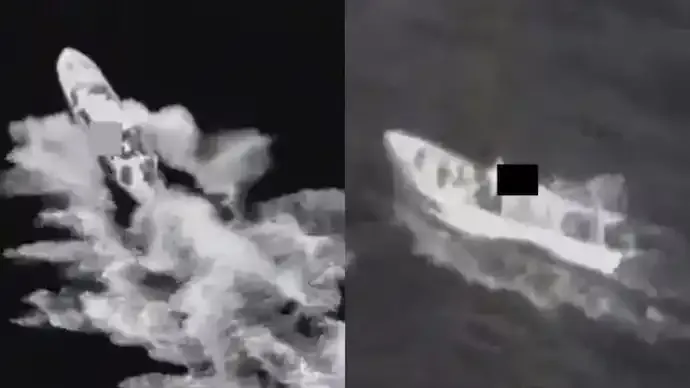
Five people were killed after the United States carried out a series of military strikes on vessels suspected of drug trafficking in the Pacific Ocean, as American authorities launched a search-and-rescue operation for possible survivors. The action forms part of Washington’s expanded maritime campaign targeting narcotics networks operating along key international trafficking routes.
According to US officials, the strikes were conducted by American forces against boats believed to be transporting illegal drugs. In an official statement, United States Southern Command said its forces targeted three vessels travelling together as a convoy in international waters. The operation was carried out late in December following intelligence assessments linking the boats to organised drug trafficking networks.
Southern Command stated that during the initial engagement, three individuals on the first vessel were killed. Following the strike, occupants of the remaining two boats reportedly abandoned their vessels, jumping into the sea before subsequent strikes sank both boats. Authorities later confirmed that additional strikes were conducted on two more vessels in a separate operation, resulting in a total of five fatalities.
The United States Coast Guard has since initiated an active search-and-rescue effort to locate individuals believed to have survived the strikes. Officials said intelligence reports indicate that as many as eight people may have jumped into the water during the engagements and could still be at sea.
To support the search, the Coast Guard has deployed aerial and maritime assets, including a C-130 aircraft, and is coordinating with vessels operating in the surrounding region. Authorities have not disclosed the precise location of the search but confirmed that efforts remain ongoing as weather and sea conditions permit.
This is not the first time survivors have been reported following US strikes on suspected drug-smuggling vessels. In previous operations, individuals were believed to have survived similar engagements and were later repatriated to their home countries. However, not all rescue attempts have been successful. In one case last year, a survivor reported to be in the water following a strike was never found despite a coordinated search effort.
The issue of potential survivors has increasingly drawn scrutiny, particularly after disclosures that US forces carried out follow-on strikes in past operations even after reports emerged that people may have survived the initial engagement. Such incidents have prompted questions from legal experts and human rights advocates regarding operational protocols and compliance with international humanitarian standards.
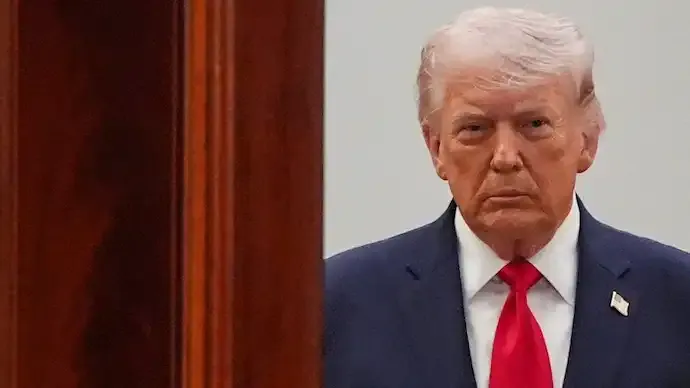
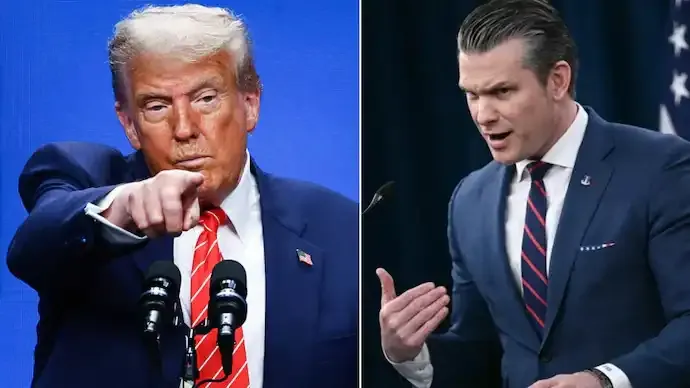
The latest strikes come amid an intensified anti-narcotics campaign under the administration of Donald Trump, which has significantly expanded the use of military force against suspected drug trafficking operations. Since September, US officials say more than 30 strikes have been carried out against suspected narcotics vessels in the Caribbean and Pacific regions, resulting in over 110 deaths.
US authorities argue that the maritime operations are aimed at dismantling major drug trafficking routes and reducing the flow of illegal narcotics into the United States. However, critics, including some lawmakers and legal scholars, have raised concerns over whether the strikes align with international law and domestic rules governing the use of military force.
The operations are also taking place against the backdrop of heightened US pressure on the government of Nicolás Maduro and a broader US military buildup in the region. Recently, the US confirmed that it had struck an area in Venezuela linked to drug-loading operations, though officials later clarified that the action was not conducted by the US military.
As rescue efforts continue and investigations into the latest strikes proceed, the incidents are expected to fuel further debate over the scope, legality, and humanitarian implications of the United States’ evolving anti-drug strategy at sea.

Conversation
Be kind and stay on topic. Comments are moderated; abuse, spam and personal attacks are removed. Report a problem