

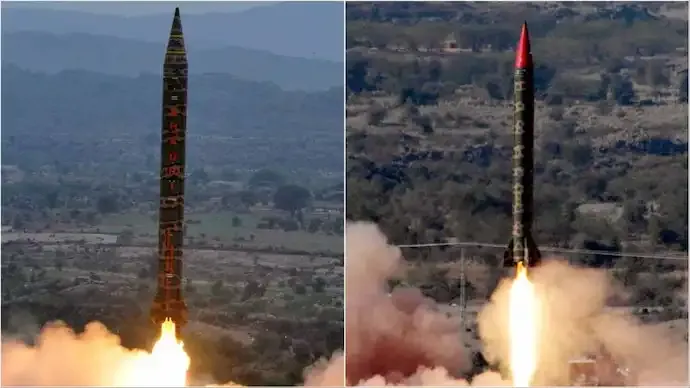

Pakistan has increasingly attempted to project itself as a rightful inheritor of the ancient Indus Valley Civilisation, highlighting its pre-Islamic cultural legacy through tourism campaigns, documentaries and official statements. However, this evolving narrative sits uneasily alongside another longstanding symbol of the country's identity—its military hardware.
Many of Pakistan's most prominent missiles and weapons continue to bear the names of Turkic, Afghan and Arab rulers remembered for invading and conquering the Indian subcontinent, raising questions about the consistency of Islamabad's historical messaging.
Key Highlights
- Pakistan has stepped up efforts to highlight its pre-Islamic civilisational roots.
- Several of its major missiles are named after medieval foreign conquerors.
- The military continues to rely on Islamic historical symbolism.
- The contrast has sparked debate over Pakistan's evolving national identity.
- Experts say military traditions are unlikely to change despite the new narrative.
Pakistan's New Focus on the Indus Valley Civilisation
In recent years, Pakistan has sought greater international attention for sites linked to the Indus Valley Civilisation, portraying itself as a cradle of one of the world's oldest urban cultures.

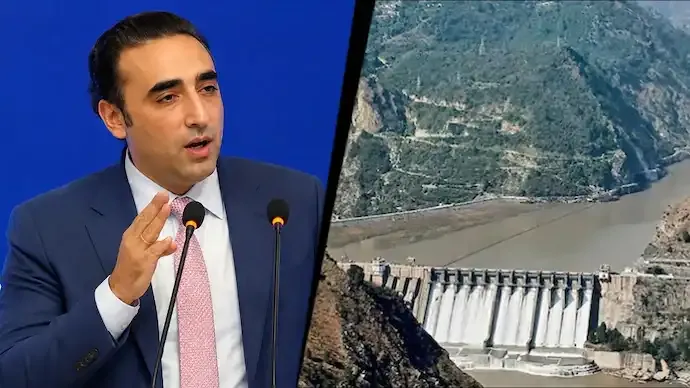
The renewed emphasis gained momentum after the suspension of the Indus Waters Treaty in 2025, with Islamabad increasingly projecting the Indus civilisation as a central pillar of its historical identity.
Senior political leaders have also spoken about Pakistan's Buddhist, Hindu and ancient cultural heritage as part of the country's broader civilisational legacy.
The Missile Naming Contradiction
Despite this renewed focus on ancient history, Pakistan's strategic weapons largely honour rulers associated with Islamic conquests of the Indian subcontinent.
Some of the country's best-known missile systems include:
- Hatf-II Abdali – Named after Ahmad Shah Durrani (Ahmad Shah Abdali).
- Hatf-III Ghaznavi – Named after Mahmud of Ghazni.
- Hatf-V Ghauri – Named after Muhammad Ghori.
- Hatf-VII Babur – Named after Mughal founder Babur.
- Taimoor Cruise Missile – Named after Timur (Tamerlane).
These rulers originated from regions outside the Indian subcontinent and are historically associated with military invasions and campaigns across South Asia.
Military Tradition Rooted in Islamic History
Pakistan's naming conventions extend beyond ballistic missiles.
Several defence platforms derive their names from Islamic history and Arabic terminology.
Examples include:
- Al-Khalid main battle tank
- Al-Zarrar tank
- Ra'ad cruise missile
- Anza air defence missile
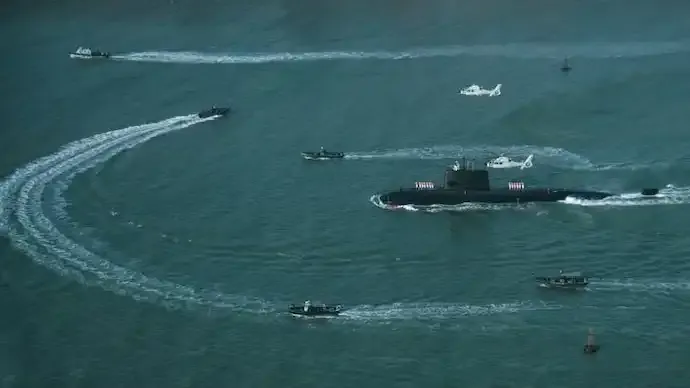
- Zulfiqar naval frigate
Military operations have also historically drawn inspiration from Islamic history, reflecting the armed forces' long-established institutional traditions.
Political Leaders Acknowledge Ancient Heritage
Pakistan's Defence Minister Khawaja Asif has previously argued that Pakistan's history predates the arrival of Islam in the region.
He publicly referred to historical figures including:
- Emperor Ashoka
- Chandragupta Maurya
- Kanishka
Asif also stated that he takes pride in the region's Buddhist and Jain heritage, describing them as part of Pakistan's historical identity.
Interestingly, he has also criticised Mahmud of Ghazni, saying the ruler invaded India primarily for wealth rather than religious ideals.
Why the Military Is Unlikely to Change
Despite political statements embracing ancient civilisations, Pakistan's military establishment continues to emphasise Islamic symbolism.
Military naming traditions remain under the control of the armed forces rather than elected governments.
Analysts believe there is little indication that Pakistan's missile names or military terminology will change in the near future, even as civilian leaders increasingly reference the country's pre-Islamic past.
Why the Debate Matters
The discussion goes beyond weapon names.
It reflects a broader debate over how Pakistan defines its national identity:
- Ancient South Asian civilisations.
- Islamic conquests.
- Post-independence nationalism.
- Modern geopolitical positioning.
As Islamabad seeks to present itself as an inheritor of the Indus Valley Civilisation while retaining military symbols rooted in medieval Islamic history, questions over historical consistency are likely to remain part of the conversation.
FAQs
Why are Pakistan's missiles named after historical rulers?
Many Pakistani missile systems are named after rulers from Islamic history, particularly those associated with military conquests, reflecting the country's longstanding military traditions.
Which Pakistani missiles are named after conquerors?
Major examples include the Ghauri, Ghaznavi, Abdali, Babur and Taimoor missile systems.
Why is Pakistan promoting the Indus Valley Civilisation?
Pakistan has increasingly highlighted the Indus Valley Civilisation to showcase its ancient cultural heritage and strengthen its historical narrative on the global stage.
Has Pakistan proposed renaming its missiles?
There has been no official proposal to rename Pakistan's missile systems despite discussions around embracing the country's pre-Islamic heritage.
Why is this issue significant?
The debate highlights differing narratives about Pakistan's national identity, balancing its ancient civilisational roots with decades of military symbolism based on Islamic history.
Conclusion
Pakistan's renewed emphasis on the Indus Valley Civilisation represents a notable shift in how it presents its historical identity. However, its military continues to celebrate Islamic-era rulers through the names of many of its strategic weapons. Whether these two narratives can coexist remains a subject of political and historical debate, with no indication that Pakistan's armed forces intend to alter their long-established traditions.






Conversation
Be kind and stay on topic. Comments are moderated; abuse, spam and personal attacks are removed. Report a problem