


Pakistan has announced a major reduction in petrol prices, cutting rates by Rs 80 per litre in a move aimed at easing public anger after a steep increase triggered widespread protests. The revised price brings petrol down to approximately Rs 378 per litre, offering temporary relief to citizens facing rising living costs.
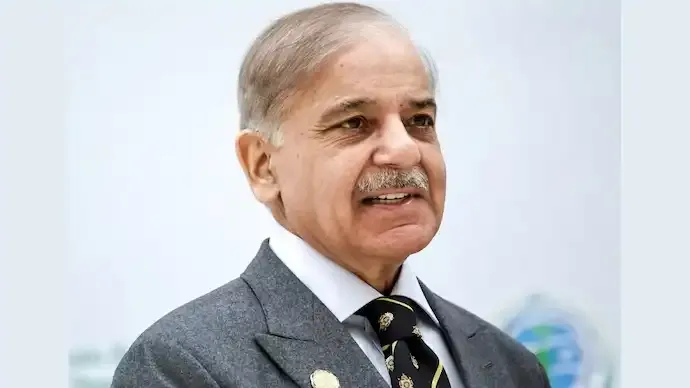
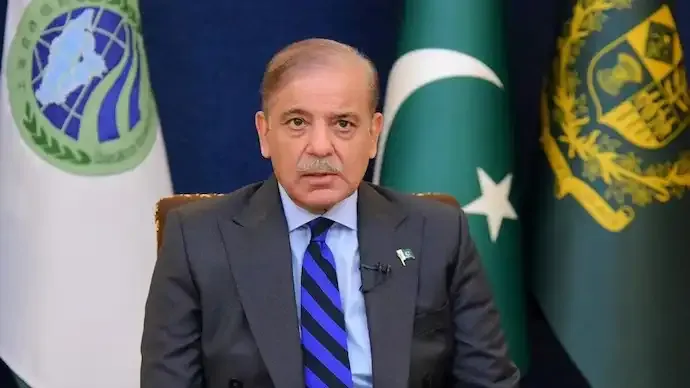
The decision was confirmed by Prime Minister Shehbaz Sharif, who stated that the government would absorb the financial impact through adjustments in the petroleum levy.
Rollback Follows Sharp Fuel Price Hike
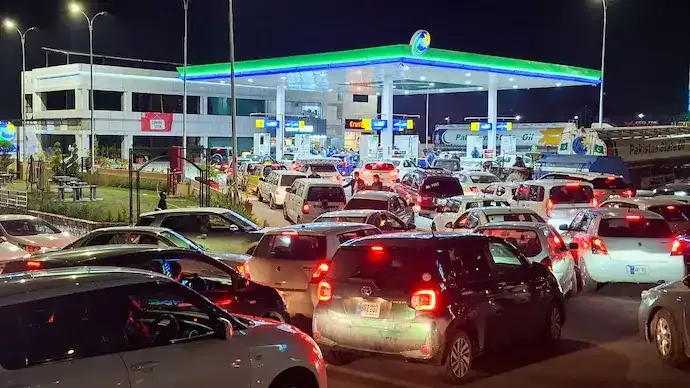
The price cut comes just a day after the government implemented a significant hike in fuel prices. Petrol prices had surged by 42.7%, reaching around Rs 458.40 per litre, while diesel prices saw an even sharper increase of 54.9%, climbing to Rs 520.35 per litre.

These increases were attributed to rising global oil prices, influenced by ongoing geopolitical tensions in the Middle East. The sudden spike in fuel costs had placed immense pressure on households and businesses across the country.
Protests Force Quick Government Action
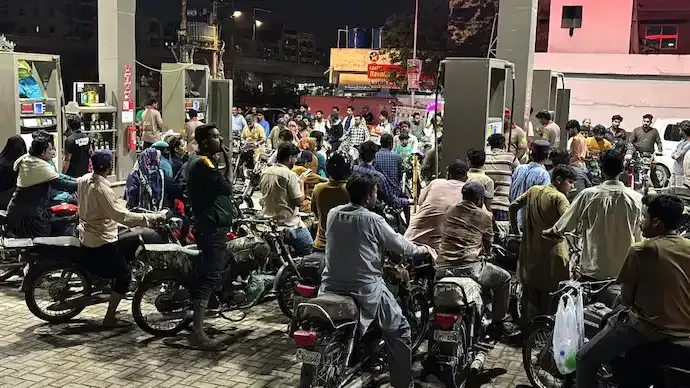
The steep hike in fuel prices triggered protests in multiple regions, with citizens expressing frustration over the rising cost of living. Demonstrators raised concerns about inflation, transportation costs, and the overall economic burden.
In response to mounting public pressure, the government acted swiftly to roll back petrol prices. The Rs 80 reduction is seen as an attempt to restore public confidence and maintain social stability.
Government to Absorb Financial Impact
To implement the price cut, the government has decided to adjust the petroleum levy, effectively absorbing the cost instead of passing it on to consumers. While this provides immediate relief, it may impact government revenues and fiscal planning.
Experts note that such measures can offer short-term solutions but may not address underlying economic challenges, especially in a country already dealing with financial constraints.
Global Oil Prices Continue to Influence Domestic Rates
Pakistan’s fuel pricing remains closely tied to global oil markets. The recent volatility is largely driven by tensions in the Middle East, which have disrupted supply expectations and increased international crude prices.
As a net oil-importing country, Pakistan is particularly vulnerable to such fluctuations, making it difficult to maintain stable fuel prices without government intervention.
Balancing Public Relief and Economic Stability
The government now faces the challenge of balancing public expectations with economic realities. While the price cut may reduce immediate pressure on citizens, maintaining long-term stability will require careful financial management and policy adjustments.
Analysts suggest that structural reforms and diversification of energy sources could help reduce dependence on global oil markets in the future.





Conversation
Be kind and stay on topic. Comments are moderated; abuse, spam and personal attacks are removed. Report a problem