

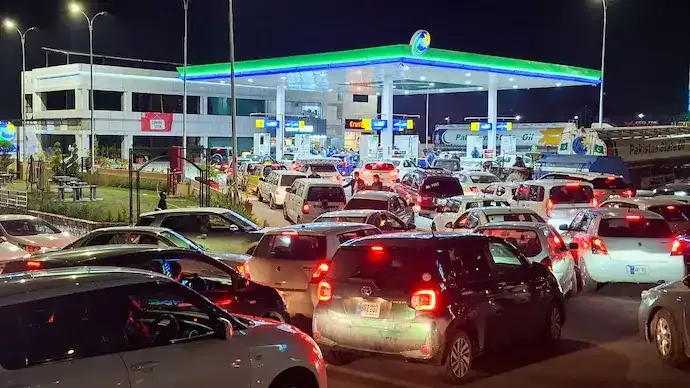

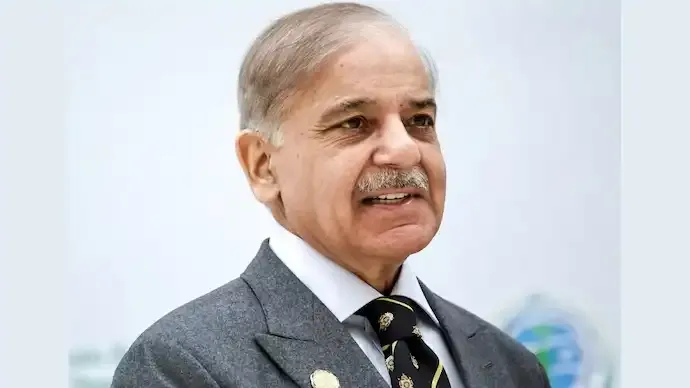
Pakistan has announced free public transport services in key regions following a sharp increase in fuel prices that has triggered public unrest. Authorities confirmed that state-run transport in Punjab province and the capital, Islamabad, will be free for one month starting April 4.
The decision comes as the government faces growing pressure from citizens over rising living costs, particularly fuel prices, which have seen a steep increase in recent weeks.
Sharp Rise in Petrol and Diesel Prices
The move follows a significant hike in fuel prices, marking the second increase within a month. Diesel prices have surged by 54.9%, reaching 520.35 Pakistani rupees per litre, while petrol prices have increased by 42.7% to 458.40 Pakistani rupees per litre.

These revised rates are now in effect, placing additional financial strain on households and businesses. The rise in fuel costs is expected to impact transportation, goods pricing, and overall inflation.
Public Protests and Growing Economic Pressure
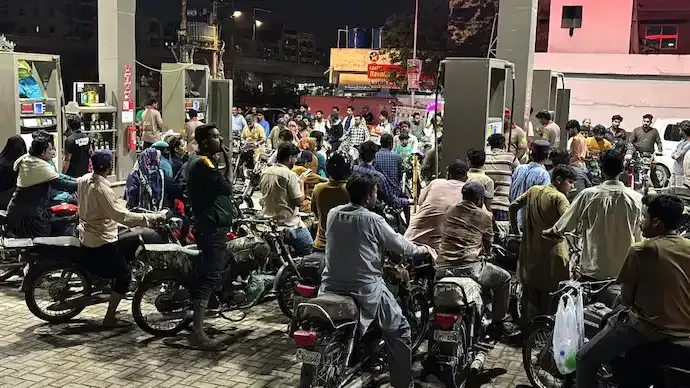
The steep increase in fuel prices has led to protests in various parts of the country, with citizens expressing concern over the rising cost of living. Demonstrations have highlighted the challenges faced by daily commuters and low-income groups, who are most affected by such price hikes.
The government’s decision to provide free public transport is seen as a temporary relief measure aimed at easing public frustration and ensuring mobility for citizens during this period.
Impact on Economy and Daily Life
Fuel prices play a crucial role in shaping a country’s economic conditions. In Pakistan, the recent hike is likely to have a ripple effect across multiple sectors, including transportation, agriculture, and manufacturing.
Higher fuel costs can lead to increased prices of essential goods and services, further intensifying inflationary pressures. Businesses may also face higher operational costs, which could slow down economic activity.
Global Factors Behind Fuel Price Surge
The increase in fuel prices is partly linked to global developments, including rising tensions in the Middle East. Fluctuations in international oil markets often have a direct impact on domestic fuel pricing, especially in countries that rely heavily on imports.
The ongoing geopolitical situation has contributed to volatility in oil prices, affecting economies worldwide.
Government’s Balancing Act
While the introduction of free public transport offers short-term relief, experts note that long-term solutions will require broader economic measures. Managing inflation, ensuring energy security, and stabilizing prices remain key challenges for policymakers.
The situation continues to evolve as the government seeks to balance public welfare with economic realities in a challenging global environment.





Conversation
Be kind and stay on topic. Comments are moderated; abuse, spam and personal attacks are removed. Report a problem