


A disturbing investigation has uncovered alarming healthcare failures in Pakistan, where unsafe medical practices at a government hospital may have contributed to a major HIV outbreak among children.
The findings focus on a facility in Taunsa, located in Punjab province, where multiple cases of infection have raised serious questions about hygiene standards and patient safety. Evidence suggests that basic medical protocols were not followed, putting vulnerable patients at risk.
Unsafe Injection Practices Under Scrutiny
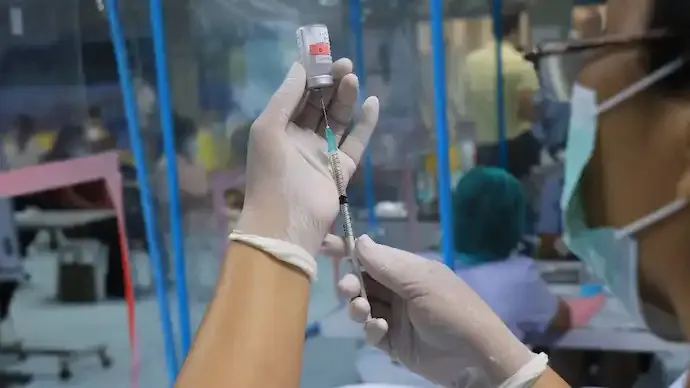
The investigation highlights repeated use of contaminated syringes at the Tehsil Headquarters Hospital Taunsa. Footage reportedly shows healthcare workers reusing needles, a practice that significantly increases the risk of transmitting infections like HIV.

Such lapses in basic medical hygiene are considered a major breach of safety standards and can have devastating consequences, especially for children receiving routine treatment.
Children Among the Worst Affected
Several children are believed to have been exposed to HIV due to these unsafe practices. Families have alleged that infections occurred during regular medical visits, where contaminated injections may have been administered.
One reported case involved an eight-year-old child who developed severe symptoms after testing positive for HIV. Soon after, another family member was also diagnosed, raising concerns about multiple exposures within the same facility.
These incidents highlight the human cost of negligence and the urgent need for accountability in public healthcare systems.
Authorities Accused of Delayed Action
The investigation also suggests that unsafe practices continued even after authorities were alerted to the issue. Despite earlier assurances of corrective measures, violations of safety protocols were reportedly still taking place months later.
This has intensified criticism of oversight mechanisms and raised questions about enforcement of healthcare regulations.
Public Health Risks and Wider Impact
The outbreak underscores the broader risks posed by inadequate medical practices. Reuse of syringes not only spreads HIV but can also transmit other serious infections such as hepatitis.
Key concerns include:
- Lack of strict monitoring in healthcare facilities
- Insufficient training of medical staff
- Weak implementation of safety guidelines
Such issues can undermine public trust in healthcare systems and create long-term health challenges.
Need for Urgent Reforms
The situation highlights the need for immediate reforms in healthcare practices, including stricter supervision, better training, and accountability measures.
Ensuring the use of sterile equipment and adherence to medical protocols is critical to preventing similar outbreaks in the future.





Conversation
Be kind and stay on topic. Comments are moderated; abuse, spam and personal attacks are removed. Report a problem