
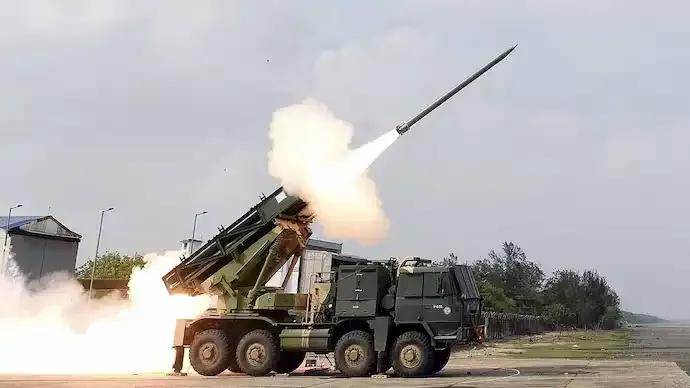
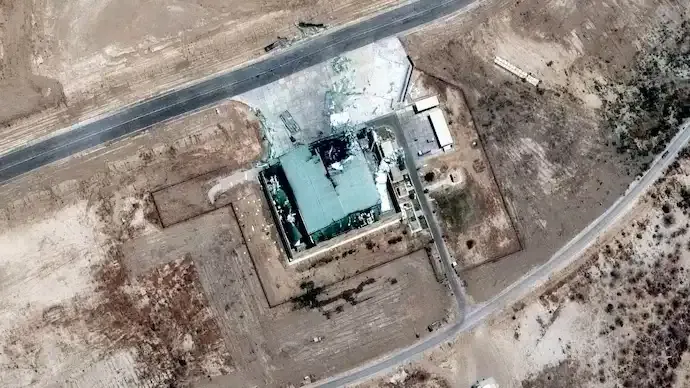
More than seven months after Operation Sindoor, Pakistan continues to grapple with the aftermath of India’s deep strikes on its military infrastructure. Satellite imagery and intelligence assessments indicate that several key Pakistani airbases hit during the operation remain under repair, with full operational readiness still some distance away.
Operation Sindoor marked one of the most intense escalations between India and Pakistan in recent decades, during which India struck 11 strategic Pakistani airbases using drones and precision munitions. While Islamabad initially downplayed the impact, recent official admissions and visual evidence suggest sustained damage across multiple facilities.
In a rare public acknowledgement, Pakistan’s leadership recently confirmed that Indian drones struck critical installations, including the strategically vital Nur Khan airbase near Rawalpindi, injuring personnel and damaging infrastructure. The admission signalled a shift from earlier denials as satellite data and international scrutiny made the extent of damage increasingly difficult to refute.
Current status of key Pakistani airbases
Nur Khan (Rawalpindi):
Repairs are ongoing at one of Pakistan’s most sensitive airbases, located close to military headquarters. Satellite imagery shows new construction activity, indicating attempts to restore damaged warehouses, fuel facilities and runway-adjacent structures.
Bholari airbase:
Imagery suggests provisional repairs, with damaged hangars now covered by tarpaulin. The base, among Pakistan’s newer facilities, suffered degradation to aircraft shelters and operational assets.
Murid airbase:
The drone-focused base near the Indian border remains in a degraded state. Command-and-control buildings continue to be covered, signalling prolonged repair work following the destruction of forward-operating infrastructure.
Mushaf airbase (Sargodha):
While runway craters caused by the strikes appear to have been repaired, broader command-and-control capabilities remain limited, affecting operational tempo.
Jacobabad airbase:
Home to advanced fighter fleets, including JF-17s and F-16s, the base is still restoring damaged hangars and air defence systems. Radar and support infrastructure remain partially offline.
Rafiqui airbase:
Structural damage to hangars and runways continues to restrict full-scale flight operations.
Sukkur airbase:
Satellite data indicates the base remains largely non-functional due to extensive fire and blast damage, including destruction of UAV-related facilities.
Chunian airbase:
Fuel depots and technical facilities were severely damaged, placing the base in a prolonged recovery phase.
Pasrur airfield:
Surveillance capability has been effectively neutralised following the destruction of radar installations.
Sialkot airbase:
Support infrastructure for combat aircraft remains crippled, limiting sortie generation.
Skardu airbase:
High-altitude operational readiness has been compromised due to damage to fuel reserves and essential equipment.
Strategic implications for 2026
With several airbases still under repair, Pakistan is expected to spend much of 2026 restoring military infrastructure rather than expanding operational capacity. While some international assessments have speculated about renewed conflict in the region, the current condition of Pakistan’s air force bases suggests that recovery and consolidation will dominate Islamabad’s immediate military priorities.
The prolonged repair cycle also underscores the strategic impact of Operation Sindoor, which reshaped the military balance by targeting depth assets rather than frontline positions.





Conversation
Be kind and stay on topic. Comments are moderated; abuse, spam and personal attacks are removed. Report a problem