

As global leaders grapple with the unpredictability of US President Donald Trump in his second term, one pattern has become increasingly clear: proximity, praise, and even formal trade agreements offer no protection from his coercive diplomacy. Europe learned this lesson the hard way. India, under Narendra Modi, read the situation months in advance—and quietly avoided falling into what many now describe as the “Trump trap.”
Recent weeks have exposed the fragility of alliances in Trump’s worldview. French President Emmanuel Macron and NATO chief Mark Rutte were blindsided when Trump publicly shared private communications amid tensions over Greenland. UK Prime Minister Keir Starmer, despite projecting personal camaraderie with Trump, was publicly berated over the Chagos Islands deal. The message was unmistakable: loyalty does not guarantee restraint.
Europe’s shock came despite signed trade agreements and repeated diplomatic outreach. Trump’s imposition of tariffs on close European partners reinforced a hard truth—trade deals are transactional, reversible, and subordinate to his immediate political or personal objectives. When Trump wants leverage, even allies become targets.
India’s approach stood in sharp contrast.
Non-confrontation over confrontation
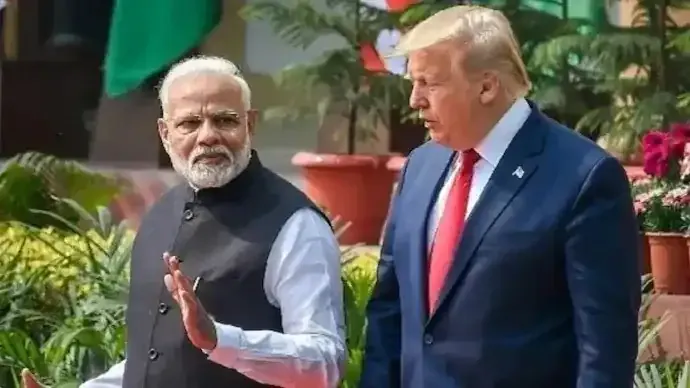
New Delhi recognised early that under Trump 2.0, tariffs are not merely economic instruments but geopolitical weapons. Despite facing steep tariffs—reportedly as high as 50%—India resisted pressure to rush into a lopsided trade agreement. This restraint became evident after Trump claimed credit for de-escalating tensions between India and Pakistan using tariff threats, a narrative New Delhi firmly but calmly rejected.
While Pakistan publicly welcomed Trump’s “mediation,” India countered with quiet clarity, asserting that the ceasefire was achieved through direct bilateral channels. Crucially, India avoided public sparring. Even during a tense phone call in June 2025, PM Modi reportedly refused to entertain exaggerated claims or flatter Trump with peace prize talk.
The fallout was swift. Trump imposed additional tariffs on India, including penalties linked to Russian oil purchases. Yet New Delhi did not retaliate with rhetoric. Instead, it chose patience.
Patience, not haste
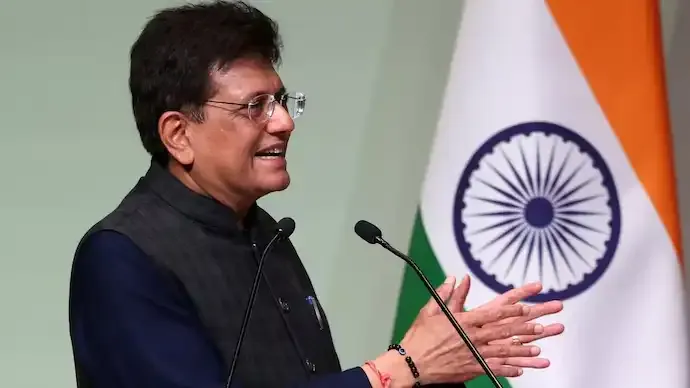
India neither halted Russian oil imports nor yielded on sensitive sectors like agriculture and dairy. Ministers such as S Jaishankar and Piyush Goyal quietly kept diplomatic and trade channels open, even as US officials made sharp remarks. Publicly, Modi maintained composure; privately, India diversified options.
Strategic signalling mattered. Modi’s engagement with China at the Shanghai Cooperation Organisation summit and visible warmth with Russia’s Vladimir Putin underscored that India had alternatives. Simultaneously, New Delhi accelerated trade deals with the UK, New Zealand, and Oman, while progressing talks with the European Union.
Controlling the narrative
India also learned to manage Trump’s communication style. After avoiding several calls where a partial trade deal was being pushed, Modi ensured that when a conversation finally occurred—on his birthday—India’s account reached the public first. This pre-empted misrepresentation, a tactic other leaders failed to anticipate.
Geopolitical expert Fareed Zakaria later endorsed India’s approach, calling patience and strategic management the most effective way to deal with Trump’s volatility.
As Europe scrambles to adapt, India’s strategy of restraint, resolve, and diversification stands validated. Trump remains transactional, impulsive, and uninterested in sentiment. India understood that early. Others are only beginning to catch up.



Conversation
Be kind and stay on topic. Comments are moderated; abuse, spam and personal attacks are removed. Report a problem