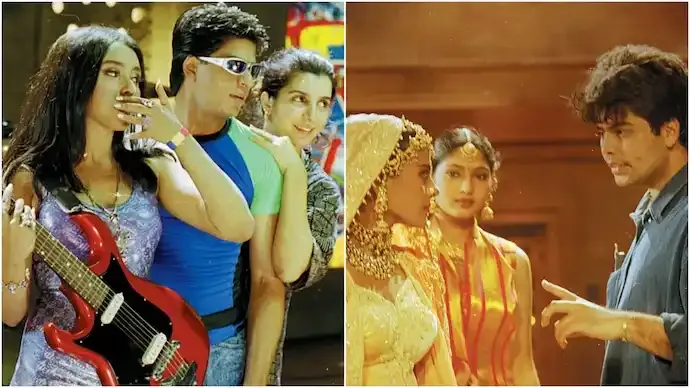
As Rani Mukerji completes three decades in Hindi cinema, the actor has looked back on a journey shaped not by strategy or long-term planning, but by instinct, emotional honesty and an enduring love for storytelling. Marking the milestone with a heartfelt note shared through Yash Raj Films’ official platforms, Mukerji described her career as one that unfolded organically, driven more by courage than calculation.
Calling the moment “unreal,” the actor reflected on how time seemed to pass effortlessly because she never viewed acting as a destination. She wrote that she did not enter the industry with a roadmap or ambition-driven goals. Instead, cinema found her unexpectedly, and she allowed herself to grow within it, guided by curiosity and vulnerability that she says she still carries into every role today.
Mukerji made her debut in Raja Ki Aayegi Baaraat in 1997, a film that left a lasting impression on her understanding of cinema as responsibility rather than spectacle. Playing a woman fighting for dignity at the very start of her career shaped her inclination towards characters who question injustice and resist social constraints. She noted that the experience defined the kind of stories she would repeatedly return to over the years.
Reflecting on the late 1990s, Mukerji described the period as emotionally formative. Those early films, she said, taught her how deeply Hindi cinema is woven into people’s lives. Audiences, she wrote, play a decisive role in shaping an actor’s destiny, and their acceptance helped her discover her own voice within the industry.
The early 2000s marked a creative turning point. Films such as Saathiya allowed her to portray flawed, impulsive and emotionally layered women, while Hum Tum helped her explore humour and vulnerability with ease. One of the most demanding chapters of her career came with Black, where working alongside Amitabh Bachchan pushed her into unexplored emotional terrain and taught her the power of silence as performance.
Across later films including Bunty Aur Babli, No One Killed Jessica and the Mardaani franchise, Mukerji acknowledged a consistent pull towards characters rooted in resilience and resistance. She described Shivani Shivaji Roy from Mardaani as a symbol of quiet strength rather than loud heroism — a character who confronts uncomfortable truths while staying grounded in humanity.
Marriage and motherhood, Mukerji wrote, did not slow her career but sharpened her focus. Becoming more selective with projects helped her align her work with the legacy she wished to build. Hichki deepened her understanding of vulnerability and reinforced her belief in the importance of empathy and representation on screen.
More recently, Mrs. Chatterjee vs Norway reaffirmed her faith in emotional truth transcending language and borders, earning her a National Award at a stage of life where personal and professional experiences had converged meaningfully.
Looking ahead, Mukerji said it feels especially significant to mark her 30th year in cinema with Mardaani 3. Calling it a sign from the universe, she noted that the franchise allows her to salute both contemporary womanhood and the resilience of Indian women police officers.
Ending her reflection with gratitude, Mukerji thanked collaborators and audiences alike, adding that even after three decades, she continues to feel like a student of cinema — ready to work harder, explore deeper emotions and begin a new chapter.
Mardaani 3 is scheduled to release on January 30.