Shopping cart
Your cart empty!


Your cart empty!
Terms of use dolor sit amet consectetur, adipisicing elit. Recusandae provident ullam aperiam quo ad non corrupti sit vel quam repellat ipsa quod sed, repellendus adipisci, ducimus ea modi odio assumenda.
Lorem ipsum dolor sit amet consectetur adipisicing elit. Sequi, cum esse possimus officiis amet ea voluptatibus libero! Dolorum assumenda esse, deserunt ipsum ad iusto! Praesentium error nobis tenetur at, quis nostrum facere excepturi architecto totam.
Lorem ipsum dolor sit amet consectetur adipisicing elit. Inventore, soluta alias eaque modi ipsum sint iusto fugiat vero velit rerum.
Sequi, cum esse possimus officiis amet ea voluptatibus libero! Dolorum assumenda esse, deserunt ipsum ad iusto! Praesentium error nobis tenetur at, quis nostrum facere excepturi architecto totam.
Lorem ipsum dolor sit amet consectetur adipisicing elit. Inventore, soluta alias eaque modi ipsum sint iusto fugiat vero velit rerum.
Dolor sit amet consectetur adipisicing elit. Sequi, cum esse possimus officiis amet ea voluptatibus libero! Dolorum assumenda esse, deserunt ipsum ad iusto! Praesentium error nobis tenetur at, quis nostrum facere excepturi architecto totam.
Lorem ipsum dolor sit amet consectetur adipisicing elit. Inventore, soluta alias eaque modi ipsum sint iusto fugiat vero velit rerum.
Sit amet consectetur adipisicing elit. Sequi, cum esse possimus officiis amet ea voluptatibus libero! Dolorum assumenda esse, deserunt ipsum ad iusto! Praesentium error nobis tenetur at, quis nostrum facere excepturi architecto totam.
Lorem ipsum dolor sit amet consectetur adipisicing elit. Inventore, soluta alias eaque modi ipsum sint iusto fugiat vero velit rerum.
Do you agree to our terms? Sign up
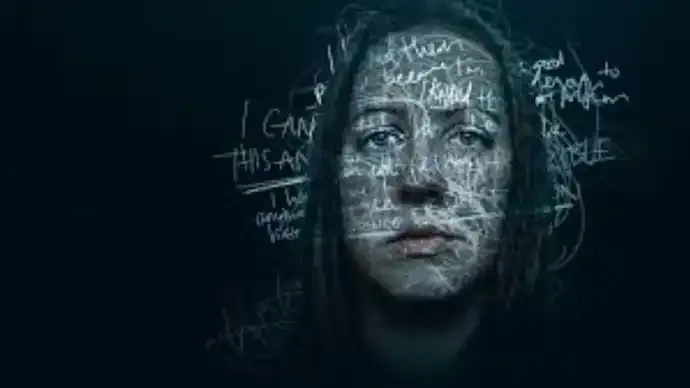
The Investigation of Lucy Letby arrives on Netflix with a restrained approach that sets it apart from conventional true-crime storytelling. Rather than relying on sensational twists or dramatic recreations, the documentary reconstructs the case of neonatal nurse Lucy Letby through careful detail, clinical pacing and a narrative that grows more unsettling with time.
Running for just over 90 minutes, the film revisits one of the most disturbing criminal cases in modern British history. Instead of promising shocking revelations, it focuses on the slow development of suspicion, the assembly of evidence and the institutional processes that ultimately led to Letby’s conviction. This measured style gives the documentary an unsettling calm, allowing viewers to absorb the gravity of events without overt emotional manipulation.
The documentary leans heavily into procedural storytelling. Police interviews, medical records, neonatal ward shift patterns and courtroom discussions form the backbone of the narrative. Rather than presenting a single dramatic moment, the film builds tension through repetition and patterns that gradually become difficult to ignore.
Unseen footage from Letby’s arrest adds another layer of discomfort. The scenes, captured inside her family home, are presented without dramatic commentary, forcing audiences to confront the reality of the situation directly. While this approach enhances authenticity, it also raises ethical questions about the line between documentation and intrusion — a tension the documentary intentionally leaves unresolved.
For much of its runtime, the documentary outlines the prosecution’s case, including handwritten notes interpreted as admissions of guilt and the correlation between Letby’s presence on shifts and unexplained medical incidents. The narrative initially feels structured and almost clinical in its certainty.
Midway through, however, the film introduces alternative viewpoints. Defence arguments question the absence of direct physical evidence, while expert voices challenge whether medical conclusions can be interpreted definitively. The documentary does not seek to overturn the verdict but instead highlights the complexities behind legal certainty, emphasising how interpretation and institutional trust shape outcomes.
This balanced approach creates an unsettling viewing experience. Rather than offering clear emotional direction, the film invites viewers to grapple with ambiguity — a choice that may frustrate audiences expecting definitive answers.
One of the documentary’s strongest elements is its shift in focus from the individual to the wider system. Hospital management decisions, delayed responses to warning signs and organisational reluctance to confront uncomfortable truths become central themes. By widening the lens beyond a single figure, the film reframes the story as one of systemic shortcomings as much as individual responsibility.
However, certain stylistic choices occasionally disrupt the otherwise restrained tone. Digitally altered anonymous interviews introduce a layer of artificiality that contrasts with the documentary’s grounded approach, slightly weakening its emotional impact.
Unlike many entries in the genre, The Investigation of Lucy Letby refuses to deliver catharsis. Even as the documentary concludes, lingering doubts and unresolved questions remain — not enough to challenge the legal outcome, but sufficient to unsettle any sense of finality.
This deliberate absence of closure becomes the film’s defining feature. By resisting dramatic conclusions, the documentary forces audiences to reflect not only on the case itself but also on society’s fascination with revisiting traumatic stories through true-crime media.
Ultimately, the film stands out as a thoughtful and unsettling addition to the genre. Its quiet pacing and focus on complexity may divide viewers, but the lingering discomfort it leaves behind ensures the story stays with audiences long after the credits roll.
63
Published: Feb 05, 2026

All India Story is your trusted source for comprehensive and up-to-the-minute news coverage across India. Bringing you the latest on politics, business, technology, entertainment, sports, and more, we are dedicated to keeping you informed with accurate, engaging, and insightful stories from every corner of the nation.