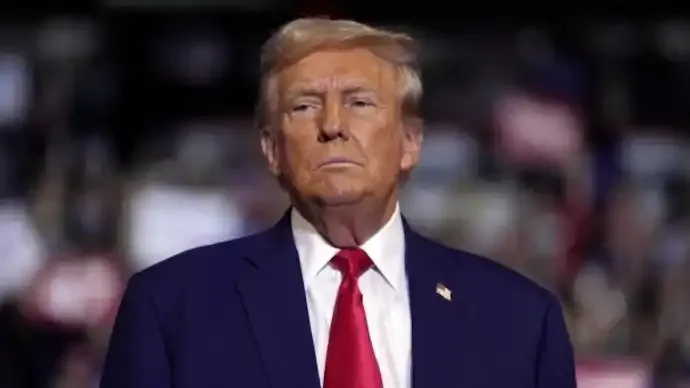
US President Donald Trump on Saturday announced the immediate termination of Temporary Protected Status (TPS) for Somali nationals living in Minnesota, bringing an abrupt end to a humanitarian program that has existed since 1991.
In a post on Truth Social, Trump alleged that “Somali gangs are terrorising Minnesota” and claimed “billions of dollars are missing,” though he provided no verified evidence to substantiate the accusations. The President also described Minnesota as a “hub of fraudulent money laundering activity” under Democratic Governor Tim Walz, repeating unconfirmed claims that have circulated among some Republican lawmakers linking local fraud cases to the militant group Al-Shabaab.
Governor Walz responded on X, accusing Trump of “broadly targeting an entire community” and using inflammatory rhetoric to distract from unrelated political issues.
Vital Context: TPS Holders Are a Small Minority
According to data from the Congressional Research Service, only 705 Somali-born individuals nationwide currently hold TPS status.
Minnesota, home to one of the largest Somali-American communities in the US, is predominantly made up of US citizens and legal permanent residents, including Congresswoman Ilhan Omar, who represents the state’s 5th District.
Omar, born in Somalia and raised in a Kenyan refugee camp before settling in Minneapolis, has been a prominent voice defending immigrant communities and criticising Trump’s immigration policies.
What Is TPS and Why It Matters
TPS was first granted to Somalis in September 1991, designed to protect foreign nationals who cannot safely return to their country due to armed conflict, natural disasters or other extraordinary conditions.
Currently, 17 countries have TPS designation.
While the Trump administration has previously sought to terminate several TPS programs, the Biden administration had extended protection for Somalis through March 17, 2026. Saturday’s move attempts to reverse that extension.
Backlash and Legal Concerns
Civil rights organisations and community leaders condemned Trump’s decision.
Jaylani Hussein, Executive Director of CAIR–Minnesota, said the policy shift targets “law-abiding migrants who followed every legal requirement.”
He warned that the sudden termination could split families, disrupt employment and expose many to deportation risks.
Abshir Omar, a political strategist and Trump supporter, said the decision is likely to face legal challenges, and cautioned that it could damage US–Somalia relations. Somalia recently offered the US exclusive access to ports and air bases and signaled interest in collaborating with American companies to explore its energy resources.