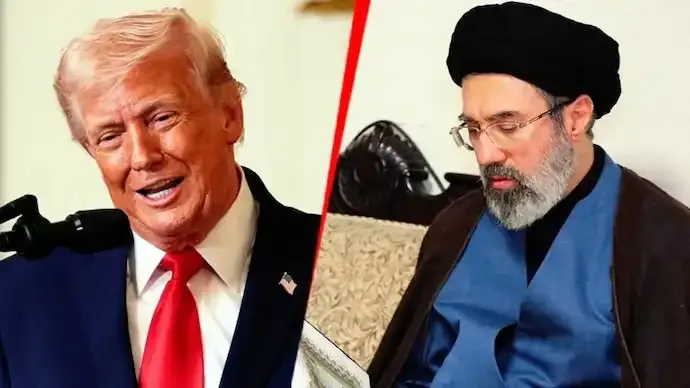
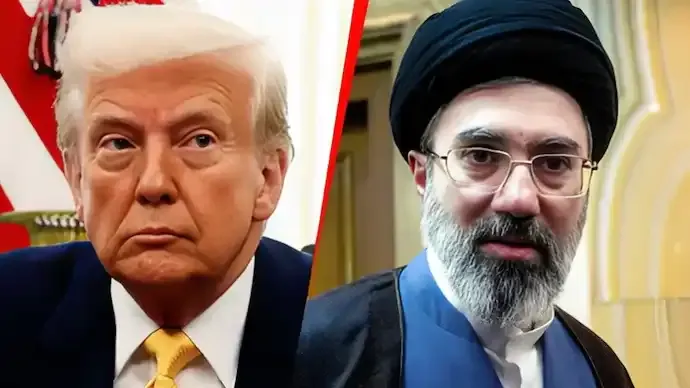
US President Donald Trump has conveyed to Tehran that Washington does not intend to carry out a military attack against Iran, according to statements attributed to Iranian diplomatic sources. The message comes at a time of heightened regional tension following weeks of mass anti-government protests in Iran and a forceful crackdown by authorities.
According to reports cited by international media, Iran’s Ambassador to Pakistan stated that the communication from Washington included a request for restraint while assuring that there were no plans for a US military strike on Iranian territory. The diplomatic exchange reportedly followed a rapid escalation in rhetoric and military posturing that had triggered speculation of an imminent confrontation between the two countries.
The outreach from the US side comes amid widespread demonstrations across Iran that began in late December, driven by economic distress and political grievances. Human rights organisations have reported a sharp rise in casualties during the protests, with estimates suggesting that more than 2,600 people have been killed, while some figures place the death toll above 3,000. The unrest is considered one of the deadliest episodes of internal upheaval in Iran since the 1979 revolution.
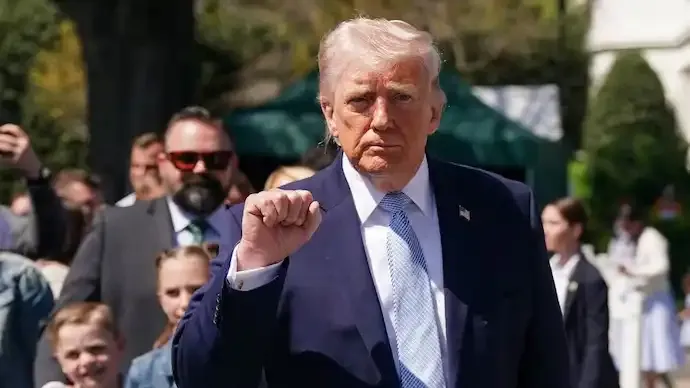
Speaking to reporters, President Trump said he had received information indicating that the killings had slowed and that executions were not currently planned. “We were told that the killing in Iran is stopping, and there’s no plan for executions,” Trump said, adding that the information came from what he described as “very important sources on the other side.”
International attention has also focused on individual cases linked to the protests. Trump highlighted reports suggesting that Erfan Soltani, a 26-year-old Iranian protester initially sentenced to death, would no longer face execution. Sharing a media report on his social media platform, Trump welcomed the development and expressed hope that similar outcomes would follow for others detained during the unrest.
Despite assurances of restraint, US officials have acknowledged that military options were discussed internally as the situation in Iran deteriorated. However, diplomatic engagement remained the preferred path, according to the White House. Trump has repeatedly voiced public support for Iranian demonstrators, stating earlier this week that meetings with Iranian officials had been cancelled until violence against protesters stopped.
Meanwhile, Iranian authorities have issued warnings to neighbouring countries hosting US military bases, cautioning that any attack on Iran would result in retaliation against American installations in the region. Following these warnings, the US adjusted its military posture, including the partial evacuation of personnel from the Al Udeid Air Base in Qatar, a move described by officials as precautionary rather than a full withdrawal.
Iran’s leadership has sought to project an image of stability. Foreign Minister Abbas Araqchi has told regional counterparts that calm has returned, while President Masoud Pezeshkian said the government would withstand external pressure as long as it retained public support.
As protests continue in pockets across the country, international monitoring groups report signs of ongoing mobilisation despite internet restrictions and communication blackouts. Diplomatic efforts by regional actors are continuing as both Washington and Tehran attempt to prevent the crisis from spiralling into a wider conflict.