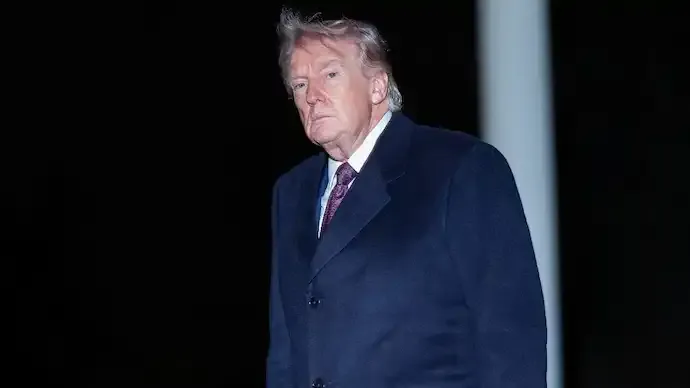
US President Donald Trump has warned that the North Atlantic Treaty Organization (NATO) could face serious consequences if its member countries fail to support efforts to reopen the strategically important Strait of Hormuz. The warning comes amid rising tensions in the Middle East during the ongoing conflict involving Iran.
Speaking in an interview with a British publication, Trump urged NATO allies, especially European countries, to join Washington’s efforts to secure the key maritime route. He described the situation as a collective responsibility and called for a coordinated international response to restore navigation through the waterway.
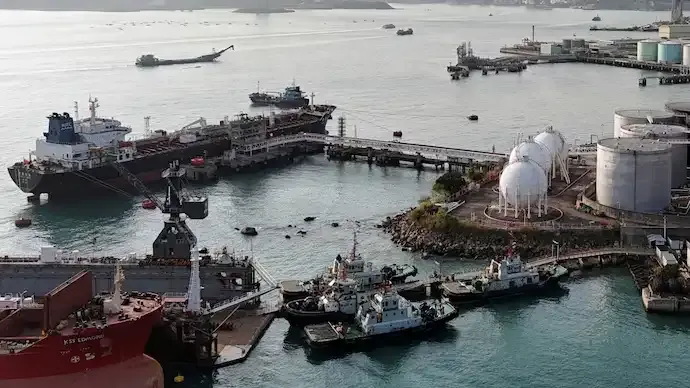
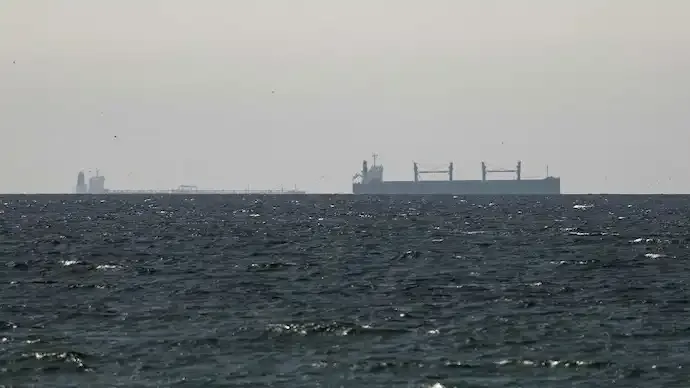
The Strait of Hormuz is one of the most important oil transit routes in the world. Nearly one-fifth of the global oil supply passes through this narrow channel that connects the Persian Gulf to the Arabian Sea. Any disruption to shipping through the strait has the potential to affect global energy markets and international trade.
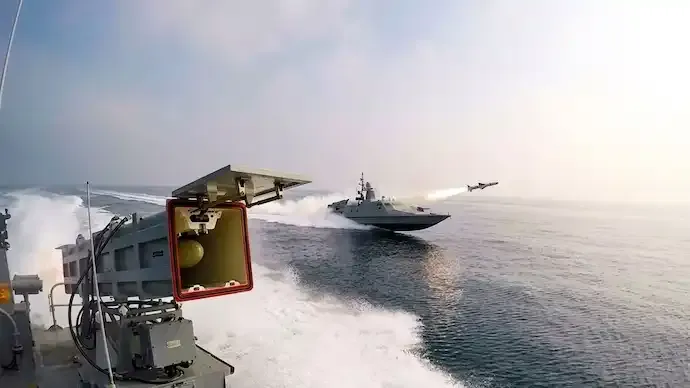
According to reports, the waterway has been largely blocked by Iran following the escalation of hostilities in the region. The conflict, which has intensified over the past several weeks, has raised concerns about maritime security and global energy supplies.
Trump emphasized that reopening the Strait of Hormuz is not just an American priority but a matter that affects the entire global economy. He argued that NATO member states must contribute to the effort to secure the shipping route and ensure the uninterrupted movement of oil tankers.
The US president warned that if NATO allies fail to support the initiative, it could negatively affect the future of the alliance. He suggested that a lack of cooperation during such a critical situation could weaken the credibility and unity of the security alliance.
NATO is a military alliance that includes several North American and European countries. While it was originally formed to address security threats in the North Atlantic region, its role has expanded over time to include broader international security concerns.
The current tensions in the Middle East have once again highlighted the strategic importance of maritime chokepoints such as the Strait of Hormuz. Control or disruption of such routes can have major implications for global energy supply chains.
Security analysts say that ensuring safe passage through the strait is crucial for maintaining stability in international oil markets. Many countries, particularly in Asia and Europe, depend heavily on energy shipments that pass through this route.
The situation has also prompted discussions among global powers about maritime security cooperation and the protection of international shipping lanes during times of conflict.
As tensions in the region continue to evolve, the call for international collaboration to secure vital trade routes is expected to remain a major diplomatic and security issue.
The future of the Strait of Hormuz and its role in global energy supply will likely remain at the centre of geopolitical discussions as countries attempt to manage the risks associated with the ongoing conflict.