
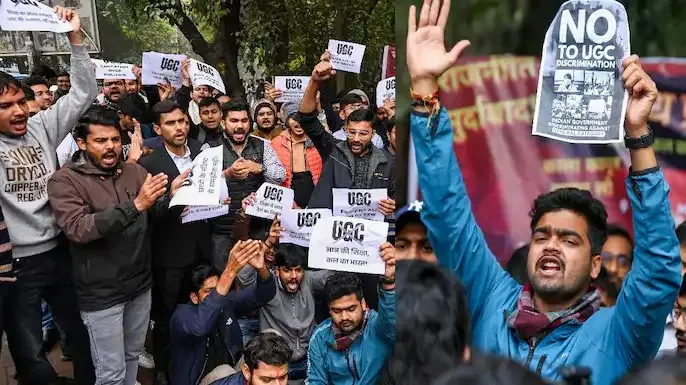
The Supreme Court of India is set to hear a public interest litigation (PIL) challenging the University Grants Commission’s newly notified equity regulations, which have sparked widespread debate and protests over their alleged discriminatory impact on general category students. The top court agreed to urgently list the plea, acknowledging the intensity of public reaction surrounding the issue.
A bench headed by Surya Kant, along with Justice Joymalya Bagchi, will hear the matter. While granting the urgent listing, the bench indicated it was aware of the developments unfolding across campuses and instructed petitioners to cure procedural defects in their filings before the hearing.
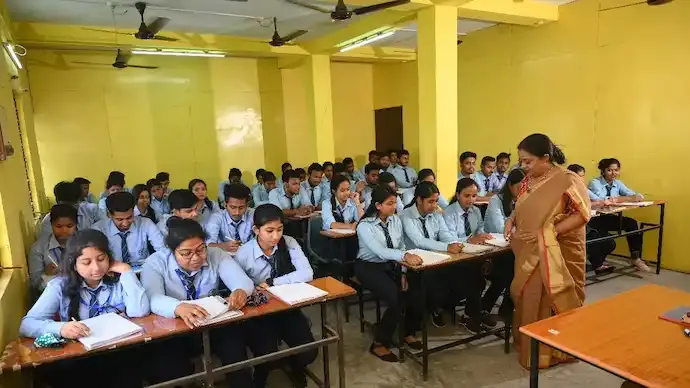
The case centres on the University Grants Commission’s newly enforced regulations aimed at addressing discrimination in higher educational institutions. The rules mandate the creation of equity committees across universities and colleges, introduce time-bound mechanisms for complaint redressal, and expand the scope of caste-based discrimination to include Other Backward Classes (OBCs), in addition to Scheduled Castes (SCs) and Scheduled Tribes (STs).
Petitioners have argued that while the intent of promoting equity is laudable, the framework suffers from significant procedural shortcomings. Critics claim the rules lack adequate safeguards against misuse, contain vague definitions of discrimination, and could be applied without sufficient due process. A central concern raised before the court is that the regulations identify SCs, STs, and OBCs as potential victims of caste-based discrimination while excluding general category students from similar protection, effectively portraying them as perpetual perpetrators.
The petitions have been filed by multiple individuals, including advocates and concerned citizens, who contend that the regulations violate principles of equality and fairness enshrined in the Constitution. They have urged the court to examine whether the UGC exceeded its mandate by expanding the definition of caste discrimination beyond what was originally contemplated.
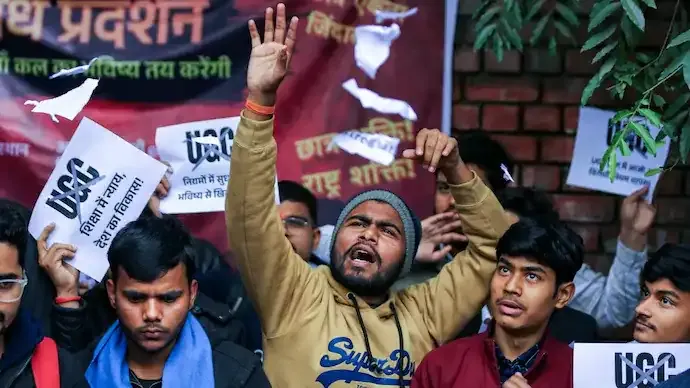
The legal challenge follows sustained protests by student groups and sections of the academic community across several states. Demonstrations have been reported from campuses in Delhi and other cities, with protesters warning that the absence of safeguards for the accused could lead to reputational damage and career consequences based on unverified complaints.
The UGC regulations trace their origins to earlier judicial observations that anti-discrimination rules in higher education must be enforceable and not merely symbolic. However, opponents argue that certain provisions included in the final notification were not part of the draft regulations released for public consultation, raising questions about transparency and overreach.
The hearing is expected to examine whether the balance between protecting vulnerable communities and ensuring procedural fairness has been adequately maintained. Observers note that the court’s scrutiny could have wide-ranging implications for campus governance, student rights, and the future of affirmative action policies in higher education.
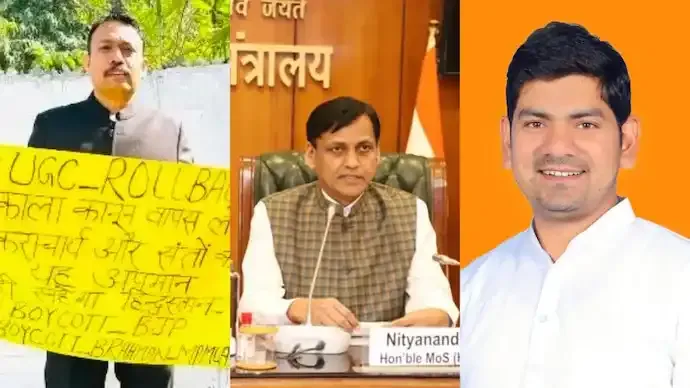
As the Supreme Court takes up the matter, both the government and opposition parties are watching closely, aware that the issue sits at the intersection of law, education policy, and sensitive social dynamics. The outcome of the hearing could determine whether the current framework remains in force, is modified, or is sent back for reconsideration.



Conversation
Be kind and stay on topic. Comments are moderated; abuse, spam and personal attacks are removed. Report a problem