

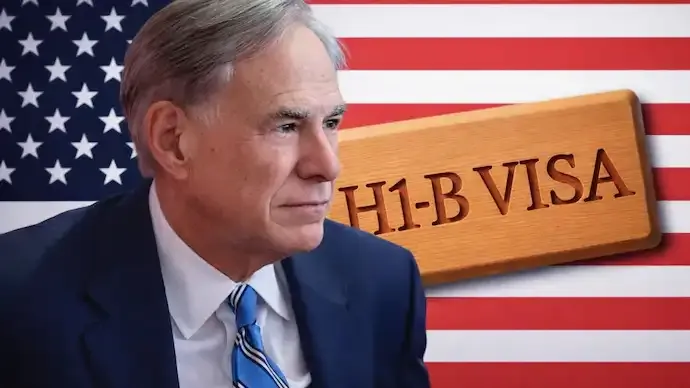
The legal challenge against the steep H-1B visa fee imposed during the Trump administration has suffered a setback after a US District Court upheld the measure as lawful, pushing the battle into the appeals process.
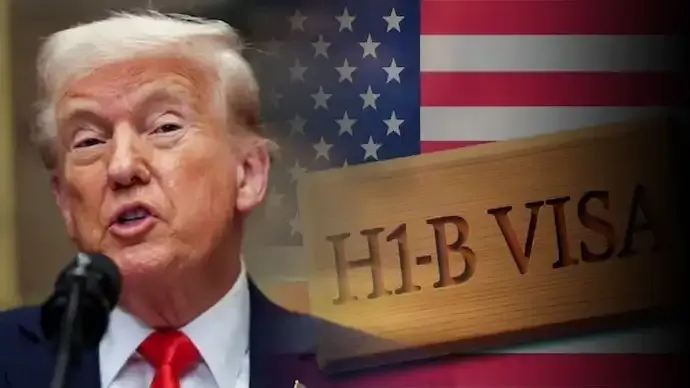
The US Chamber of Commerce has now moved the US Appeals Court after a federal judge refused to block the $100,000 fee on new H-1B visa applications. The fee was introduced through a presidential proclamation in September as part of former US President Donald Trump’s efforts to curb what he described as misuse of the H-1B visa programme.
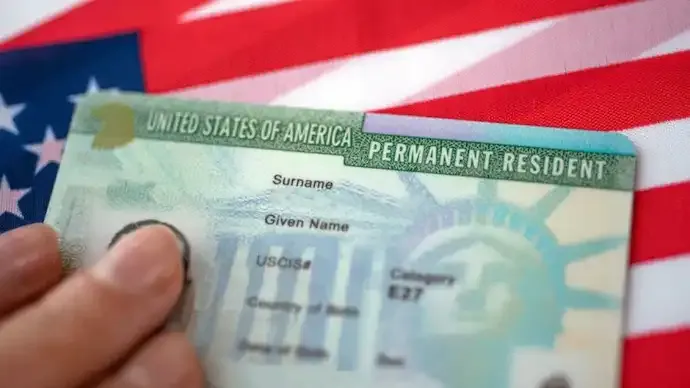
The H-1B programme allows US employers to hire highly skilled foreign professionals for specialised roles and is widely used by technology, engineering, healthcare, and education sectors. The Chamber had argued that the sharp increase violated federal immigration law and exceeded the executive branch’s authority to set visa fees.
However, US District Judge Beryl Howell, an appointee of former President Barack Obama, rejected these claims in a December ruling. The court held that the presidential proclamation was backed by an explicit statutory grant of authority, giving the president the legal power to impose the fee.
Legal analysts have indicated that the ruling leaves the petitioner facing an uphill task on appeal. Experts believe that if the district court found no legal flaws in the proclamation, higher courts may also be reluctant to intervene.
The case comes at a time when the H-1B visa programme is already under strain due to new rules related to social media screening and restrictions on visa stamping outside a holder’s country of origin. These changes have caused significant delays at US consulates worldwide, leaving many professionals stranded away from their jobs and families.
The dispute over the fee is far from settled. Separate lawsuits have been filed by multiple US states in Massachusetts, as well as by labour unions and a global nurse-staffing firm in California. Legal experts expect the matter to eventually reach the US Supreme Court.
Opponents of the fee argue that the high cost could worsen shortages of skilled professionals in critical sectors such as schools and hospitals, particularly in states already struggling to fill teaching and healthcare positions.


Conversation
Be kind and stay on topic. Comments are moderated; abuse, spam and personal attacks are removed. Report a problem