

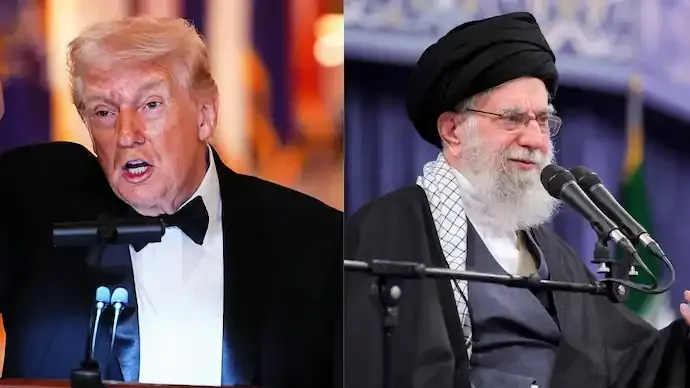

Fresh diplomatic efforts between the United States and Iran are set to resume this Thursday in Geneva, raising cautious hopes for de-escalation even as tensions in the Middle East remain high and fears of military confrontation persist. The talks, facilitated by Oman, come at a time when both nations have signalled readiness for conflict if negotiations fail.
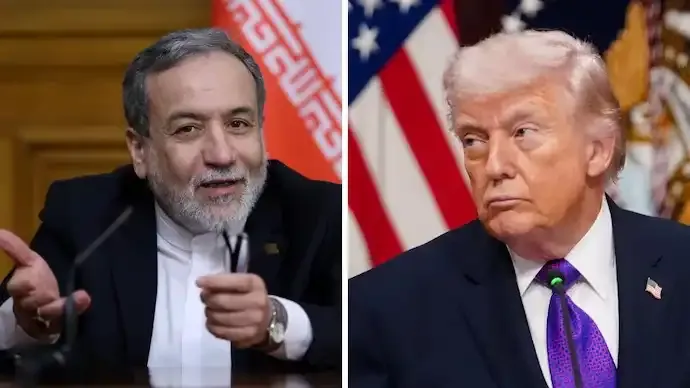
Oman’s foreign minister Badr al-Busaidi confirmed the upcoming round of discussions. The Gulf nation has played a key mediating role in previous indirect negotiations concerning Iran’s nuclear program and hosted earlier rounds of dialogue. Iranian Foreign Minister Abbas Araghchi indicated that he expects to meet US envoy Steve Witkoff in Geneva and said there remains a strong possibility of reaching a diplomatic solution.
The renewed talks come amid growing pressure from Donald Trump’s administration, which has significantly increased the US military presence in the Middle East. Washington has warned that limited military strikes remain an option if diplomacy fails, underscoring the urgency of the negotiations.

Iranian President Masoud Pezeshkian stated that previous discussions involved practical proposals and encouraging signals but stressed that Tehran is prepared for any potential scenario. While Washington insists Iran must not possess nuclear weapons capability or enrich uranium, Tehran maintains that uranium enrichment remains its sovereign right and is intended for peaceful purposes.
Iran has indicated it is preparing a draft proposal focused solely on the nuclear issue, while the United States and its allies have broader concerns, including Iran’s missile program and its support for regional armed groups. Tehran has repeatedly rejected expanding the scope of negotiations beyond nuclear matters.
The nuclear dispute has remained unresolved since Washington withdrew from the 2015 nuclear agreement in 2018. Although US and Israeli strikes on Iranian nuclear facilities in June reportedly damaged key sites, the extent of the impact remains unclear due to limited international inspections. Iranian officials insist their nuclear program remains peaceful and say enrichment activities have ceased since the strikes.
Meanwhile, tensions inside Iran are also rising. New anti-government protests have been reported at universities in Tehran and Mashhad, with students gathering during memorial events marking victims of earlier demonstrations. Videos circulating online show clashes between protesters and pro-government supporters, with some demonstrators chanting anti-government slogans.
Authorities have not officially commented on the latest protests. Previous unrest earlier this year resulted in thousands of deaths and arrests, according to activist groups, making it one of the deadliest crackdowns in the country’s recent history.
As negotiations resume, the stakes remain high. Diplomatic progress could reduce the risk of military escalation and ease regional tensions, while failure could trigger further instability in an already volatile geopolitical landscape.





Conversation
Be kind and stay on topic. Comments are moderated; abuse, spam and personal attacks are removed. Report a problem