

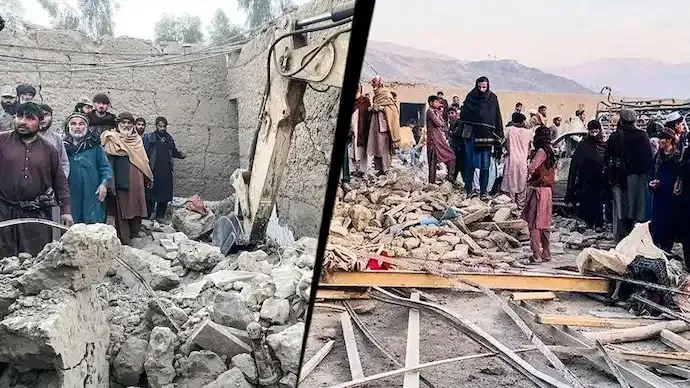

Tensions between Pakistan and Afghanistan have escalated following cross-border airstrikes, renewed militant violence, and a collapse of ceasefire efforts. The latest escalation has drawn international attention after Pakistan launched air operations inside Afghan territory and subsequently suggested external involvement, including allegations pointing toward India.
Islamabad has linked the strikes to counterterrorism operations targeting militant sanctuaries, while Kabul has accused Pakistan of causing civilian casualties. The competing narratives underscore the deep mistrust between the two neighbours and the fragile security situation along their shared border.
Historical roots of the dispute
The roots of Pakistan–Afghanistan tensions trace back to the 1893 Durand Line, which divided Pashtun tribal regions. Afghanistan has historically contested the boundary, while Pakistan treats it as an international border. The dispute has shaped bilateral tensions since Pakistan’s creation in 1947 and continues to influence cross-border dynamics.

Rise of TTP and cross-border militancy
The modern phase of conflict has been shaped by the resurgence of Tehrik-i-Taliban Pakistan (TTP), particularly after the US withdrawal from Afghanistan in 2021. Cross-border attacks intensified in recent years, targeting Pakistani security personnel and infrastructure in regions such as North Waziristan and Bajaur.
Pakistan alleges that militant groups operate from safe havens inside Afghanistan. Afghan authorities have denied providing sanctuary, but the issue remains a central point of contention.
Ceasefire collapse and renewed airstrikes
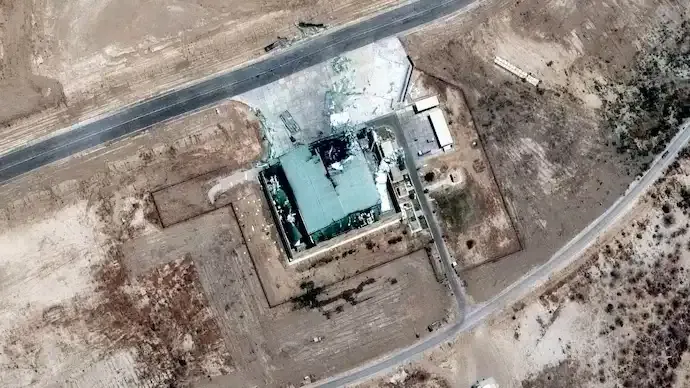
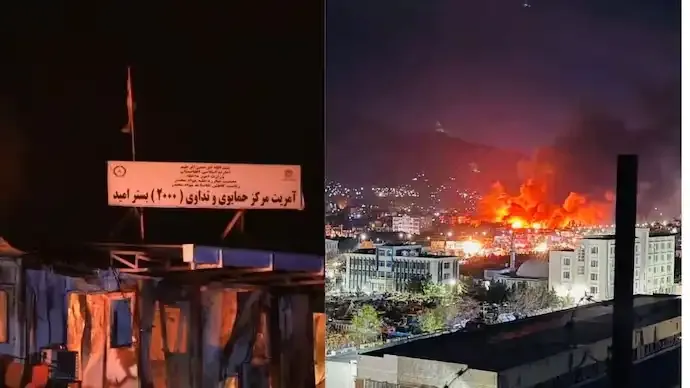
A fragile ceasefire brokered in 2025 temporarily reduced tensions but lacked enforcement mechanisms and verification systems. Violence resumed after a suicide bombing in Islamabad and fresh border clashes, prompting Pakistan to conduct new airstrikes in Afghan provinces.
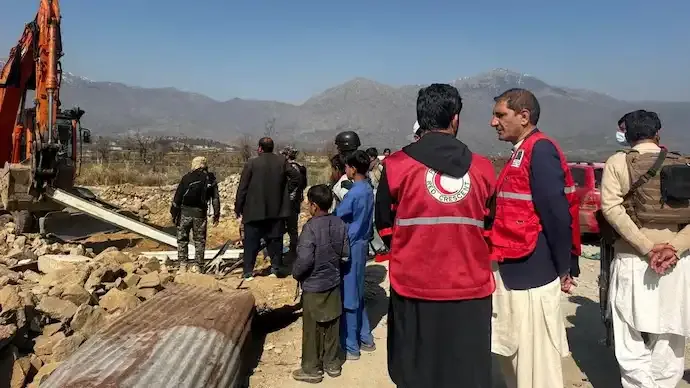
Pakistan stated that militant targets were neutralised, while Afghan officials reported civilian casualties. Independent verification remains difficult in conflict zones, leaving competing claims unresolved.
Allegations against India and regional dynamics
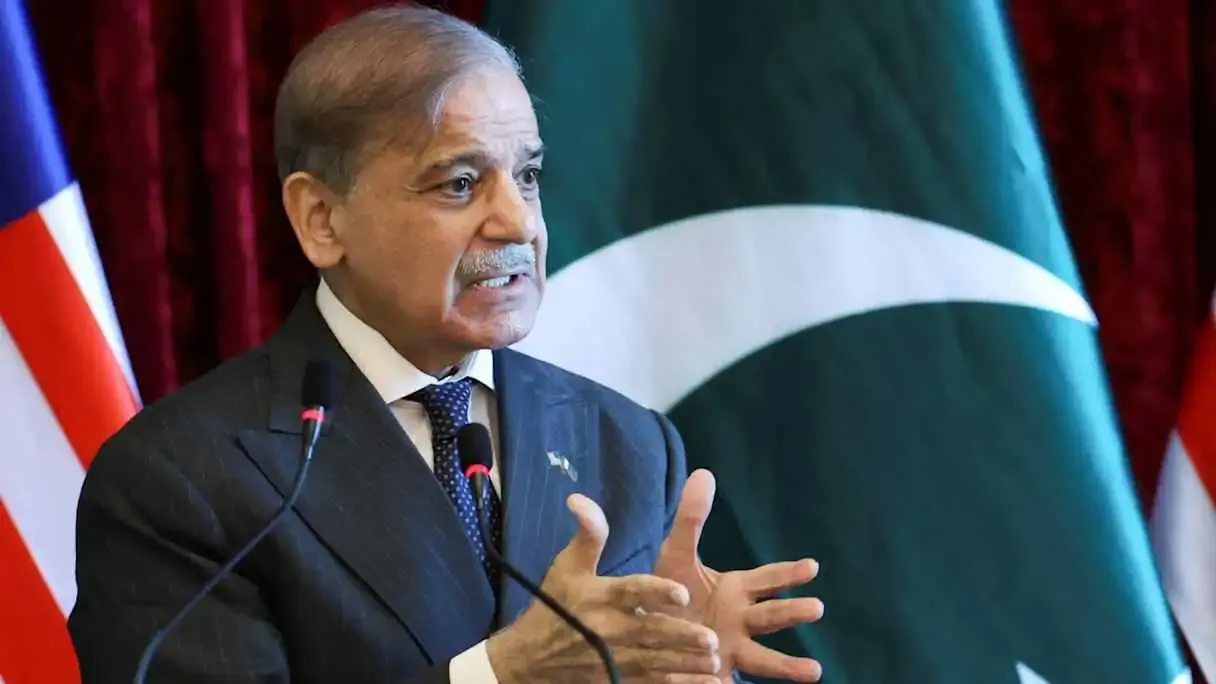
Pakistani officials have suggested that Afghanistan’s actions may be influenced by India, citing diplomatic engagement between New Delhi and Kabul. However, India’s recent outreach has focused on humanitarian assistance, infrastructure support, and regional stability.
Security analysts note that allegations of external involvement often emerge during periods of heightened tension, though concrete evidence supporting such claims remains limited.
Complex security challenges for Pakistan
Pakistan faces a difficult security environment shaped by militant violence, internal security pressures, and evolving regional geopolitics. Analysts widely describe the TTP threat as a major domestic security challenge with roots in past militant policies and regional instability.
The ideological proximity between militant groups across the border complicates counterterrorism efforts and strains relations between Islamabad and Kabul.
Regional stability at stake
The current escalation reflects long-standing structural tensions rather than a sudden conflict. Unresolved border disputes, militant sanctuaries, political pressures, and fragile ceasefires continue to fuel instability.
Experts suggest that durable peace will require coordinated counterterrorism efforts, border management mechanisms, and diplomatic engagement between the two countries.
As tensions persist, the situation remains fluid, with regional stability dependent on de-escalation efforts and credible security cooperation.





Conversation
Be kind and stay on topic. Comments are moderated; abuse, spam and personal attacks are removed. Report a problem