

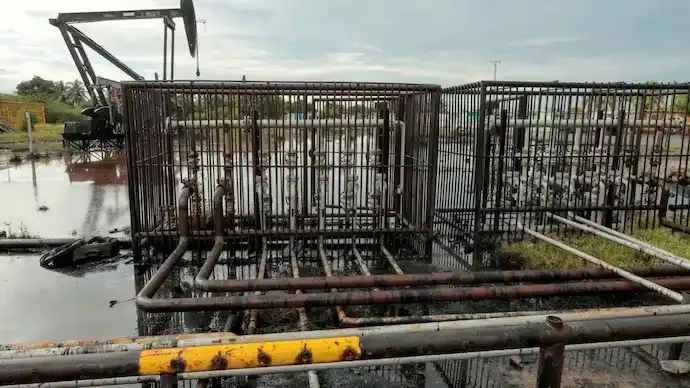

The United States administration is preparing to hold talks with leading American oil companies to explore ways of boosting Venezuela’s oil production following the removal of its long-time leader Nicolas Maduro, according to sources familiar with the matter. The discussions are expected to take place later this week and are seen as a key step in Washington’s broader strategy to reintroduce US energy firms into the oil-rich South American nation.
The proposed meetings are central to the ambitions of US President Donald Trump’s administration, which believes that American companies can play a major role in rebuilding Venezuela’s oil sector. Nearly two decades ago, Venezuela’s government took control of several US-led energy operations, leading to the exit of major international players and a prolonged decline in production.
Despite Trump’s public claims that his administration has already held discussions with all major US oil firms, industry executives have pushed back on that assertion. Senior sources within the sector said that the three largest US oil companies — Exxon Mobil, Chevron, and ConocoPhillips — have not yet had formal conversations with the White House regarding operations in Venezuela, either before or after Maduro’s removal.

According to industry insiders, executives from these companies remain cautious, citing the absence of clarity around who will attend the proposed meetings and whether discussions will be held individually or in a group format. Some executives have also expressed concern over antitrust regulations, which limit collective discussions among competing firms about investments, production levels, and timelines.
The administration’s interest in reviving Venezuela’s oil output stems from the country’s vast energy potential. Venezuela sits atop the world’s largest proven oil reserves and was once a major global producer and a member of Organization of the Petroleum Exporting Countries. However, years of underinvestment, mismanagement, and international sanctions have reduced its output to roughly a third of its historical peak.
Officials believe that increased Venezuelan supply could help stabilise global energy markets, particularly as geopolitical tensions continue to disrupt oil flows elsewhere. US refineries, especially along the Gulf Coast, are designed to process Venezuela’s heavy crude, making a revival of production strategically attractive.
A spokesperson for the White House said the administration was confident that US oil companies were ready to invest heavily in Venezuela’s energy infrastructure, which it claims was severely damaged under the previous regime. However, analysts caution that turning political intent into reality will be far from straightforward.
Industry experts warn that restoring Venezuela’s oil sector would require billions of dollars in investment and years of sustained effort. Decaying infrastructure, outdated facilities, and a shortage of skilled labour pose major challenges. More importantly, uncertainty over Venezuela’s political future, legal framework, and long-term US policy could deter companies from making large, irreversible commitments.
At present, Chevron is the only major American firm still operating in Venezuela, exporting crude to the US under special authorisations. In contrast, Exxon Mobil and ConocoPhillips have unresolved disputes stemming from the nationalisation of their assets under former president Hugo Chávez, including long-running arbitration cases and compensation claims worth billions of dollars.
Market reaction to Washington’s move was largely positive. Energy stocks rallied, with the S&P 500 energy index climbing to its highest level since March 2025. Shares of Exxon Mobil and Chevron rose sharply as investors bet that US firms could eventually gain access to Venezuela’s vast reserves.
For now, however, analysts say optimism should be tempered. While the administration’s outreach signals a potential shift in US-Venezuela energy relations, meaningful production gains will depend on legal certainty, political stability, and sustained policy support. Until those pieces fall into place, Venezuela’s oil revival is likely to remain a long-term ambition rather than an immediate reality.






Conversation
Be kind and stay on topic. Comments are moderated; abuse, spam and personal attacks are removed. Report a problem