The United States military has confirmed that three people were killed in a strike on a suspected drug-smuggling vessel in the Caribbean Sea, marking the latest action in an expanding counter-narcotics campaign targeting maritime trafficking routes.
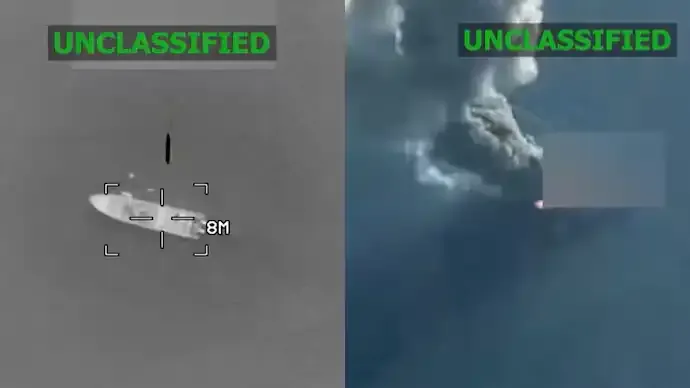
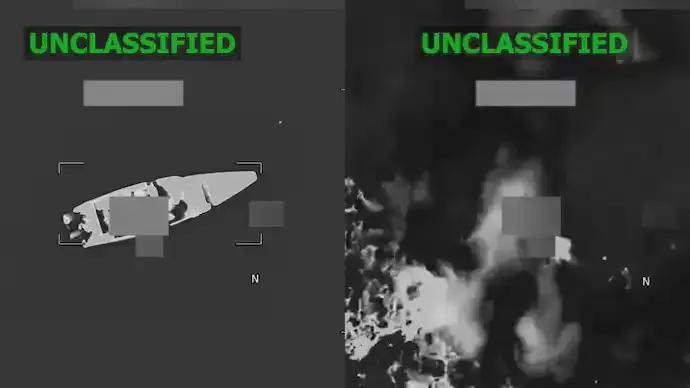
The strike, conducted by US Southern Command, targeted a small vessel travelling along known smuggling corridors. Officials said intelligence indicated the boat was involved in drug trafficking operations. A declassified video of the strike showing the vessel being destroyed was shared publicly.
The latest operation brings the death toll to at least 151 since the campaign began in September, reflecting a significant escalation in the use of military force against suspected traffickers.
Campaign framed as fight against “narco-terrorism”
US authorities describe the maritime strikes as part of a broader effort to disrupt drug trafficking networks transporting narcotics toward North America. President Donald Trump has characterised the operations as part of an “armed conflict” against cartels and transnational criminal organisations.
The campaign has involved dozens of strikes across the Caribbean and eastern Pacific targeting small vessels suspected of carrying narcotics or linked to organised crime groups.
Questions raised over evidence and legality
Despite the military’s claims, officials have often not released direct evidence confirming that targeted vessels were carrying drugs. Critics argue that destroying boats based on intelligence assessments alone raises legal and ethical concerns.
Human rights advocates and legal experts have questioned whether the strikes comply with international law, noting that suspected smugglers are civilians and not lawful military targets.
The campaign also drew controversy after reports that survivors from an earlier strike were killed in a follow-up attack, prompting debate over rules of engagement and accountability.
Effectiveness debate intensifies
Critics argue the maritime strikes may have limited impact on the broader drug trade, pointing out that synthetic opioids such as fentanyl often enter the United States through land routes rather than sea corridors.
Supporters of the strategy contend that disrupting trafficking networks at sea increases operational risk for cartels and reduces drug flow.
Expanding military role in counter-drug operations
The strikes form part of a broader military campaign in the Caribbean aimed at dismantling transnational criminal networks and disrupting illicit maritime routes. The operation has involved increased naval deployments, surveillance activities, and cooperation with regional partners.
While US officials say the actions are necessary to curb narcotics trafficking and enhance security, the rising death toll and limited transparency continue to fuel international debate.