Shopping cart
Your cart empty!


Your cart empty!
Terms of use dolor sit amet consectetur, adipisicing elit. Recusandae provident ullam aperiam quo ad non corrupti sit vel quam repellat ipsa quod sed, repellendus adipisci, ducimus ea modi odio assumenda.
Lorem ipsum dolor sit amet consectetur adipisicing elit. Sequi, cum esse possimus officiis amet ea voluptatibus libero! Dolorum assumenda esse, deserunt ipsum ad iusto! Praesentium error nobis tenetur at, quis nostrum facere excepturi architecto totam.
Lorem ipsum dolor sit amet consectetur adipisicing elit. Inventore, soluta alias eaque modi ipsum sint iusto fugiat vero velit rerum.
Sequi, cum esse possimus officiis amet ea voluptatibus libero! Dolorum assumenda esse, deserunt ipsum ad iusto! Praesentium error nobis tenetur at, quis nostrum facere excepturi architecto totam.
Lorem ipsum dolor sit amet consectetur adipisicing elit. Inventore, soluta alias eaque modi ipsum sint iusto fugiat vero velit rerum.
Dolor sit amet consectetur adipisicing elit. Sequi, cum esse possimus officiis amet ea voluptatibus libero! Dolorum assumenda esse, deserunt ipsum ad iusto! Praesentium error nobis tenetur at, quis nostrum facere excepturi architecto totam.
Lorem ipsum dolor sit amet consectetur adipisicing elit. Inventore, soluta alias eaque modi ipsum sint iusto fugiat vero velit rerum.
Sit amet consectetur adipisicing elit. Sequi, cum esse possimus officiis amet ea voluptatibus libero! Dolorum assumenda esse, deserunt ipsum ad iusto! Praesentium error nobis tenetur at, quis nostrum facere excepturi architecto totam.
Lorem ipsum dolor sit amet consectetur adipisicing elit. Inventore, soluta alias eaque modi ipsum sint iusto fugiat vero velit rerum.
Do you agree to our terms? Sign up
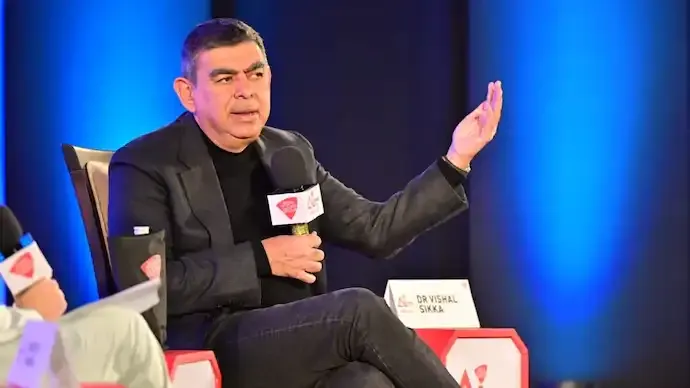
Former Infosys CEO Vishal Sikka has said he has “no regrets” about Infosys not investing in OpenAI during the 2015–2017 period, despite the artificial intelligence company’s meteoric rise in recent years.
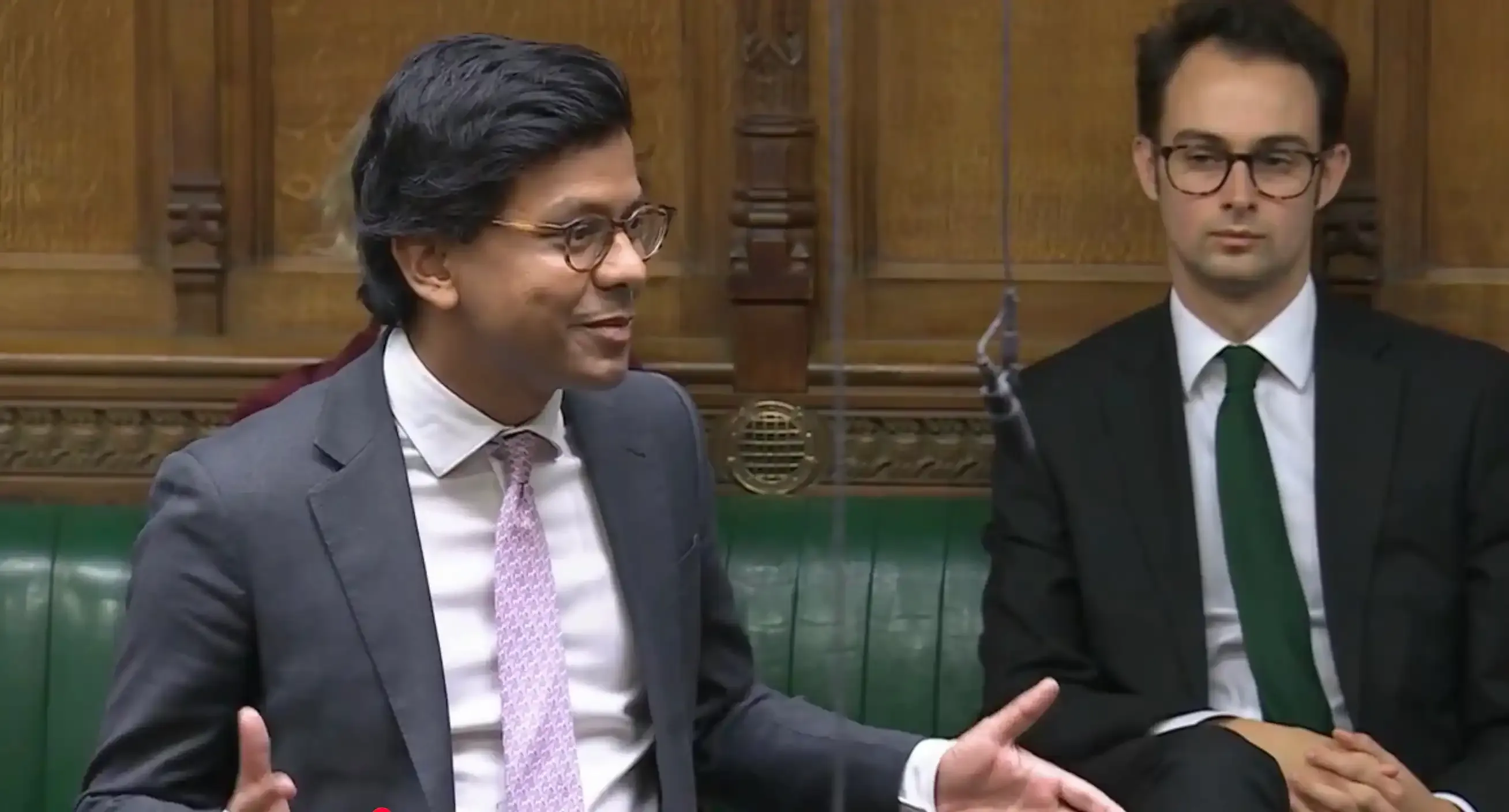
Speaking at the India Today AI Summit 2026, Sikka addressed what has become one of the Indian technology sector’s most discussed “what-if” moments. When asked about the missed investment opportunity, he responded that the outcome unfolded as it was meant to, echoing the idea that events could not have happened differently.
Nearly a decade ago, long before generative AI tools such as ChatGPT became mainstream, Sikka believed artificial intelligence would transform enterprise software and computing.
He recalled that breakthroughs in deep learning — particularly ImageNet-based neural networks and systems like AlexNet — marked a turning point in computing. These advances demonstrated that machine learning could outperform humans in image recognition tasks and signalled a new technological era.
According to Sikka, these developments convinced him that AI would become a foundational layer of software, similar to the impact of the internet and cloud computing.
During Sikka’s tenure, Infosys explored becoming an AI-first enterprise and evaluated a potential investment in OpenAI, which was then a nonprofit research organisation led by Sam Altman and supported by prominent Silicon Valley figures.
However, internal differences over governance structures, risk appetite, and long-term strategy led the company to step back from the opportunity. Sikka later resigned in 2017 amid broader strategic disagreements.
Although Infosys did not take an equity stake, it contributed approximately $3 million as a donation when OpenAI operated as a nonprofit entity.
Analysts now estimate that an early stake could have been worth tens of billions of dollars as OpenAI evolved into one of the most influential companies in the AI sector.
The episode is often viewed as symbolic of a larger challenge faced by the Indian IT industry: transitioning from services-driven models to deep technology innovation and product development.
Since 2022, OpenAI has experienced rapid growth, with generative AI transforming industries and digital workflows worldwide. India has emerged as one of the largest user bases for ChatGPT in Asia, highlighting the technology’s widespread adoption.
Despite OpenAI’s success, Sikka has pushed back against the idea of technological regret. He has argued that artificial intelligence should be viewed as a powerful tool rather than a mystical end goal, emphasising responsible and inclusive development.
At the summit, Sikka stressed the importance of building inclusive AI systems that benefit society broadly. He noted that innovation is rarely linear and is shaped by organisational culture, timing, and consensus.
While Infosys may have missed a major financial windfall, Sikka’s perspective reframes the moment as part of a broader technological evolution rather than a lost opportunity.
As AI continues to reshape industries and economies, his remarks highlight the importance of foresight, adaptability, and responsible innovation in navigating transformative technologies.
90
Published: Feb 19, 2026

All India Story is your trusted source for comprehensive and up-to-the-minute news coverage across India. Bringing you the latest on politics, business, technology, entertainment, sports, and more, we are dedicated to keeping you informed with accurate, engaging, and insightful stories from every corner of the nation.