



Residents across Delhi NCR continue to experience bone-chilling mornings, even as temperatures remain in double digits, leaving many wondering why the cold feels far more intense than what thermometers suggest. The answer lies in a combination of dense fog, trapped moisture, calm winds, and prolonged lack of sunlight — conditions that together amplify the sensation of cold near the ground.
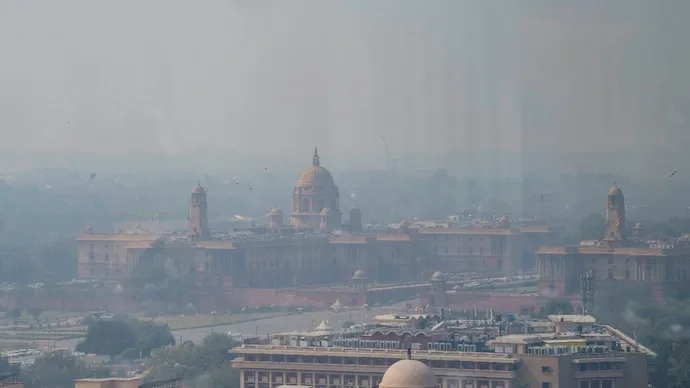
Satellite imagery has shown a thick and persistent fog layer stretching from Delhi eastwards into Uttar Pradesh and Madhya Pradesh. This dense fog acts like a blanket, trapping moisture and pollutants close to the surface and preventing sunlight from penetrating during daylight hours. Without sufficient solar heating, the ground remains cold throughout the day, causing temperatures near the surface to feel far lower than official readings.
Meteorologists explain that high humidity further intensifies discomfort. Moist air conducts heat away from the human body more efficiently, reducing the body’s ability to retain warmth. When combined with calm or near-still winds, which limit air circulation, the cold air stagnates close to the ground, prolonging the chill during mornings and evenings.

According to the India Meteorological Department, visibility in several parts of the region dropped below 200 metres, raising concerns over road safety and air travel disruptions. Similar fog-related conditions have been observed recently in cities like Chandigarh, highlighting a broader regional pattern affecting north India.
While fog is expected to gradually lift by early afternoon in most areas, meteorologists warn that nearly 20 per cent of affected regions may continue to see lingering fog patches. Daytime temperatures are forecast to range between 15°C and 24°C, but the limited sunshine means the cold may still feel persistent despite these readings.
This prolonged fog episode is part of an unusually harsh winter that has gripped north India since late December 2025. Delhi recorded its coldest December day since 2020 on December 31, when maximum temperatures dropped to 14.2°C — around 6.2 degrees below normal — accompanied by dense fog conditions.
The cold wave has triggered widespread disruptions. On December 30, zero visibility led to the cancellation of more than 100 flights at Delhi airport. Air quality also deteriorated sharply as fog trapped pollutants close to the surface, pushing pollution levels toward severe categories and creating smog-filled conditions across the city.
Educational institutions across Delhi were shut until mid-January as authorities sought to protect students from the combined impact of extreme cold and poor air quality. Similar measures were implemented in neighbouring states, including Uttar Pradesh and Punjab, where temperatures plunged to seasonal lows, with Hisar recording just 1.1°C — among the coldest readings of the winter so far.
On several occasions in January, thick fog coupled with hazardous pollution caused severe flight delays and traffic disruptions, underscoring how recurring winter patterns continue to challenge daily life in the region. While fog can temporarily suppress airborne dust and marginally reduce pollution indices, experts caution that prolonged exposure to cold, damp air can worsen respiratory and cardiovascular conditions.
As north India endures this relentless winter spell, authorities have urged residents to exercise caution on roads, limit outdoor exposure during peak fog hours, and remain vigilant about health risks. With shifting climate patterns intensifying weather extremes, scientists stress the need for long-term planning to manage the growing impact of severe winters in urban regions.






Conversation
Be kind and stay on topic. Comments are moderated; abuse, spam and personal attacks are removed. Report a problem