

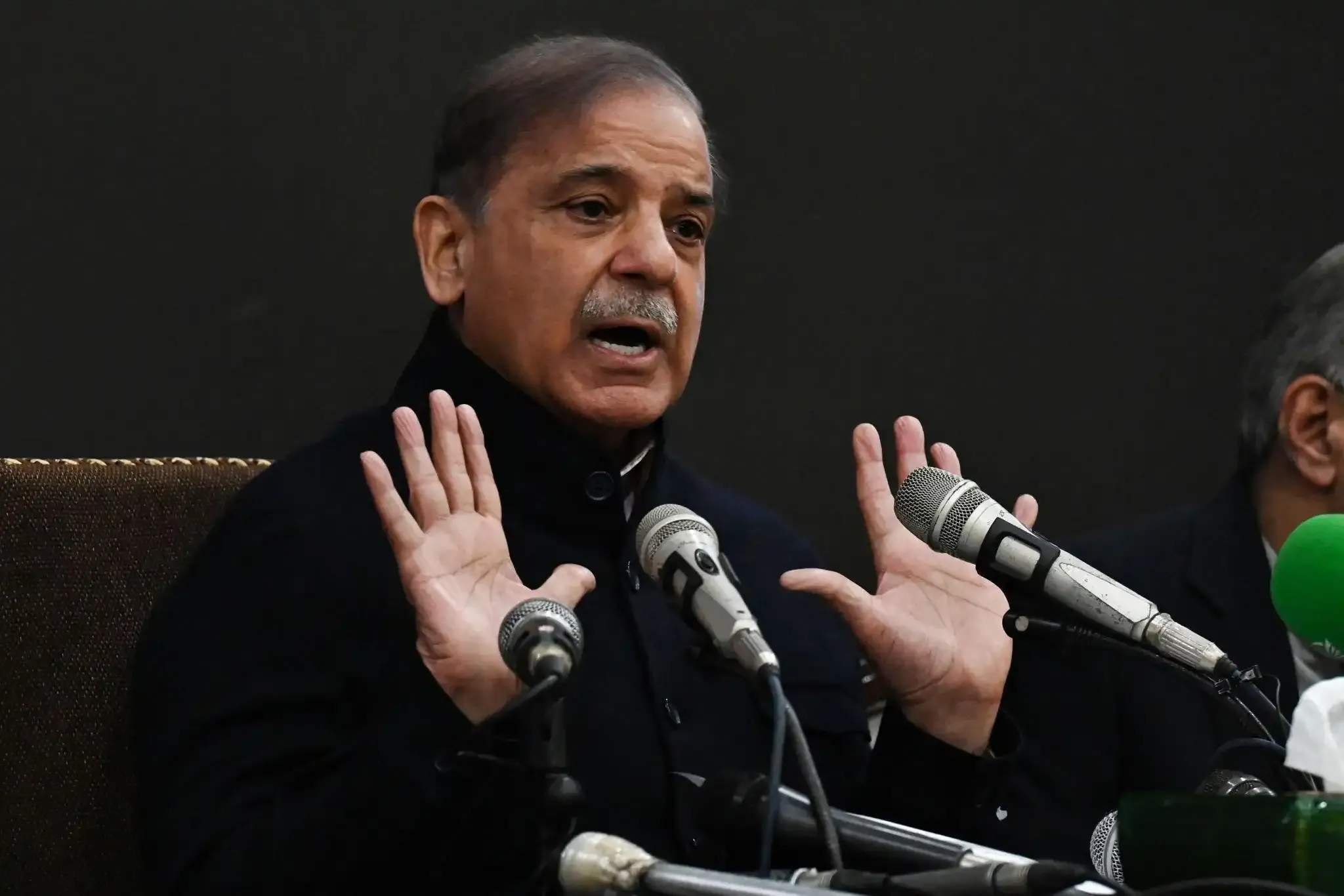

As the US-Iran conflict intensified across the Middle East, Pakistan opened a fresh front closer to home — escalating military action against Afghanistan. The timing of Islamabad’s decision has raised questions among observers about whether the move was purely security-driven or shaped by wider geopolitical calculations.
Pakistan’s military leadership under Army Chief Asim Munir and Prime Minister Shehbaz Sharif declared heightened operations against Taliban-led Afghanistan despite no immediate large-scale trigger. While cross-border tensions between the two neighbours are not new, the scale and timing of the escalation stood out.
Strategic Timing Amid Regional Crisis
The escalation came just as the United States and Israel launched coordinated strikes on Iran, killing its Supreme Leader and targeting key military assets. Tehran responded with missile and drone attacks across the Gulf region.

Pakistan, which shares a 900-kilometre border with Iran, found itself in a sensitive position. As a country balancing ties with the US and projecting itself as part of the wider Islamic world, Islamabad faced diplomatic pressure from multiple sides.
Analysts suggest that opening a military front with Afghanistan may have served as a strategic distraction. By citing internal and border security priorities, Pakistan could signal that it was preoccupied with its own regional challenges.
Domestic Sensitivities
Pakistan has a significant Shia population, estimated at around 20 percent. Any perception of Islamabad supporting US-led military actions against Iran — a Shia-majority country — could have sparked strong domestic backlash.
Protests erupted outside US diplomatic missions in cities like Karachi and Lahore following developments in Iran. Security forces responded as tensions escalated. The unrest further highlighted the delicate balance the Pakistani leadership must maintain between international alliances and domestic sentiment.
Afghanistan Factor
Cross-border tensions between Pakistan and the Afghan Taliban have been rising over the presence of Tehreek-i-Taliban Pakistan (TTP) militants. Islamabad has repeatedly accused Kabul of failing to curb militant activities along the border.
However, the declaration of intensified military action without a recent large-scale trigger led to speculation about broader geopolitical motives. Critics argue that the escalation appeared less reactive and more calculated.
Balancing Washington and Domestic Politics
Pakistan maintains strategic engagement with the United States, particularly on security and counter-terrorism matters. At the same time, public opinion within the country remains sensitive to perceptions of alignment with Western military actions in Muslim-majority nations.
By focusing on border tensions and internal unrest, Islamabad may have sought to frame its priorities as domestic and regional rather than linked to the Iran crisis.
Regional Implications
The broader Middle East conflict has already disrupted energy markets, aviation routes and diplomatic alignments. Pakistan’s simultaneous escalation with Afghanistan adds another layer of complexity to an already volatile environment.
Whether the move was tactical positioning or coincidence, the development underscores how regional conflicts often ripple beyond their immediate theatres. For now, Pakistan appears focused on managing both external pressures and internal stability while the Iran war continues to reshape geopolitics across West and South Asia.






Conversation
Be kind and stay on topic. Comments are moderated; abuse, spam and personal attacks are removed. Report a problem