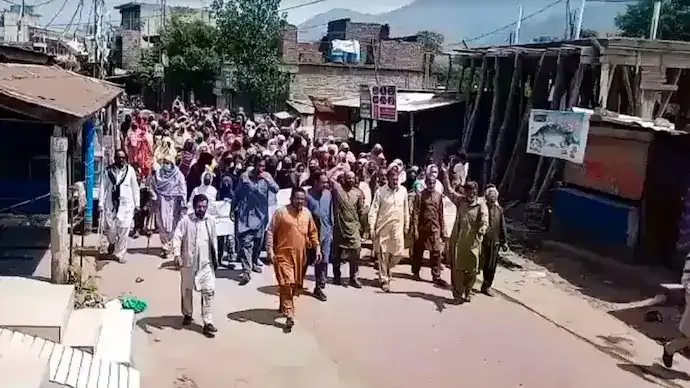
Tensions have escalated dramatically in Pakistan-Occupied Kashmir (POK) after at least 16 protesters were reportedly killed and dozens injured during demonstrations in Rawalakot. The incident has intensified ongoing unrest in the region, where residents have been protesting against rising living costs, electricity tariffs, and what they describe as long-standing political and economic grievances.
According to reports from local sources, Pakistani security personnel opened fire during a large protest gathering, leading to multiple casualties and injuries. The incident has triggered widespread anger and renewed calls for accountability from protest groups.
The violence marks one of the most serious confrontations reported in the region in recent months.
What Happened in Rawalakot?
The incident reportedly occurred during a mass rally in Rawalakot, a major city in Pakistan-Occupied Kashmir.
Thousands of demonstrators had gathered to protest issues including:
-
Rising inflation
-
Increasing electricity tariffs
-
Economic hardship
-
Unemployment concerns
-
Political representation issues
-
Governance-related grievances
According to sources, the situation turned violent when security forces attempted to control the gathering. Reports indicate that gunfire erupted during the confrontation, resulting in multiple deaths and injuries.
Local accounts claim that more than 37 people were injured during the clashes.
Protests Continue to Spread Across POK
The Rawalakot incident comes amid a broader wave of demonstrations across several parts of Pakistan-Occupied Kashmir.
Residents have increasingly voiced dissatisfaction over economic conditions and what protest groups describe as inadequate governance and limited political rights.
The demonstrations have drawn participation from various sections of society, including:
-
Students
-
Traders
-
Civil society groups
-
Local activists
-
Community organizations
Observers note that the movement has expanded beyond economic concerns and now reflects broader frustrations among sections of the population.
Rising Cost of Living Fuels Anger
One of the major factors driving the protests is the increasing cost of living.
Demonstrators have complained about:
-
Higher utility bills
-
Rising fuel costs
-
Inflation
-
Economic pressures on households
-
Limited employment opportunities
Many protesters argue that residents of the region face economic challenges without receiving adequate support or representation.
The issue has become a focal point of public demonstrations across multiple districts.
Security Response Under Scrutiny
The reported use of force against demonstrators has sparked criticism from activists and community leaders.
Human rights advocates have called for an independent investigation into the circumstances surrounding the incident and the reported casualties.
Concerns have also been raised about crowd-control measures and the handling of public protests in the region.
As reports continue to emerge, the exact sequence of events remains the subject of intense discussion and scrutiny.
Strategic Importance of Pakistan-Occupied Kashmir
Pakistan-Occupied Kashmir remains a politically sensitive region with strategic significance in South Asia.
The territory has frequently witnessed political tensions, public demonstrations, and debates over governance, development, and representation.
Developments in the region often attract international attention due to their broader geopolitical implications.
The latest unrest is expected to increase focus on conditions within the territory and the challenges faced by local residents.
Regional Stability Concerns Grow
Political analysts warn that continued unrest could create further instability in the region if underlying grievances remain unresolved.
The combination of economic pressures and public dissatisfaction has increased tensions at a time when broader regional dynamics remain sensitive.
Experts believe authorities may face growing pressure to address public concerns through dialogue and policy measures rather than relying solely on security responses.
Situation Remains Tense
Following the reported shootings, security has reportedly been tightened in several areas as authorities seek to prevent further escalation.
Meanwhile, protest groups continue to demand justice for those killed and injured during the demonstrations.
As developments unfold, Rawalakot has become the center of a rapidly evolving situation that is drawing attention across the region.
The coming days are expected to be critical in determining whether tensions ease or further protests emerge across Pakistan-Occupied Kashmir.
Prev Article
US Releases Footage of Tomahawk Missile Strikes on Iran Amid Escalating Military Confrontation
Next Article
Jaishankar Defends Russian Oil Imports, Says European Weapons Have Been Used Against India