

Cricket’s long-awaited return to the Olympic stage at Los Angeles 2028 was expected to signal a new era for the sport’s global expansion. Instead, ongoing controversies surrounding the T20 World Cup 2026 have revived concerns about governance, scheduling conflicts, and the growing overlap between politics and international cricket.
The tournament, designed to showcase cricket’s expanding footprint with 20 participating teams, has been overshadowed by disputes ranging from boycotts to logistical challenges. Analysts believe the latest tensions reflect deeper structural issues within global cricket administration, raising questions about whether the sport is ready for the discipline and consistency demanded by Olympic competition.
T20 World Cup drama sparks fresh debate
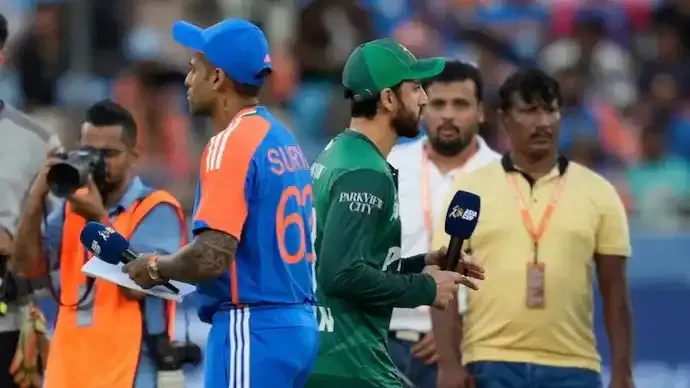
The biggest flashpoint emerged when Pakistan reportedly decided to boycott its group-stage match against India while continuing participation in the rest of the tournament. The high-profile fixture, traditionally among the most commercially valuable games in cricket, now faces uncertainty, highlighting the fragile balance between geopolitics and sport.
Observers say such disputes are not isolated incidents but part of a broader pattern. Past tournaments have witnessed controversies involving venue arrangements, hybrid hosting models, and disagreements over scheduling. These recurring challenges have fuelled criticism that cricket’s global governing structure struggles to enforce uniform standards across member nations.
Hybrid models and financial dynamics
In recent years, the International Cricket Council has relied on hybrid hosting arrangements to accommodate political sensitivities between certain countries. While these models allow tournaments to proceed, they also introduce logistical complexity, increased costs, and confusion for fans trying to plan travel or ticket purchases.
Critics argue that financial influence within the sport further complicates decision-making. The revenue hierarchy among cricket boards has often led to perceptions of unequal treatment, with some stakeholders seen as wielding greater leverage over tournament planning and policy decisions.
Fans caught in the middle
Amid administrative disagreements, fans have increasingly borne the brunt of uncertainty. Ticketing issues, last-minute venue changes, and unclear scheduling have affected the viewing experience at major ICC events. For global supporters, the unpredictability surrounding marquee matches undermines the sport’s appeal, especially as cricket seeks to attract new audiences ahead of its Olympic debut.
Olympic pressure and governance reforms
The Olympic format demands clarity, fairness, and strict timelines — areas where cricket has historically faced challenges. Unlike bilateral series or regional tournaments, Olympic competition operates under uniform regulations, leaving little room for last-minute adjustments.
Experts believe the upcoming Olympic return presents an opportunity for cricket’s administrators to streamline governance structures and create transparent participation criteria. Establishing clear policies on boycotts, neutral venues, and revenue sharing could help restore confidence among fans and stakeholders alike.
While cricket’s global popularity remains strong, the turbulence surrounding the T20 World Cup 2026 underscores the need for institutional reform. As the countdown to Los Angeles 2028 continues, the sport faces a defining moment: evolve into a more cohesive international framework or risk carrying longstanding disputes onto one of the world’s biggest sporting stages.



Conversation
Be kind and stay on topic. Comments are moderated; abuse, spam and personal attacks are removed. Report a problem