Weeks after opting out of the T20 World Cup 2026 matches scheduled in India over security concerns, the Bangladesh government has approved the travel of its shooting contingent to New Delhi, highlighting a nuanced and selective approach to sporting engagements with India.
The clearance allows Bangladesh’s shooters to participate in the Asian Rifle and Pistol Shooting Championship, scheduled to be held in New Delhi from February 2 to 14. The decision stands in contrast to Dhaka’s earlier stance of boycotting the ICC T20 World Cup matches hosted in India, which was driven by concerns over the safety of the national cricket team.
Officials familiar with the decision said the approval was based on a detailed security assessment and the limited scale of the shooting delegation. The contingent reportedly comprises just one athlete and one coach, significantly reducing logistical and security challenges. Authorities were also reassured by organisers that the competition would be conducted indoors at a highly secured venue, limiting public exposure.
Government sources said that after evaluating all aspects — including venue security, movement restrictions, and the size of the delegation — the authorities concluded that the shooting event did not pose the same level of risk as a high-profile, multi-city cricket tournament.
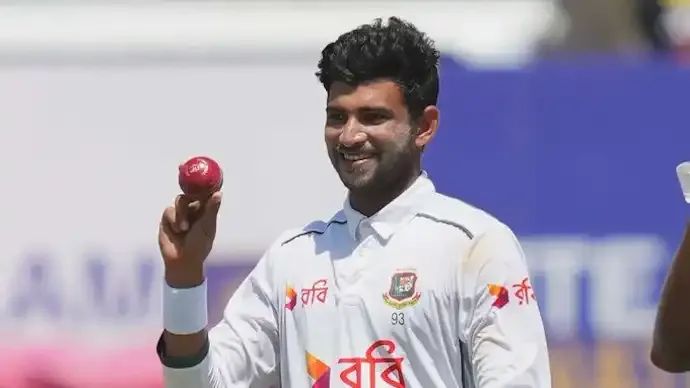
The contrast with Bangladesh’s decision to skip the T20 World Cup has reignited debate over the country’s security policy in international sports. During the lead-up to the tournament, Bangladesh had raised objections over playing its group-stage matches in cities such as Kolkata and Mumbai, citing safety concerns. The situation escalated after pacer Mustafizur Rahman was released by his Indian Premier League franchise following a directive linked to the Board of Control for Cricket in India, adding to Dhaka’s unease.
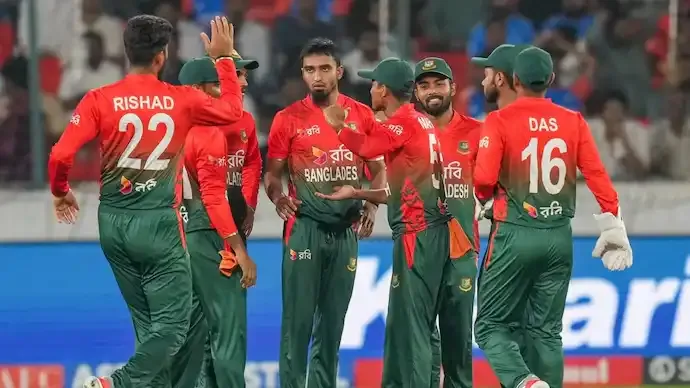
Bangladesh sought venue changes from the International Cricket Council, but after the ICC maintained that adequate security arrangements were in place, the Bangladesh government chose to withdraw from the tournament altogether. As a result, the team was replaced by Scotland in the competition.
Bangladesh’s interim government sports adviser, Asif Nazrul, had publicly criticised the ICC at the time, arguing that the country’s security concerns were not sufficiently addressed. His remarks underscored the firmness of Dhaka’s position during the cricket standoff.
However, officials now stress that the approval of the shooting team’s travel should not be seen as a reversal of policy. Instead, they describe it as a case-by-case assessment, factoring in the nature of the sport, the scale of participation, and the security environment. Reports indicate that Nazrul consulted with the Bangladesh Shooting Sport Federation before the final clearance was granted.
The Asian shooting championship, unlike the T20 World Cup, is a controlled, single-venue event with restricted access and minimal crowd interaction. Officials believe this significantly lowers the risk profile compared to a globally televised cricket tournament involving large crowds, extensive travel, and heightened public visibility.
The decision signals that Bangladesh’s security stance is not a blanket ban on sporting participation in India. Rather, it reflects a calibrated approach that distinguishes between high-risk and low-risk events. For now, the shooting team’s participation suggests that diplomatic and sporting ties remain functional, even as broader political and security considerations continue to shape decisions in marquee events.