

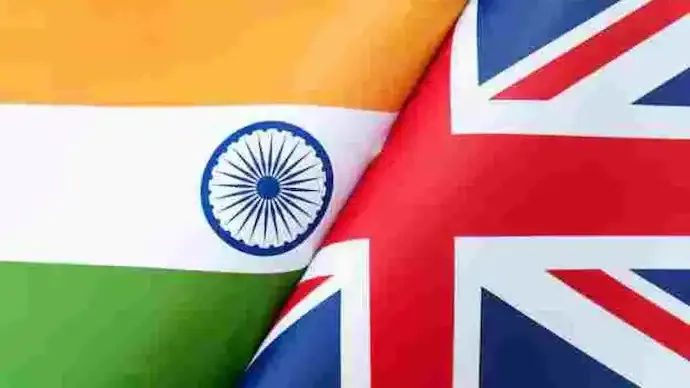

The India-UK Comprehensive Economic and Trade Agreement (CETA) officially came into force on July 15, 2026, opening new opportunities for trade between the two countries. Alongside the landmark trade pact, another agreement is set to directly benefit thousands of Indian professionals working in the United Kingdom.
The India-UK Double Contribution Convention (DCC) eliminates the burden of dual social security contributions for eligible Indian employees on temporary assignments in the UK, allowing them to continue building retirement savings in India without paying into both countries' social security systems.
For many professionals, the biggest question is whether this agreement will help increase their Employees' Provident Fund (EPF) savings.

What is the India-UK Double Contribution Convention?
The Double Contribution Convention (DCC) is a bilateral social security agreement implemented alongside the India-UK CETA.
Under the agreement, eligible Indian professionals and their employers are exempt from paying UK social security contributions during temporary assignments lasting up to five years.
Previously, many employees working in the UK had to contribute simultaneously to:
- India's EPF system
- The UK's National Insurance (social security) system
This resulted in dual contributions, even though many temporary workers did not stay in the UK long enough to qualify for long-term social security benefits.
What has changed under the new agreement?
The new DCC removes the requirement for eligible temporary workers to contribute to the UK's social security system.
Another important change is that the exemption period has increased from three years to five years, giving Indian professionals greater flexibility during overseas assignments.
The agreement applies only to employees temporarily deputed to the UK by Indian employers and does not automatically cover individuals who permanently relocate or join UK-based companies directly.
Who will benefit from the India-UK social security pact?
According to the government, the agreement is expected to benefit:
- More than 75,000 Indian professionals
- Over 900 Indian companies
The biggest beneficiaries are expected to come from sectors such as:
- Information Technology (IT)
- Consulting
- Engineering
- Financial Services
- Professional Services
These industries frequently send employees to the UK for project-based assignments lasting several months or years.
Will your EPF balance increase?
For many eligible employees, the answer is yes, although indirectly.
The agreement does not increase EPF contribution rates or introduce any additional government incentive.
Instead, it prevents eligible employees from paying into the UK's social security system during temporary assignments.
As a result:
- More of an employee's retirement savings remain within India's EPF system.
- EPF contributions continue earning interest throughout the overseas posting.
- Employees avoid losing a portion of their earnings to a foreign social security programme from which they may never receive benefits.
Over a five-year assignment, this can help build a larger retirement corpus compared to the previous system.
The actual financial benefit will depend on factors such as:
- Salary structure
- Employment contract
- Whether EPF contributions continue during the overseas assignment
Why is the agreement considered significant?
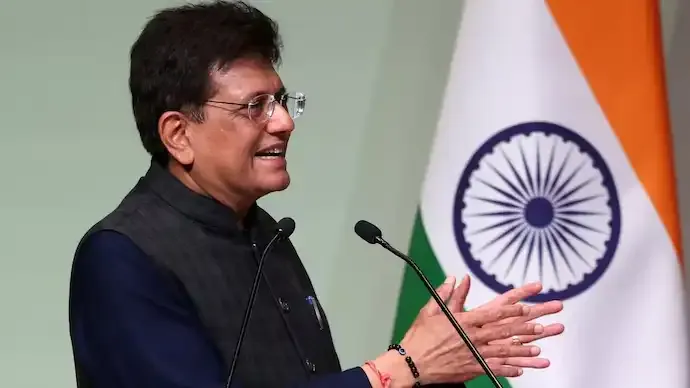
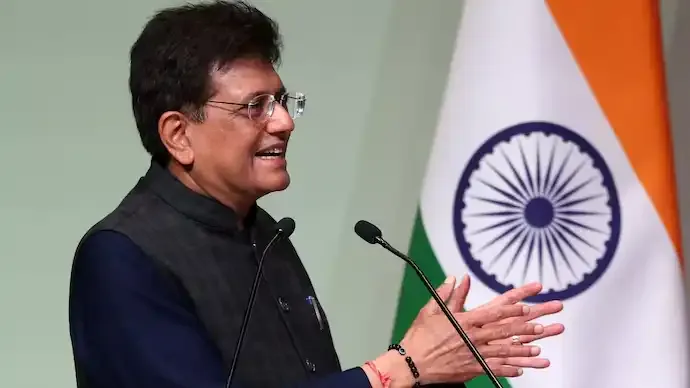
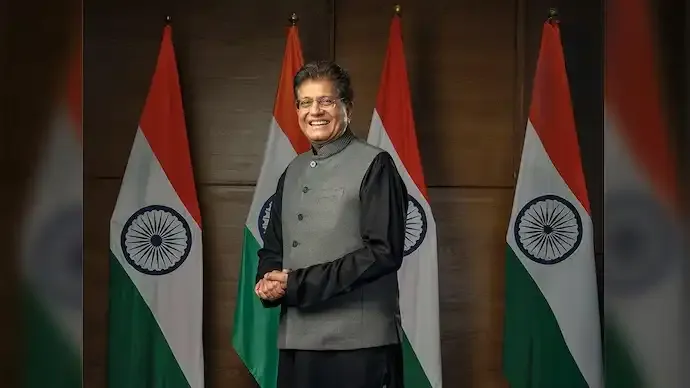
Union Commerce and Industry Minister Piyush Goyal described the agreement as a major benefit for Indian professionals working abroad.
According to the government, many employees previously contributed a substantial portion of their earnings towards UK social security without becoming eligible for long-term benefits because their assignments were temporary.
The new agreement allows eligible professionals to retain more of their earnings while continuing to build retirement savings through India's EPF system.
Apart from employees, Indian companies are also expected to benefit through lower employment costs during overseas assignments.
India-UK CETA complements the social security agreement
The social security pact comes into force alongside the broader India-UK Comprehensive Economic and Trade Agreement (CETA).
Under the trade agreement:
- Indian exporters receive duty-free access to nearly 99% of UK tariff lines.
- India will gradually reduce or eliminate tariffs on around 90% of tariff lines for British goods.
While the trade agreement focuses on commerce and market access, the Double Contribution Convention aims to improve workforce mobility and make international assignments more financially attractive for Indian professionals.
Key Highlights
- India-UK Double Contribution Convention came into effect on July 15, 2026.
- Eligible Indian professionals are exempt from UK social security contributions for up to five years.
- The exemption period has been extended from three years to five years.
- More than 75,000 professionals and 900 companies are expected to benefit.
- Employees can continue building retirement savings through India's EPF.
- The agreement reduces the burden of dual social security contributions.
- The DCC has been implemented alongside the India-UK CETA trade agreement.
FAQs
What is the India-UK Double Contribution Convention (DCC)?
It is a bilateral social security agreement that exempts eligible Indian professionals on temporary UK assignments from paying UK social security contributions for up to five years.
Will the agreement increase my EPF contribution?
No. The EPF contribution rate remains unchanged. However, employees can continue contributing to EPF without paying into the UK's social security system, helping grow long-term retirement savings.
Who is eligible for the benefit?
Indian employees temporarily deputed to the UK by their employers for assignments of up to five years are expected to benefit.
Does the agreement apply to Indians permanently settling in the UK?
No. The exemption is intended for temporary assignments and generally does not apply to individuals permanently employed by UK-based organisations.
How many people are expected to benefit?
The government estimates that over 75,000 Indian professionals and more than 900 companies will benefit from the agreement.




Conversation
Be kind and stay on topic. Comments are moderated; abuse, spam and personal attacks are removed. Report a problem