

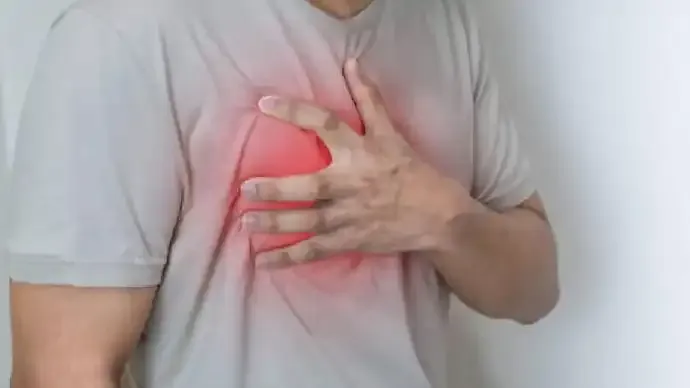

Many people believe that getting a heart stent permanently fixes heart disease. While angioplasty with stenting can restore blood flow, relieve chest pain and even save lives during a heart attack, cardiologists say it does not eliminate the risk of future heart attacks.
Experts stress that a stent treats a blocked artery but does not cure the underlying coronary artery disease, making long-term medication and lifestyle changes essential.
Does a stent prevent future heart attacks?
According to Dr Anshul Kumar Jain, Director – Cardiology at CK Birla Hospital, Delhi, a stent should be viewed as one part of treatment rather than a permanent cure.

A stent acts as a small metal scaffold that keeps a blocked artery open, restoring blood flow to the heart. However, it cannot stop plaque from building up in other arteries if underlying risk factors remain uncontrolled.
Doctors explain that coronary artery disease continues to progress unless patients actively manage conditions such as:
- High cholesterol
- Diabetes
- High blood pressure
- Smoking
- Obesity
- Unhealthy diet
- Lack of exercise
Why can a heart attack happen after a stent?
Although modern drug-eluting stents have significantly improved outcomes, another heart attack is still possible.
1. Restenosis
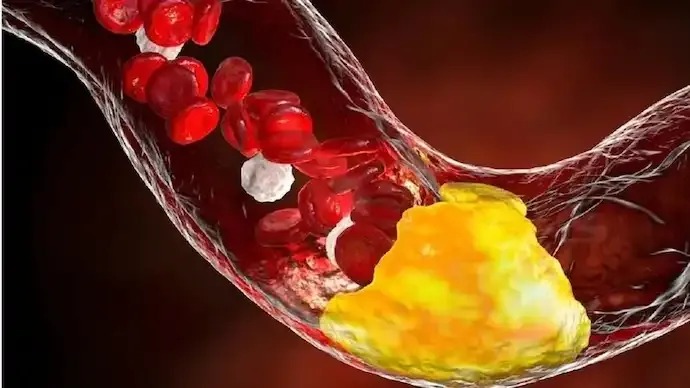
Scar tissue may gradually develop inside the stent, causing the artery to narrow again. While this is less common with newer stents, it can still occur.
2. Stent thrombosis
A blood clot can form inside the stent, a serious complication that may trigger another heart attack.
This risk increases if patients stop taking prescribed antiplatelet (blood-thinning) medications without medical advice.
3. New blockages
A stent treats only the affected artery.
Coronary artery disease is progressive, meaning new fatty deposits can develop in other arteries, increasing the risk of future cardiac events.
How can patients reduce the risk?
Cardiologists say the chances of another heart attack can be significantly reduced by following a comprehensive treatment plan.
Doctors recommend:
- Taking all prescribed medications regularly.
- Never stopping blood-thinning medicines without consulting a doctor.
- Quitting smoking completely.
- Eating a heart-healthy diet rich in fruits, vegetables and whole grains.
- Limiting saturated fats and processed foods.
- Exercising regularly after medical clearance.
- Maintaining a healthy body weight.
- Controlling diabetes, cholesterol and blood pressure.
- Attending regular follow-up appointments with a cardiologist.
These measures help protect both the stented artery and the rest of the heart.
Warning signs that should never be ignored
Even after successful angioplasty, patients should seek immediate medical attention if they experience:
- Chest pain or pressure
- Shortness of breath
- Pain spreading to the arm, jaw or back
- Excessive sweating
- Dizziness or fainting
- Persistent or unusual fatigue
Early treatment can prevent serious complications and improve survival.
Why lifestyle changes remain important
Doctors often compare coronary arteries to household plumbing.
A stent opens one blocked section of the pipe, but if unhealthy habits continue, other parts of the system can become blocked over time.
This is why experts emphasise that angioplasty is not a cure, but one component of lifelong heart disease management.
With proper medication, regular monitoring and healthy lifestyle habits, many patients continue to live long, active and healthy lives after receiving a heart stent.
Key Highlights
- A heart stent restores blood flow but does not cure coronary artery disease.
- Future heart attacks remain possible due to new blockages, restenosis or blood clots.
- Stopping prescribed blood-thinning medication significantly increases the risk of stent thrombosis.
- Managing cholesterol, blood pressure, diabetes and smoking is essential after angioplasty.
- Patients should seek immediate medical attention if they experience chest pain, breathlessness or pain radiating to the arm or jaw.
FAQs
Can you have another heart attack after getting a stent?
Yes. A stent treats a blocked artery but does not stop coronary artery disease from progressing elsewhere in the heart.
Why do heart attacks happen after a stent?
They may occur because of new arterial blockages, restenosis (re-narrowing of the stented artery) or stent thrombosis caused by blood clots.
How long should blood-thinning medicines be taken after a stent?
Patients should take antiplatelet medications exactly as prescribed by their cardiologist and should never stop them without medical advice.
What lifestyle changes are important after angioplasty?
Quitting smoking, maintaining a healthy diet, exercising regularly, controlling diabetes and blood pressure, taking medications consistently and attending follow-up appointments are all crucial.
What symptoms require emergency medical attention after a stent?
Chest pain, shortness of breath, dizziness, excessive sweating, pain radiating to the arm or jaw, and unusual fatigue should be evaluated immediately.








Conversation
Be kind and stay on topic. Comments are moderated; abuse, spam and personal attacks are removed. Report a problem