

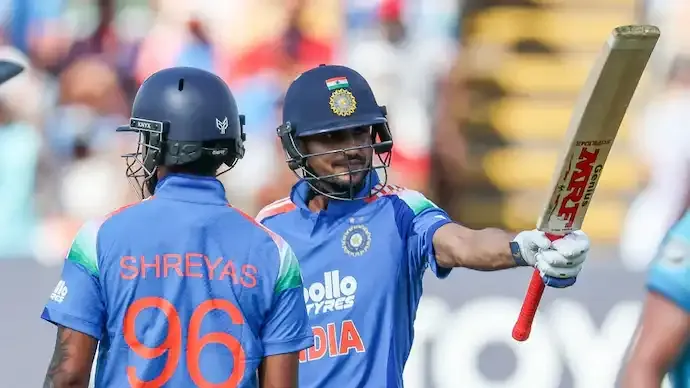

India's convincing victory over England in the opening ODI was more than just a response to a disappointing T20I series defeat. It offered the clearest indication yet that Shubman Gill's Team India is embracing a more calculated, patient style of 50-over cricket as preparations intensify for the 2027 ODI World Cup in South Africa.
Rather than relying on explosive batting from the outset, India combined disciplined bowling, tactical patience and composed batting to secure a comfortable six-wicket win while chasing 260 in Birmingham.
The performance suggested that India's white-ball philosophy is evolving once again.

A clear shift from the 2023 ODI World Cup formula
During the 2023 ODI World Cup, India played an ultra-aggressive brand of cricket under Rohit Sharma.
The approach revolved around attacking from the very first over, particularly during the powerplay. Rohit often sacrificed his wicket to give India rapid starts, while the bowling attack, led by Jasprit Bumrah and Mohammed Shami, focused on striking early to dominate opponents.
That fearless style carried India unbeaten into the World Cup final before falling short against Australia.
Three years later, India appear to be moving in a different direction.
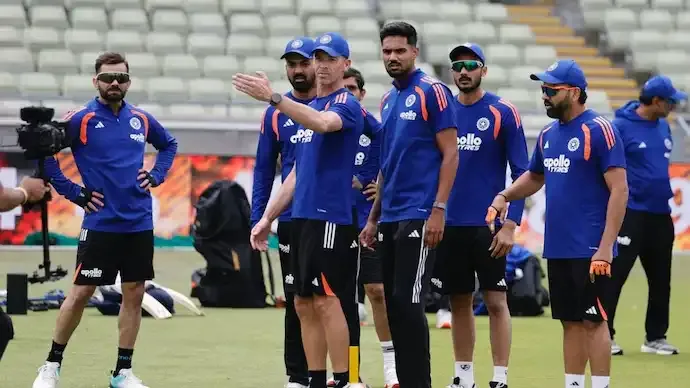
Under captain Shubman Gill and the new team management, the emphasis has shifted towards building innings, absorbing pressure and making smarter decisions based on conditions rather than attacking at every opportunity.
India's bowlers laid the foundation
The opening ODI against England showcased this tactical evolution perfectly.
Jasprit Bumrah produced an exceptional opening spell, consistently troubling England's batters even though wickets did not come immediately.
When young pacer Gurnoor Brar was attacked during his first spell, India resisted the temptation to panic. Instead, Gill backed his young fast bowler, who responded by dismissing two English batters in quick succession.
With momentum shifting, Bumrah returned to remove England captain Harry Brook, triggering a dramatic collapse that reduced England from 51 without loss to 80 for five.
Although Joe Root and Liam Dawson later rebuilt the innings with a century partnership, India's bowlers remained disciplined.
Rather than chasing wickets recklessly, the spinners focused on restricting boundaries and building pressure. The strategy eventually paid off as Axar Patel broke the partnership before India wrapped up England's innings for 259 runs.

Shubman Gill leading from the front
Gill's batting approach has become central to India's evolving ODI strategy.
The captain has consistently spoken about batting deep into the innings instead of chasing quick runs early.
His recent ODI scores underline that philosophy:
- 126
- 84*
- 154
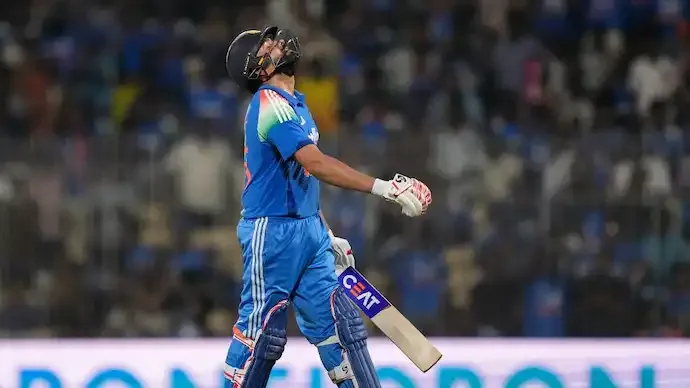
- 80* (retired hurt against England)
By staying at the crease longer, Gill believes India can maximise scoring opportunities during the final overs while reducing unnecessary risks in challenging overseas conditions.
Rohit Sharma returns to a familiar approach
India's tactical shift has also influenced Rohit Sharma's batting.
Instead of launching an immediate assault, Rohit appears to be returning to the measured approach that made him one of the world's most successful ODI batters between 2018 and 2019.
The veteran opener is now focusing on surviving the new ball, building partnerships and accelerating once settled, providing greater stability at the top of the order.
Preparing specifically for South African conditions
The change in strategy is closely linked to the conditions expected during the 2027 ODI World Cup.
Unlike the slower surfaces used during the 2023 tournament in India, South African pitches generally offer extra pace, bounce and movement, making aggressive strokeplay against the new ball considerably more difficult.
Gill acknowledged after the match that Birmingham's conditions resembled what India could face in South Africa.
He explained that testing different combinations and batting methods in such environments would help the team prepare more effectively for next year's World Cup.
A new ODI identity taking shape
India's victory in Birmingham may have been just the first match of a bilateral series, but it reflected a much broader tactical evolution.
Rather than attempting to dominate games during the opening powerplay, India are increasingly focusing on controlling matches across all 100 overs through patience, disciplined bowling and calculated batting.
Whether this measured approach proves more successful than the ultra-aggressive strategy of 2023 will only become clear during the 2027 ODI World Cup.
For now, however, India's performance against England suggests the team has found a clear direction under Shubman Gill's leadership.
Key Highlights
- India defeated England by six wickets in the first ODI.
- The victory highlighted a more patient ODI strategy under Shubman Gill.
- India's bowlers used disciplined pressure instead of constant attacking fields.
- Gill continues to build long innings, scoring 80* before retiring hurt.
- Rohit Sharma has also adopted a more measured batting approach.
- The strategy is designed to suit South African conditions ahead of the 2027 ODI World Cup.
FAQs
Why is India changing its ODI strategy?
India is preparing for the 2027 ODI World Cup in South Africa, where pitches offer more pace and bounce. The team is focusing on patience, adaptability and building longer innings.
How did India beat England in the first ODI?
India restricted England to 259 through disciplined bowling before completing the chase comfortably with six wickets remaining.
What role is Shubman Gill playing in India's new approach?
Gill is leading both tactically and with the bat, focusing on anchoring innings and batting deep into matches rather than taking unnecessary risks early.
Why has Rohit Sharma changed his batting style?
Rohit appears to have returned to a more traditional ODI approach by respecting the new ball before accelerating later, helping provide stability at the top.
Is this strategy aimed at the 2027 World Cup?
Yes. Team management believes this approach is better suited to South African conditions, where aggressive batting against the new ball can be more challenging.







Conversation
Be kind and stay on topic. Comments are moderated; abuse, spam and personal attacks are removed. Report a problem