

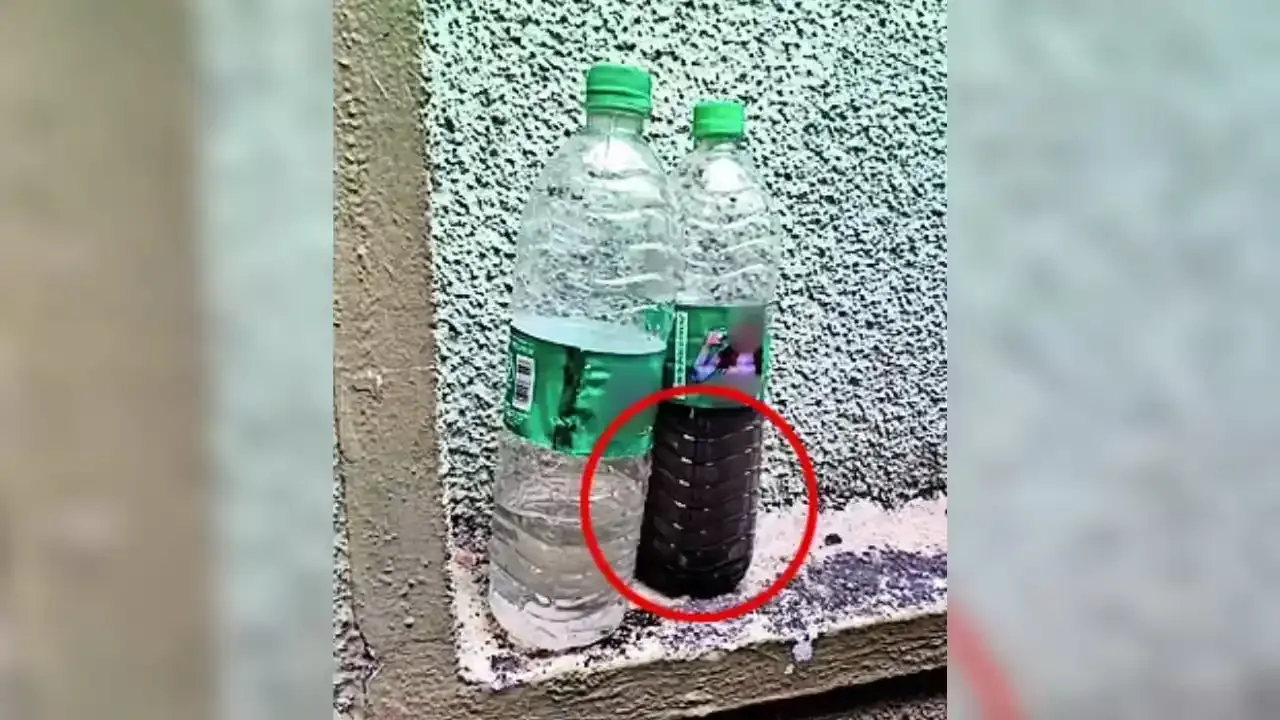

A serious public health concern has emerged in Bengaluru after sewage contamination was detected in the drinking water supply of KSFC Layout in the Lingarajapuram area. The incident has forced dozens of families to stop using municipal water, with several residents reporting illness and hospitalisation due to suspected waterborne infections.
The contamination has affected nearly 30 to 40 households in KSFC Layout, where residents say they have been relying on privately sourced water for more than a week. Many families claim the problem went unnoticed initially, as water appeared normal before residents began experiencing recurring stomach ailments, fever and vomiting.
As complaints increased, civic authorities intervened and suspended water supply to the affected pockets as a precautionary measure. Officials stated that the step was taken to prevent further exposure while investigations were launched to identify the source of contamination.

Residents allege that sewage lines running parallel to drinking water pipelines may have developed leaks, allowing wastewater to mix with potable water. Several families said they noticed foul smells and unusual colouration in tap water before falling ill. In some cases, elderly residents and children required medical treatment, heightening fears of a wider outbreak.
Local health practitioners have warned that sewage-contaminated water can carry dangerous pathogens capable of causing diseases such as gastroenteritis, typhoid and hepatitis. They stressed that even short-term exposure can pose serious risks, particularly for vulnerable populations.
The Bengaluru Water Supply and Sewerage Board confirmed that an intensive investigation is underway. Authorities have deployed advanced inspection methods, including robotic devices and manual ground staff, to trace the exact point where sewage may have entered the drinking water network. Officials said such technology allows internal examination of underground pipelines without extensive digging.
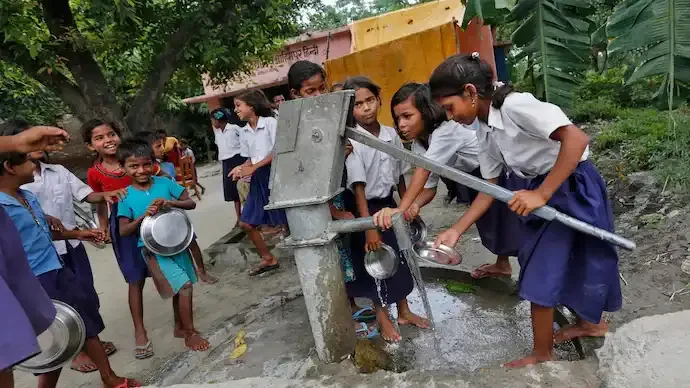
While the probe continues, affected residents remain dependent on water tankers and packaged drinking water, adding to household expenses. Many have expressed frustration over recurring infrastructure failures, alleging that ageing pipelines and delayed maintenance have left residential areas vulnerable to repeated contamination incidents.
Civic officials said emergency chlorination and pipeline flushing will be undertaken once the contamination source is identified and sealed. Water samples from the locality have been sent for laboratory testing, and supply will only be restored after authorities are satisfied that safety standards are met.
Urban planners and public health experts say the KSFC Layout incident highlights broader challenges facing Bengaluru’s water infrastructure. Rapid urbanisation, overlapping sewage and water pipelines, and delayed upgrades have increased the risk of cross-contamination, especially in older neighbourhoods.
They have called for comprehensive mapping of underground utilities, routine inspection using modern technology, and stricter accountability mechanisms to prevent similar crises in the future. Experts also recommend transparent communication with residents, including timely alerts and access to test reports, to maintain public trust during such emergencies.
For now, residents of KSFC Layout continue to wait for a permanent resolution as authorities work to contain the health risk. The episode has once again drawn attention to the fragile state of urban water safety and the urgent need for systemic reforms to ensure clean and reliable drinking water in India’s fast-growing cities.







Conversation
Be kind and stay on topic. Comments are moderated; abuse, spam and personal attacks are removed. Report a problem