



A severe drinking water contamination crisis has come under renewed scrutiny after a central government report revealed that over one-third of water samples collected from rural areas of Madhya Pradesh were found unfit for human consumption. The findings have gained urgency following at least 10 reported deaths linked to contaminated water in Indore, raising serious questions about administrative oversight and public health safeguards.
According to the report, accessed during a television investigation, 36.7 per cent of drinking water samples tested in rural Madhya Pradesh failed to meet safety standards. The data points to widespread contamination, including faecal matter, posing long-term health risks to millions dependent on groundwater and surface water sources.
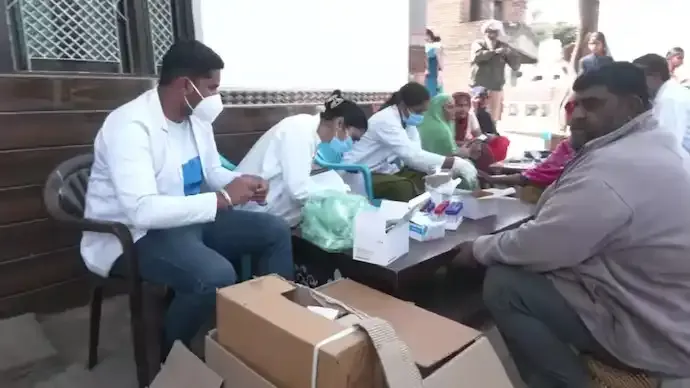
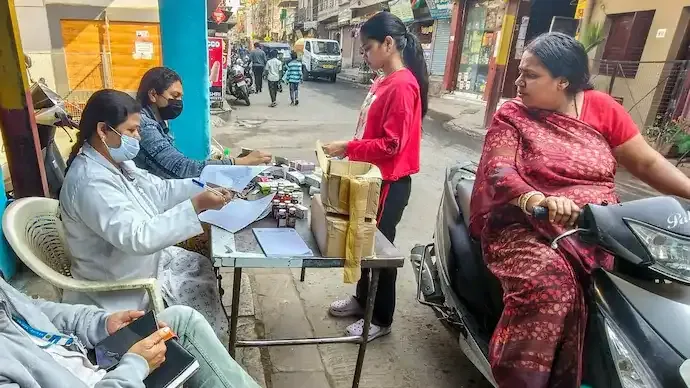
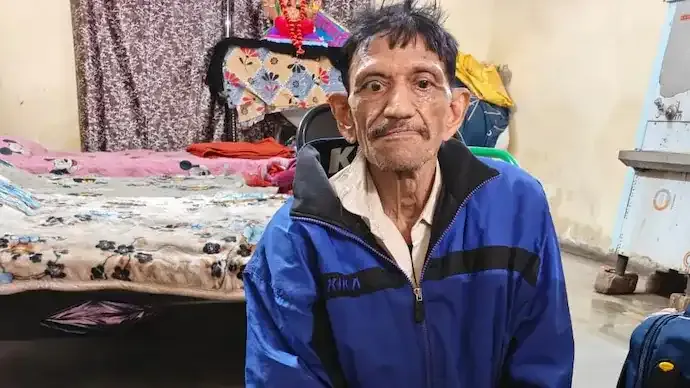
The immediate focus of concern has been Bhagirathpura, where residents reported falling ill after consuming water supplied for daily use. The deaths have triggered panic among locals and prompted emergency responses, including medical camps and temporary water supply arrangements. However, questions remain over whether these measures address the root of the crisis.

Investigative findings indicate that warnings about water contamination were raised as early as 2016. Records show that at least 58 locations across the state had been flagged for faecal contamination nearly a decade ago, yet corrective action was either delayed or insufficient. Experts say such prolonged inaction may have allowed contamination levels to worsen over time.
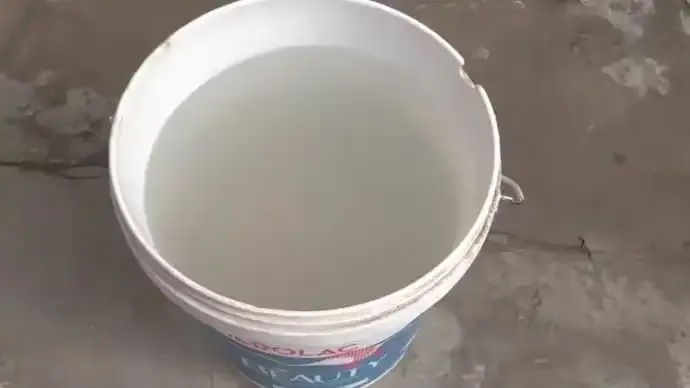
Officials have maintained that the water supplied to affected areas is safe and that remedial steps are underway. However, on-ground assessments have contradicted these assurances. During the investigation, visibly dirty water allegedly drawn from the Narmada River—the primary water source for large parts of the region—was shown as evidence of contamination, raising doubts about treatment and filtration processes.
Public health specialists warn that waterborne contamination, especially involving faecal matter, can lead to outbreaks of diseases such as cholera, dysentery, typhoid and hepatitis. Children, the elderly and those with compromised immunity are particularly vulnerable. The situation in Indore, they say, may be symptomatic of a much larger systemic failure in rural water management across the state.
The revelations have also sparked political and administrative accountability debates. Opposition leaders have demanded an independent audit of water infrastructure projects and a transparent disclosure of contamination data. They argue that repeated claims of safe drinking water are meaningless unless backed by real-time testing and publicly accessible reports.
Government agencies, meanwhile, have stated that relief work is ongoing, including flushing pipelines, chlorination drives and increased testing. Water tankers have been deployed in some affected areas, though residents claim supply remains inconsistent.
Environmental experts point out that rapid urbanisation, untreated sewage discharge, industrial effluents and declining groundwater levels have all contributed to the deterioration of water quality in central India. They stress that unless long-term investments are made in sewage treatment, source protection and monitoring systems, similar crises will continue to emerge.
The Indore water tragedy has once again highlighted the fragile state of drinking water safety in rural India. As investigations continue and more test results emerge, the central report’s findings are expected to intensify pressure on authorities to move beyond short-term fixes and implement structural reforms to prevent future loss of life.





Conversation
Be kind and stay on topic. Comments are moderated; abuse, spam and personal attacks are removed. Report a problem