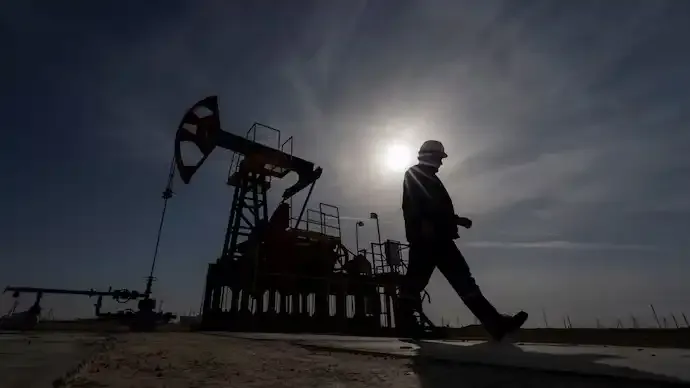
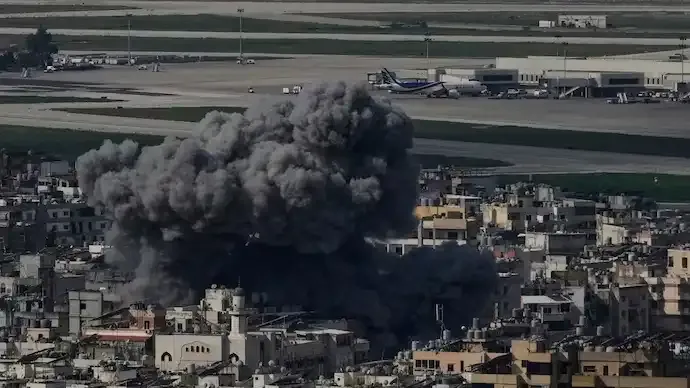
Global oil markets have entered another phase of volatility as Brent crude oil prices surged above $100 per barrel, driven by escalating geopolitical tensions and growing concerns about disruptions to global energy supply routes.
The latest spike in crude prices comes amid rising tensions in West Asia and reports of attacks on oil tankers operating near the Persian Gulf. These developments have raised fears that shipping routes used to transport crude oil from the Middle East could face further disruptions if the conflict spreads.
Energy markets are highly sensitive to risks affecting oil transport, and even isolated incidents involving tanker attacks can quickly trigger price spikes. Traders and investors worry that any disruption in the flow of crude oil could tighten global supply and push prices even higher.
Tanker Attacks Raise Global Supply Concerns
Oil prices jumped sharply after two tanker vessels were reportedly attacked in Iraqi waters near the Persian Gulf. The incident has heightened concerns about the safety of maritime trade routes used for transporting oil from major producing countries to global markets.
Shipping routes in the Gulf region handle a large share of the world’s oil exports. When attacks occur in these waters, markets react quickly because the risks of supply disruption increase significantly.
Analysts say the attacks have also amplified fears that commercial ships and energy cargoes could become targets if geopolitical tensions escalate further.
Strait of Hormuz Remains Key Global Oil Chokepoint
Another major concern for energy markets is the security of the Strait of Hormuz, one of the most critical oil transit routes in the world. Nearly 20 percent of global oil supply passes through this narrow waterway connecting the Persian Gulf to international shipping lanes.
Any disruption or closure of this route could dramatically impact global oil supply and drive prices higher. Because of its strategic importance, the strait remains a focal point for energy markets whenever regional tensions rise.
Why Emergency Oil Release Has Not Calmed Markets
In response to rising prices, the International Energy Agency announced the release of crude oil from emergency reserves in an effort to stabilise global markets.
However, analysts believe the move has had only a limited impact so far. The reason is that oil from strategic reserves enters the market gradually, while geopolitical risks affecting shipping routes and production are immediate.
This mismatch between short-term supply threats and slower emergency supply has kept oil markets volatile.
Impact on Global Markets and Investors
Rising crude prices are also affecting financial markets around the world. Higher oil prices typically increase production costs, transportation expenses and inflation pressures.
For countries such as India, which rely heavily on imported crude oil, sustained high prices can significantly increase the national import bill and put pressure on economic growth.
Market experts say geopolitical uncertainty and rising oil prices are currently acting as major external headwinds for investors. Foreign investors have turned cautious, while global markets remain sensitive to developments in the Middle East.
What Happens if Oil Stays Above $100
If crude oil prices remain above $100 per barrel for a prolonged period, it could lead to higher fuel prices worldwide and increase costs for industries dependent on energy.
Transportation, manufacturing and logistics sectors are particularly vulnerable to prolonged high oil prices. In addition, inflationary pressure could rise in many economies if fuel and energy costs remain elevated.
For now, global energy markets remain closely focused on developments in West Asia. Any escalation in conflict or disruption to major oil shipping routes could further influence crude prices and global economic stability.
Prev Article
Iran Conflict Raises Insurance Costs for Indian Airlines, Airfares May Increase
Next Article
Banks Close Branches in Gulf After Iran Warns Civilians to Stay Away from Financial Centers