
Iran Conflict Raises Insurance Costs for Indian Airlines, Airfares May Increase

Iran Conflict Raises Insurance Costs for Indian Airlines, Airfares May Increase

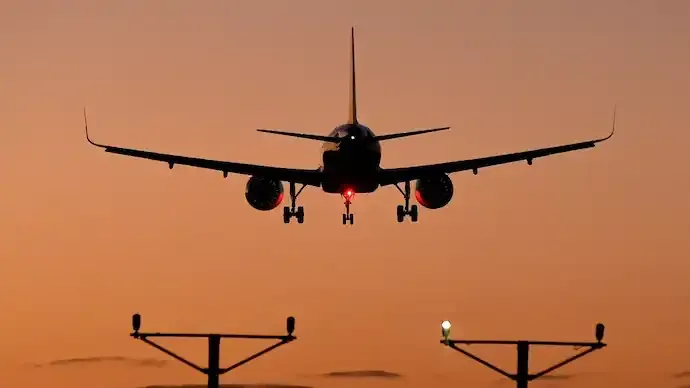
Escalating tensions in the Middle East are beginning to affect India’s aviation sector, as airlines face a significant rise in insurance costs due to the ongoing conflict involving Iran. Industry insiders say the situation has led insurers to impose additional war risk premiums on flights entering or passing through Middle Eastern airspace.

These extra insurance charges are increasing operational expenses for airlines operating routes to the Gulf region, and aviation experts warn that the higher costs may eventually lead to increased airfares for passengers traveling on these routes.

According to industry sources, insurers are now charging a special premium for every aircraft flying to destinations across the Middle East. The move reflects growing security concerns in the region as geopolitical tensions continue to rise.

Reports indicate that a major Indian airline group is currently paying nearly ₹30 lakh for each round trip operated by a narrow-body aircraft on Middle East routes. This additional cost is purely related to insurance coverage that protects aircraft and passengers against risks associated with conflict zones.

The new charges apply to flights operating to several Gulf destinations, including countries such as United Arab Emirates, Qatar, Oman, and Saudi Arabia, which are among the busiest international routes for Indian airlines.

Airlines rely heavily on these routes because millions of Indian workers and travelers regularly fly between India and Gulf nations for employment, business and tourism. As a result, any rise in operating costs on these sectors directly impacts airline profitability and passenger ticket prices.

Industry experts say war risk insurance premiums typically increase whenever geopolitical tensions threaten aviation safety in specific regions. Insurance companies reassess risk exposure and charge airlines additional premiums to cover potential damage or losses arising from conflict-related incidents.

Indian airlines are now reportedly seeking support from the government to help manage the financial pressure created by the sudden spike in insurance costs. Airlines have suggested that regulatory support or temporary measures may be needed to ensure that international connectivity remains stable.

The aviation sector has already been facing challenges such as fluctuating fuel prices, currency volatility and rising maintenance costs. The latest increase in insurance premiums adds another layer of financial pressure on airline operators.

If the conflict in the Middle East continues or intensifies, aviation analysts warn that airlines may be forced to either absorb the additional costs or pass them on to passengers through higher ticket prices.

For travelers, this could mean more expensive flights to Gulf destinations in the coming months. However, aviation authorities and airlines are closely monitoring the situation and evaluating possible measures to maintain operations while ensuring passenger safety.

As geopolitical tensions continue to affect global transportation networks, the aviation industry remains sensitive to regional conflicts that can quickly reshape travel costs and airline operations.

Prev Article
India Strengthens Energy Security with Strategic Oil Reserves Amid Iran War
Next Article
Brent Crude Crosses $100: Rising Tensions and Tanker Attacks Push Oil Prices Higher

Related to this topic: