

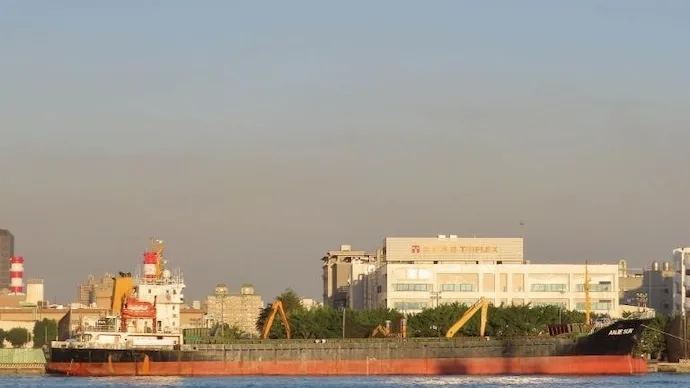

Indonesian naval authorities have seized a cargo vessel travelling from China to Bangladesh carrying 405 tonnes of sodium perchlorate, a chemical used in rocket and missile propellants. The shipment, which also contained millions of unregistered SIM cards, has triggered questions about the intended use of the cargo and the identity of its Bangladeshi recipient.
The vessel, MV Star Lines, flying the Comoros flag, was travelling from Lianyungang Port in China to Mongla Port in Bangladesh when it was intercepted in Indonesian waters near Belawan, North Sumatra, on November 7.
According to reports by Bangladeshi media outlets, the Indonesian Navy disclosed the seizure during a press briefing on November 20 at its Regional Command I headquarters in Belawan. The vessel had reportedly been scheduled to reach Mongla Port on November 8.

Why Did Indonesia Intercept the Vessel?
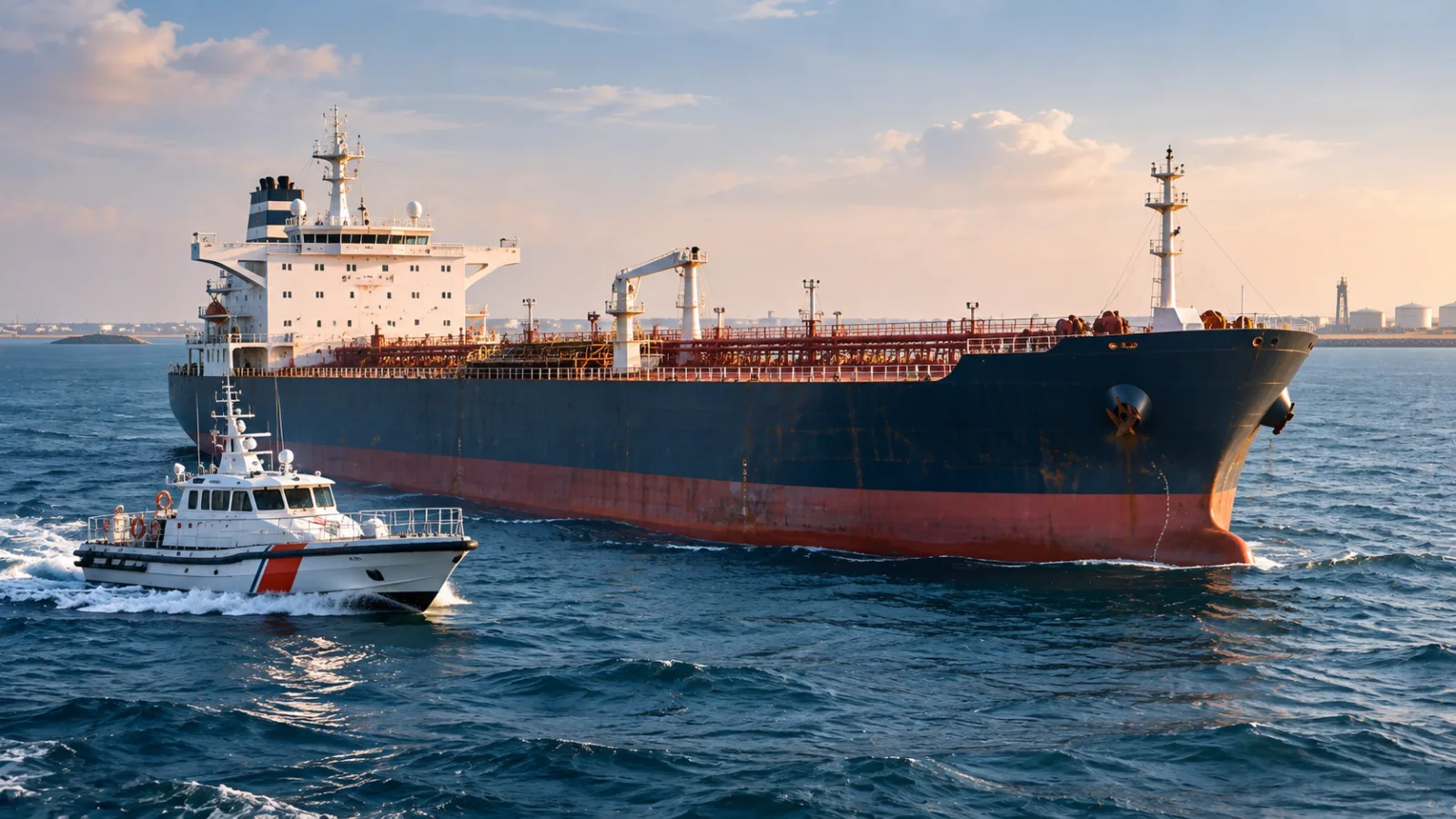
Indonesian naval personnel reportedly became suspicious after detecting unusual movements by the ship, including an unscheduled stop in Belawan waters. The patrol vessel KRI Sigalu-857 intercepted MV Star Lines after identifying irregular navigation patterns.
The crew allegedly failed to respond to radio communications, prompting naval personnel to inspect the vessel. Investigators are also examining allegations that the ship switched off its Automatic Identification System (AIS), which allows authorities to monitor a vessel's location and movement.
What Was Found Inside the Ship?
An inspection of the vessel's 36 containers reportedly revealed that 15 contained 405 tonnes of sodium perchlorate. Authorities also discovered 54 pallets carrying millions of unregistered blank 4G LTE SIM cards.
Sodium perchlorate is a powerful oxidising chemical used in industrial applications and the production of rocket and missile propellants. It is not itself an explosive or rocket fuel, but it can support combustion.
Rear Admiral Deny Septian, commander of Indonesian Navy Regional Command I, reportedly said that the seized quantity could potentially support the manufacture of up to 100 missiles.
Why Has the Shipment Raised Questions in Bangladesh?
Bangladesh has a domestic defence industry that produces ammunition and small arms. However, its reported lack of infrastructure for manufacturing certain types of rockets and missiles has raised questions about the intended destination and purpose of such a large chemical consignment.
The identity of the Bangladeshi importer and the final recipient of the material has not been publicly established in the reports cited. Indonesian authorities are examining the cargo documents, crew details and shipping arrangements.
Vessel Registration and Shipping Documents Under Investigation
The ship's registration documents have also attracted scrutiny. Reports indicate discrepancies between the registration validity stated in its documents and its status in official records, which was reportedly listed as suspended.
Indonesian authorities are additionally investigating possible violations of shipping regulations, including deficiencies involving life-rafts, fire extinguishers and rescue boats.
The investigation is ongoing, and authorities have yet to publicly identify the cargo owners or the company responsible for the shipment.
Why Does Mongla Port Matter to India and China?
The seizure has also drawn attention to Mongla Port's growing strategic importance in the Bay of Bengal region.
India secured access to Mongla and Chattogram ports under agreements signed in 2015 and 2018 to facilitate the movement of goods to and from its northeastern states. India also financed the Khulna-Mongla railway line to improve regional connectivity.
China has expanded its economic presence around the port as well. In June 2026, Bangladesh signed an agreement with China Civil Engineering Construction Corporation to develop an economic zone on 110 acres near Mongla. China has also extended a loan of approximately $336 million for the port's expansion and modernisation.
The seizure has put the spotlight on a cargo movement involving sensitive industrial chemicals, maritime security and regional trade. However, the investigation has yet to establish whether the shipment was connected to any military programme or its ultimate intended use.





Conversation
Be kind and stay on topic. Comments are moderated; abuse, spam and personal attacks are removed. Report a problem