
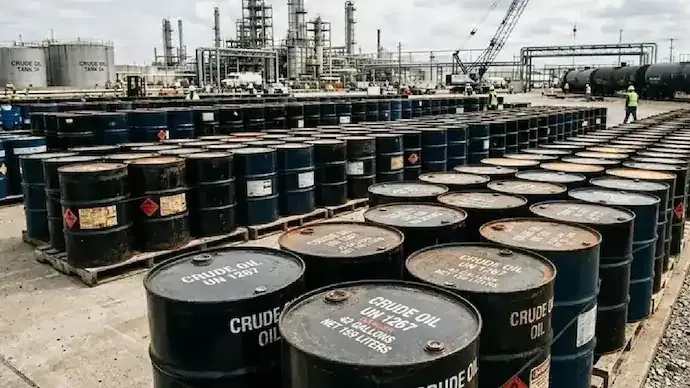
Crude oil prices have crossed $115 per barrel and are continuing to rise, surprising global markets that had expected a cooling trend. Just days earlier, optimism around easing geopolitical tensions had pushed prices below $100, offering hope of stability.
However, that relief has proven short-lived. Prices have rebounded sharply and are now approaching the $120 mark, reflecting deeper concerns in global energy markets.
Geopolitical Tensions Driving the Surge
The primary reason behind the surge is the ongoing conflict in West Asia, which has entered a prolonged and more intense phase. Instead of de-escalating, the situation has expanded, with increased military activity and involvement from multiple players.
This has shifted market sentiment from short-term disruption to long-term uncertainty, causing sustained upward pressure on oil prices.
Strait of Hormuz: A Critical Risk Point
A major concern for global markets is the Strait of Hormuz, one of the most important oil transit routes in the world. Nearly one-fifth of global oil supply passes through this narrow channel.
Any disruption, delay, or even perceived threat in this region can immediately impact global supply. Even without a complete shutdown, factors like increased shipping costs, insurance premiums, and rerouting are already affecting oil movement.
Supply-Side Fears, Not Demand
Unlike typical price increases driven by rising demand, the current surge is largely due to supply-side risks. There has been no significant increase in global oil consumption.
Instead, markets are reacting to uncertainty and potential disruptions. When fear drives prices rather than demand, volatility tends to remain high and unpredictable.
Limited Global Supply Cushion
Another important factor is the limited spare capacity in global oil production. With little buffer available, even minor risks to supply can trigger sharp price increases.
Attempts to stabilise the market, such as releasing strategic reserves or diplomatic interventions, have not led to sustained price corrections. This indicates that markets are still pricing in uncertainty rather than stability.
Impact on Global Markets
The rise in oil prices is already affecting global financial systems. Equity markets have become volatile, currencies are under pressure, and inflation concerns are returning.
Higher energy costs have a ripple effect across industries, increasing production and transportation expenses worldwide.
What It Means for India
For India, the impact is particularly significant due to its heavy dependence on oil imports, which account for nearly 85–90% of its needs. Rising crude prices increase the country’s import bill and put pressure on the rupee.
This leads to higher fuel prices, increased transportation costs, and overall inflation. As a result, both businesses and consumers feel the economic strain.
What to Expect Next
Looking ahead, oil prices are likely to remain elevated as long as geopolitical tensions persist. If the situation worsens or begins to disrupt actual supply, prices could move beyond $120 per barrel.
Even in the case of de-escalation, a sharp decline in prices may not happen immediately due to the existing risk premium in the market.
Markets Remain on Edge
The current scenario is not just about rising prices but about their resistance to decline. This shift has kept global markets cautious and uncertain.
As long as instability continues in key oil-producing regions, crude prices are expected to stay high, maintaining pressure on economies worldwide.




Conversation
Be kind and stay on topic. Comments are moderated; abuse, spam and personal attacks are removed. Report a problem