



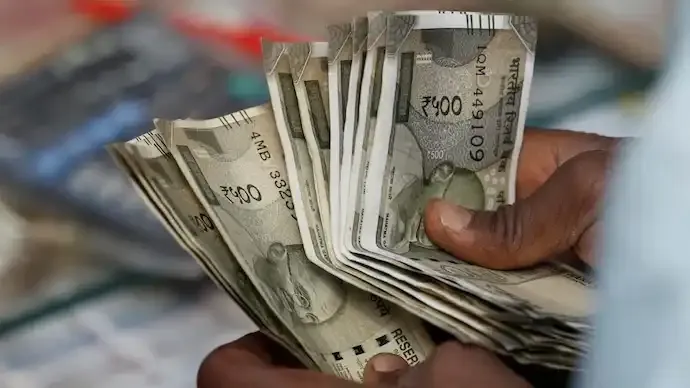
The Indian rupee has weakened beyond the 95 mark against the US dollar for the first time, reaching a record low of 95.20. The currency declined by around 0.3% during the trading session, reflecting continued pressure from global and domestic factors.
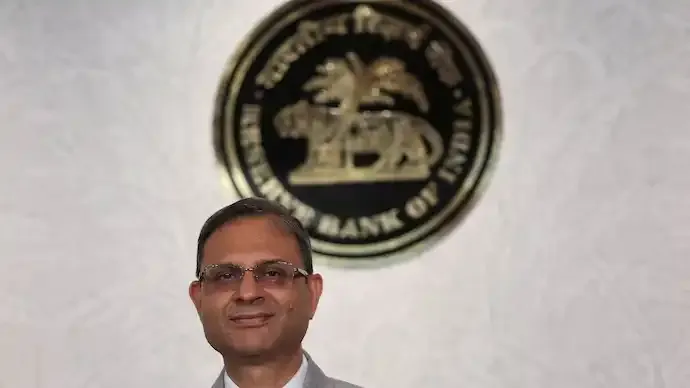
This fall comes despite recent measures by the Reserve Bank of India (RBI) aimed at stabilising the currency market.
RBI Measures Provide Limited Relief
In an attempt to control volatility, the RBI introduced new restrictions on banks’ foreign exchange positions. Banks have been directed to cap their net open rupee positions at $100 million by the end of each business day.

The directive is intended to reduce speculative trading and limit excessive fluctuations in the currency market. Banks have been given time until April 10 to comply with these rules.
While the move briefly supported the rupee, it has not been enough to counter the broader market pressures.
Arbitrage Trades and Market Dynamics
The RBI’s decision is expected to lead banks to unwind arbitrage positions involving differences between onshore and non-deliverable forward (NDF) markets.
In recent weeks, volatility had increased due to widening spreads between these markets. These trades, estimated to be worth between $25 billion and $50 billion, contributed to fluctuations in the rupee.
As banks adjust their positions, some short-term movement in the currency market is expected.
Foreign Outflows Add Pressure
One of the key reasons behind the rupee’s decline is sustained foreign portfolio outflows. Global investors have been pulling funds out of emerging markets amid rising uncertainty and risk aversion.
India has not been immune to this trend, with capital outflows putting additional pressure on the currency.
Impact of Rising Oil Prices
Higher crude oil prices have further weakened the rupee. As a major importer of oil, India faces increased import costs when global prices rise.
This leads to a widening current account deficit, which in turn puts downward pressure on the domestic currency.
Equity Markets Also Under Stress
The decline in the rupee has been accompanied by weakness in equity markets. The Nifty 50 index dropped around 2% during the day, reflecting negative investor sentiment.
The market is also on track for one of its worst monthly performances in recent years, highlighting the broader economic concerns.
Worst Monthly Performance in Years
The rupee has fallen more than 4% during March, marking its steepest monthly decline in over seven years. This sharp drop indicates the intensity of the pressures currently affecting the currency.
What Lies Ahead
Analysts believe that the rupee may remain under pressure in the near term unless there is a significant easing in global oil prices or a reversal in foreign fund outflows.
With global uncertainty continuing and energy prices staying elevated, the currency is likely to remain volatile.







Conversation
Be kind and stay on topic. Comments are moderated; abuse, spam and personal attacks are removed. Report a problem