



When Raj Kapoor released Satyam Shivam Sundaram in 1978, he famously justified its provocative marketing with a wry defence: audiences might enter theatres for Zeenat Aman’s sensual imagery, but they would leave remembering his philosophical message about inner beauty. The strategy worked. What appeared to be titillation on the surface masked a deeper thematic intent.
Nearly five decades later, Dhurandhar appears to deploy a strikingly similar strategy — albeit unintentionally and in reverse.
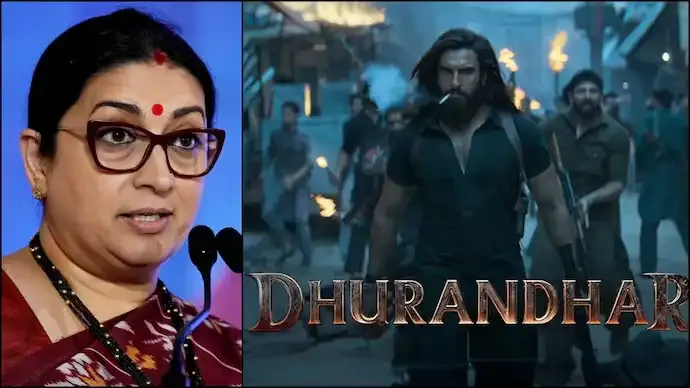
Aditya Dhar’s film is being consumed as an overtly nationalist, anti-Pakistan spy thriller. Its pitch is clear and aggressive: Indian operatives infiltrate Pakistan’s criminal underworld, dismantle terror networks linked to 26/11, and deliver brutal retribution. The narrative offers a visceral catharsis, and audiences have responded with enthusiasm, cheering the humiliation of the enemy and celebrating the invincible Indian hero.

Yet, once viewers step out of theatres, the cultural aftertaste tells a very different story.
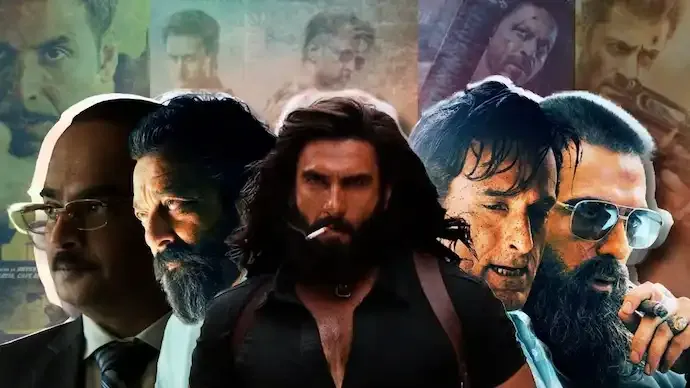
Social media timelines are dominated not by the victorious Indian agent, but by Akshaye Khanna’s portrayal of Rehman Dakait — the Pakistani gangster positioned as the embodiment of evil. His slow-motion entry, razor-sharp dialogue, unflinching menace and stylised brutality have turned him into the film’s most talked-about figure. Fan edits, memes and viral reels celebrate his “sigma aura,” transforming the villain into a pop-culture obsession.
The irony is hard to miss. Audiences arrive to consume an anti-Pakistan fantasy, but leave fixated on its most charismatic Pakistani character.
This inversion echoes Raj Kapoor’s formula — only flipped. Instead of using surface appeal to smuggle philosophy, Dhurandhar uses ideological rage as bait, only for cinematic craft to hijack audience attention.
Cinema history offers plenty of precedents. Heath Ledger’s Joker eclipsed Batman. Gabbar Singh outlived Sholay’s moral messaging. From Bhiku Mhatre to Bobby Deol’s Animal persona, Indian cinema has repeatedly seen villains become cultural icons. The reason is simple: antagonists often receive the sharpest writing, the most layered psychology and the strongest visual design.
Rehman Dakait fits squarely into that tradition. Khanna’s performance lends the character a chilling confidence and unsettling composure that captivates viewers, irrespective of the film’s ideological framing. The result is a paradox where audiences can cheer anti-Pakistan rhetoric while simultaneously admiring its most vivid Pakistani figure — without experiencing moral discomfort.
This contradiction reveals something deeper about contemporary spectatorship. For many viewers, Dhurandhar functions less as a political statement and more as a spectacle. The emotional rush of performance, style and character overwhelms ideological intent. Craft trumps messaging.
In that sense, the film’s cultural impact may extend far beyond what its makers anticipated. By creating a villain compelling enough to dominate discourse, Dhurandhar unintentionally exposes the limits of agenda-driven storytelling. When charisma and performance collide with ideology, audiences often choose the former.
Which brings us back to Raj Kapoor’s old question — slightly reworded for today:
Are audiences drawn by the message, or by the magnetism of what’s placed before their eyes?
And when the bait becomes the memory, does the message still matter?





Conversation
Be kind and stay on topic. Comments are moderated; abuse, spam and personal attacks are removed. Report a problem