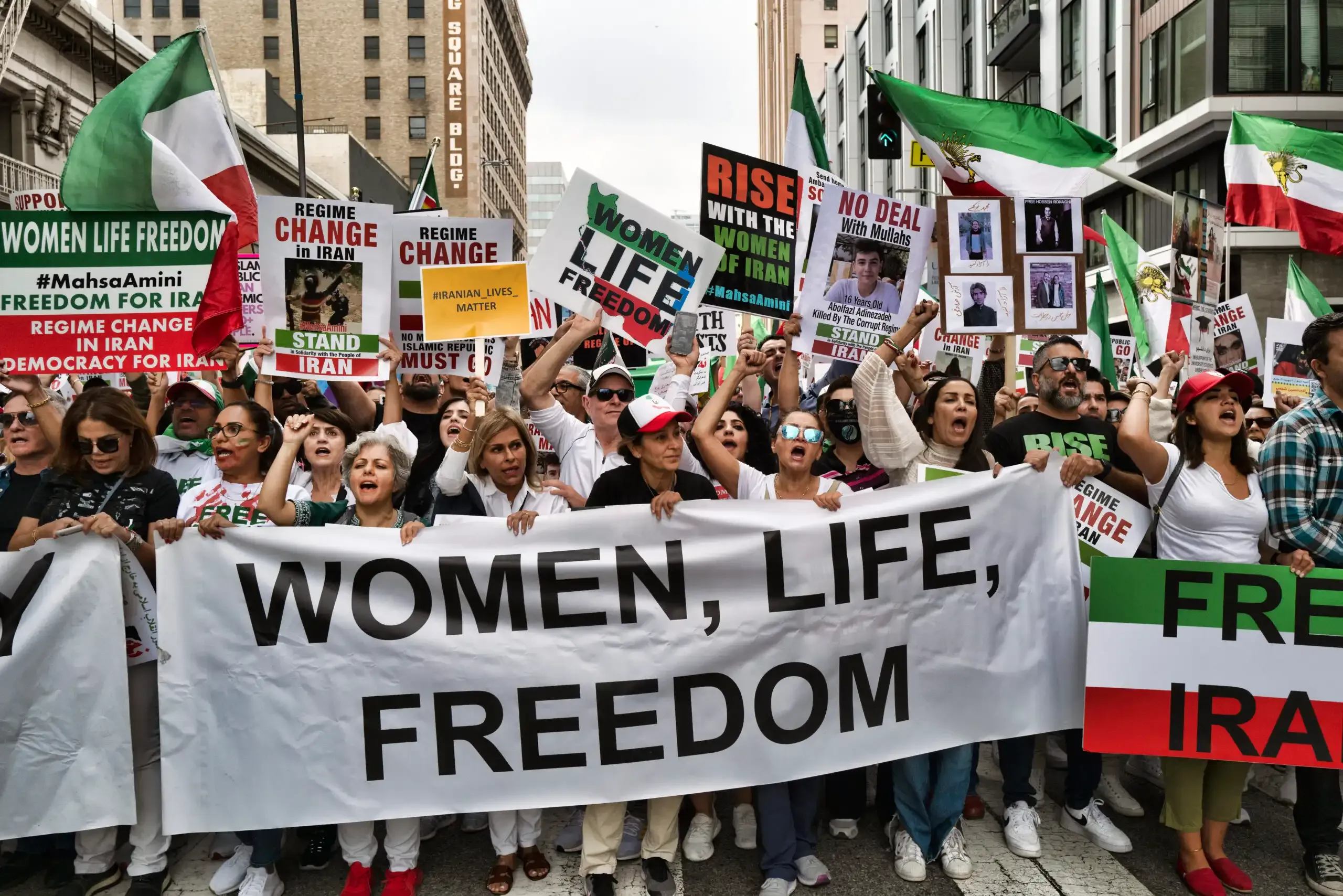
Fresh reports suggest that Iran’s clerical leadership under Ayatollah Ali Khamenei may have relied heavily on foreign Shia militias to brutally suppress the recent wave of nationwide protests, raising serious questions about the scale and nature of the crackdown. According to multiple intelligence and media reports, nearly 5,000 Arabic-speaking fighters from Iraq were allegedly brought into Iran under the guise of religious pilgrims to help crush anti-regime demonstrations.
The alleged deployment of foreign fighters coincided with a sharp spike in protester deaths across Iran, followed by a sudden lull in demonstrations, particularly in Tehran, where no major protests have been reported in recent days. Rights groups and residents have described the calm as the result of extreme fear rather than reconciliation.
Thousands Allegedly Entered Iran as ‘Pilgrims’
According to a report by CNN, citing a European military source and an Iraqi security official, nearly 5,000 Iraqi Shia militia members crossed into Iran in recent weeks through southern border points in Maysan and Wasit provinces. Another assessment confirmed that at least 800 fighters entered from Iraqi provinces including Diyala, Basra, and Maysan, travelling under the pretext of religious pilgrimages.
These fighters are believed to belong to Iran-aligned groups such as Kataib Hezbollah, Harakat Hezbollah al-Nujaba, Kataib Sayyid al-Shuhada, and the Badr Organization. All of these groups operate under Iraq’s Popular Mobilisation Forces umbrella and are closely aligned with Tehran.
Strategy to Prevent Defections
European military assessments cited in the reports suggest that the use of foreign militias was a calculated strategy to prevent Iranian security personnel from fraternising with protesters. Human rights organisations have claimed that several Iranian security members refused to fire on civilians and were subsequently detained, prompting the regime to outsource repression to loyal external forces.
Observers say Iran’s own forces were under strain after recent regional conflicts and internal fatigue, making the leadership more dependent on hardened foreign fighters willing to act without restraint.
Eyewitness Accounts and Border Movements
Earlier reports from the Iran-Iraq border described dozens of buses filled with young men dressed uniformly in black crossing into Iran. Officials noted the absence of families or elderly pilgrims, reinforcing suspicions that these were organised militia deployments rather than religious travellers.
By mid-January, these movements reportedly coincided with a surge in violence across more than 600 locations in all 31 Iranian provinces, according to rights groups monitoring the unrest.
Death Toll and Silenced Streets
Casualty figures remain disputed, but human rights organisations estimate that over 3,000 people may have been killed during the crackdown. Some reports place the toll above 2,600, while others suggest even higher numbers.
Residents quoted by international media said protests have largely stopped due to fear, with armed personnel, drones, and heavy patrols dominating city streets. Sporadic unrest has been reported, but the mass demonstrations that shook Iran in late December appear to have been forcibly quelled.
Opposition and Rights Groups Sound Alarm
Iranian opposition figures and journalists have warned that the presence of foreign militias marks a dangerous escalation. They argue that the alleged outsourcing of violence against citizens represents a new and alarming phase of repression.
Rights groups say independent verification remains difficult due to restrictions on media and internet access, but multiple sources point to the same conclusion: the protests may have been crushed not by reconciliation, but by overwhelming and brutal force.
Unanswered Questions
Iranian authorities have not officially acknowledged the presence of foreign militias on Iranian soil. However, the convergence of reports from intelligence sources, rights organisations, and eyewitness accounts has intensified international scrutiny.
While the streets remain quiet for now, analysts warn that underlying anger and economic distress persist, suggesting that the apparent calm may be temporary. The alleged use of foreign fighters to suppress dissent has only deepened questions about legitimacy, sovereignty, and the future stability of the Iranian state.