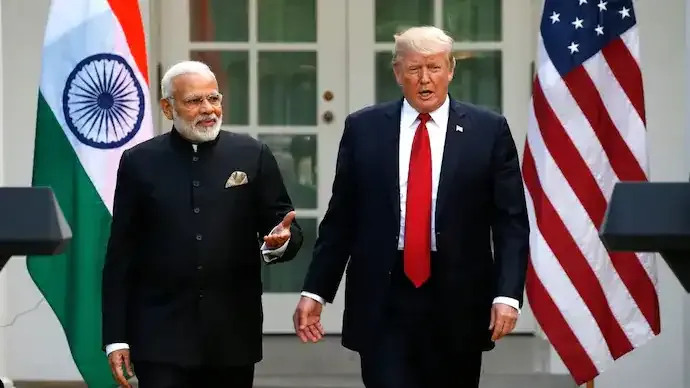
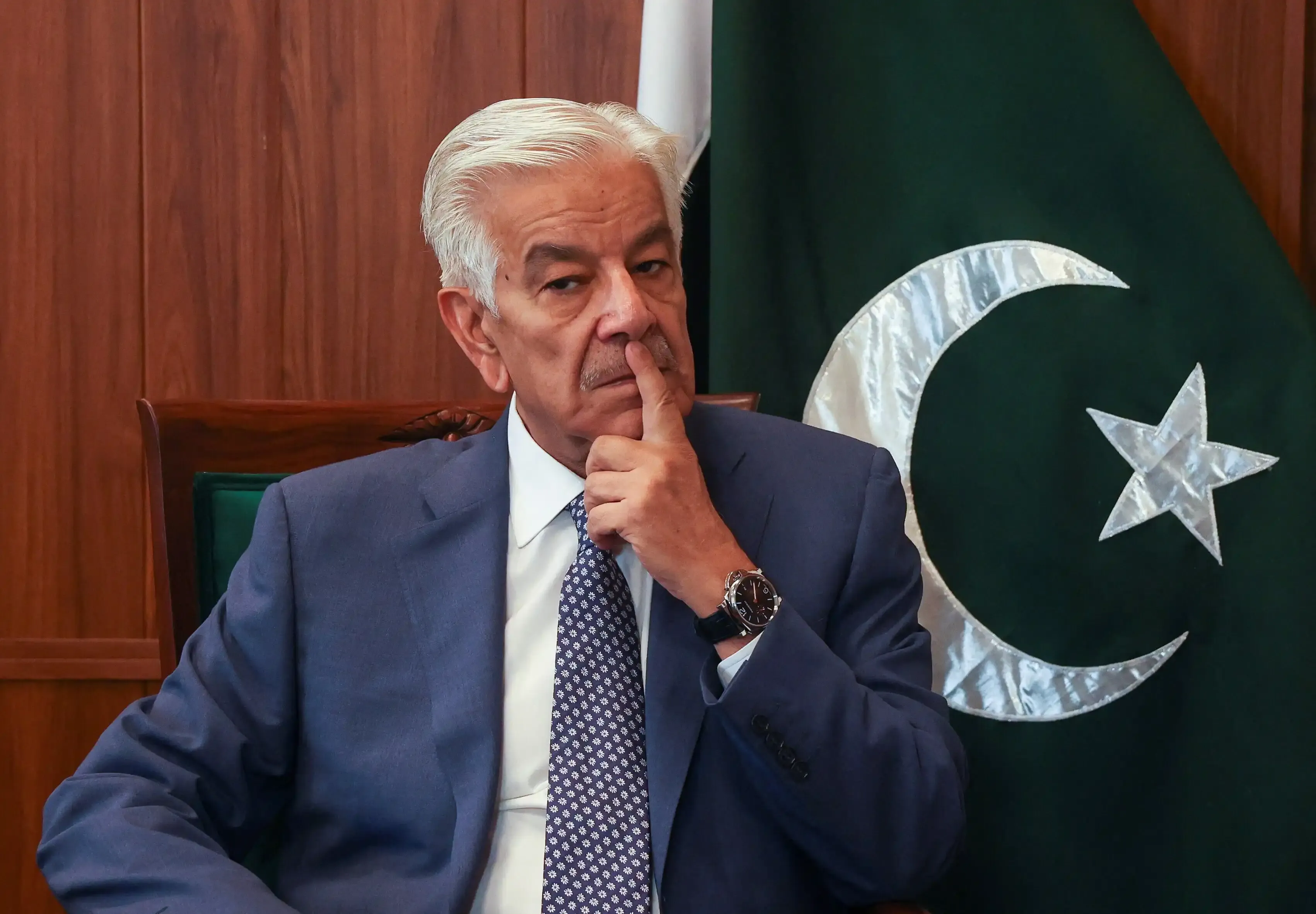
A senior US lawmaker has offered a stark assessment of South Asia’s strategic value to Washington, drawing a sharp contrast between India and Pakistan. Speaking at an event hosted by the Center for Strategic and International Studies, Republican Congressman Rich McCormick said India plays a far more consequential economic and strategic role for the United States, warning that alienating New Delhi would prove costly for Washington.
McCormick, a member of US President Donald Trump’s Republican Party, said Pakistan, despite its large population, does not bring meaningful investment into the United States. India, by contrast, not only attracts American capital but also sends investments back into the US economy, strengthening bilateral ties in a tangible way.
“Pakistan is a country with nearly 300 million people, but you don’t see it bringing investments into America,” McCormick said. “India not only takes investments, it also brings investments into the United States.”
Talent and Economic Value of India
Emphasising India’s growing importance, the US lawmaker highlighted the role of Indian talent in driving innovation and productivity across sectors in the US economy. He said India’s contribution goes well beyond manpower, adding value across technology, healthcare, research, and entrepreneurship.
According to McCormick, India supplies a vast pool of skilled professionals who are not just migrating for opportunities but are also filling critical gaps in the American workforce. He described this talent pipeline as one of the strongest pillars of the India–US partnership.
Pakistan Fails to Attract Major US Investments
Backing McCormick’s remarks, Indian-origin Democratic Congressman Ami Bera said that despite occasional diplomatic engagement, American companies are not making large-scale investments in Pakistan.
Bera stressed that Washington is not building a strategic economic partnership with Islamabad, underlining that multi-billion-dollar US corporate investments are flowing overwhelmingly into India, not Pakistan. The remarks reflect a bipartisan consensus in Washington about India’s economic centrality.
Strains in India–US Ties Under Trump
The comments come amid visible strain in India–US relations following the Trump administration’s decision to impose steep tariffs on Indian goods. Washington slapped an additional 25% tariff on India, taking the total levy to 50%, citing New Delhi’s continued purchase of Russian oil amid the Ukraine conflict.
Trade talks between the two sides remain stalled, further complicating ties. McCormick acknowledged that the US is unhappy with India’s energy trade with Russia but said Washington understands New Delhi’s reasoning.
Russian Oil and India’s National Interest
McCormick described Prime Minister Narendra Modi as “extremely nationalistic in a good way,” saying India’s decision to buy discounted Russian oil is driven by economic necessity.
“When India buys cheap Russian oil, America hates that,” McCormick said. “But Prime Minister Modi is doing it in the best interest of his country, to grow the economy with affordable energy.”
The remarks suggest a degree of realism within sections of the US political establishment about India’s strategic autonomy, even when interests diverge.
Clear Warning to Washington
On trade and broader cooperation, McCormick called India and the US “like-minded” partners but stressed the importance of balance and fairness. Using a personal analogy, he said cooperation must work both ways to be sustainable.
He ended with a blunt message for the Trump administration, warning against sidelining New Delhi.
“If America embraces Indians as friends, we will have peace and prosperity,” McCormick said. “If we alienate them, it’s going to be big trouble for all of us.”
His remarks underline a growing recognition in Washington that India’s economic weight, talent base, and strategic position make it indispensable for US global interests, while Pakistan no longer holds the same leverage in shaping America’s long-term policy calculus.