

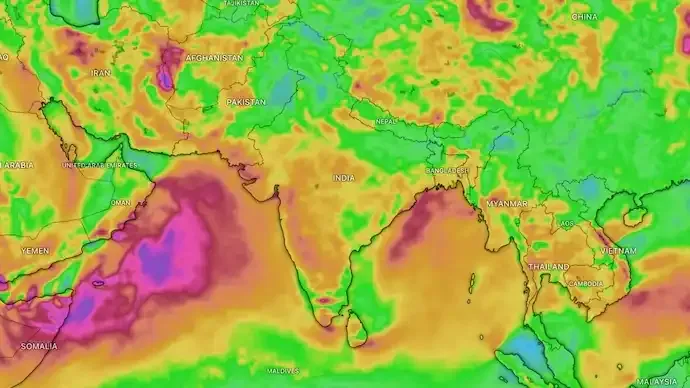

India's southwest monsoon has entered a worrying phase, with the country's rainfall deficit widening to 24% between June 1 and July 16, 2026, according to the India Meteorological Department (IMD). The shortfall has already exceeded the 19% full-season deficit recorded during the severe 2002 drought, raising concerns over agriculture, reservoir levels and the remainder of the monsoon season.
While the comparison highlights the seriousness of the current situation, experts note that rainfall during the remaining months of the monsoon could still reduce the overall deficit.
India Receives 24% Less Rain Than Normal
According to IMD data:

- Actual rainfall (June 1–July 16): 224.8 mm
- Normal rainfall: 295.8 mm
- Rainfall deficit: 24%
The "normal" rainfall is based on the Long Period Average (LPA) calculated using rainfall data collected between 1971 and 2020.
The rainfall deficit had crossed 30% in June, briefly improved after the monsoon covered the entire country on July 9, but widened again as rainfall activity weakened across several regions.
How Serious Is the Current Deficit?
The current shortfall is larger than the 19% seasonal rainfall deficit recorded during the 2002 drought, one of India's worst monsoon failures in recent decades.
However, meteorologists caution that the comparison is not direct because the 2026 monsoon season is still ongoing, with rainfall expected through September.
Regional rainfall deficits currently stand at:
- East & Northeast India: 36%
- Southern Peninsula: 26%
- Northwest India: 19%
- Central India: 13%
The week between July 9 and July 15 recorded rainfall 51% below normal, following one of the driest Junes in over a century.
Why Is the Monsoon Weak This Year?
According to the IMD, several climatic factors are influencing this year's weak monsoon.
El Niño
The primary factor is El Niño, a climate pattern marked by unusually warm sea surface temperatures in the central and eastern Pacific Ocean.
El Niño typically weakens the moisture-bearing winds responsible for India's southwest monsoon and has historically been associated with below-normal rainfall, including the severe drought of 2002.
Neutral Indian Ocean Dipole (IOD)
Normally, a positive Indian Ocean Dipole (IOD) can offset the impact of El Niño by enhancing monsoon rainfall.
However, the IOD remains neutral this year, limiting its ability to strengthen rainfall across India.
Madden-Julian Oscillation (MJO)
The Madden-Julian Oscillation (MJO), a weather system that influences tropical rainfall, is currently not positioned in a phase favourable for widespread monsoon activity over India.
Will Rainfall Improve in the Coming Week?
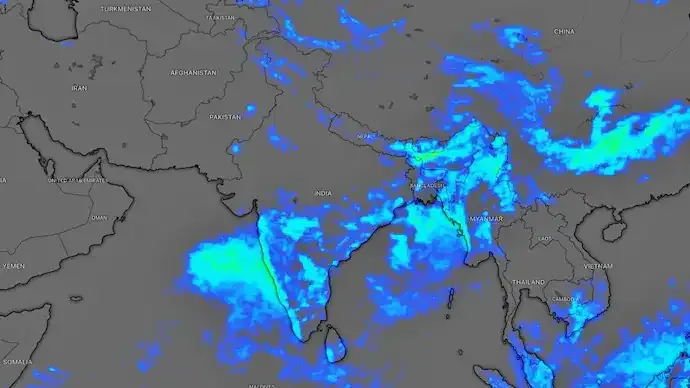
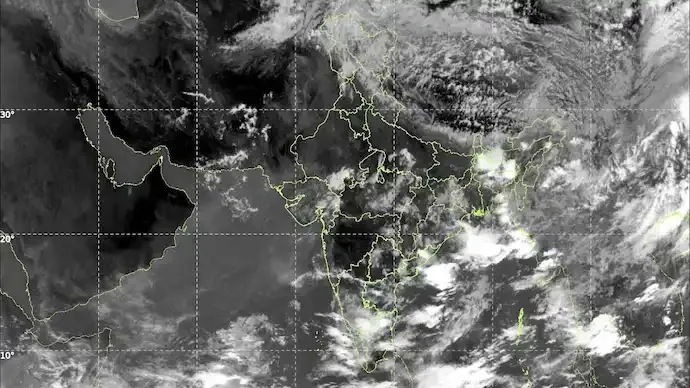
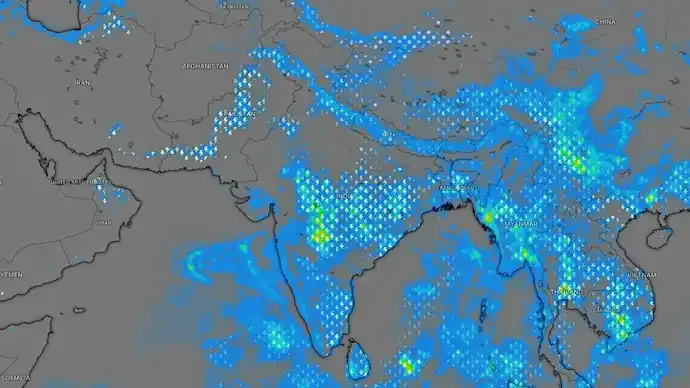
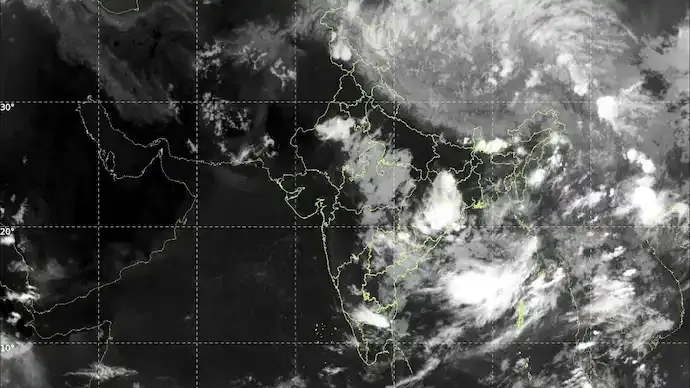
The IMD has forecast enhanced rainfall over eastern and northeastern India during the next seven days.
Heavy to very heavy rainfall is expected in:
- East and Northeast India
- East Uttar Pradesh
- Uttarakhand
- Punjab
- Western Himalayan region
However, west-central India and much of the southern peninsula are expected to remain relatively dry, with July rainfall likely to stay below 94% of the Long Period Average.
Is India Heading Towards a Drought?
At present, India has not officially entered a meteorological drought.
According to IMD criteria, drought is declared when seasonal rainfall falls below 75% of the Long Period Average over a region.
Nevertheless, the current rainfall deficit is a matter of concern for:
- Kharif crop sowing
- Rice, cotton and pulses cultivation
- Reservoir water storage
- Future irrigation needs
If rainfall remains below normal during the remainder of the monsoon season, 2026 could emerge as one of the weakest monsoons in more than two decades.
Key Highlights
- India's monsoon rainfall deficit has widened to 24% as of July 16.
- The current shortfall exceeds the 19% full-season deficit recorded during the 2002 drought.
- El Niño, a neutral Indian Ocean Dipole, and an unfavourable Madden-Julian Oscillation are weakening the monsoon.
- Heavy rainfall is expected mainly over eastern and northeastern India in the coming week.
- The IMD has not declared a drought, but concerns remain for agriculture and water storage.
FAQs
What is India's current monsoon rainfall deficit?
According to the IMD, India has recorded a 24% rainfall deficit between June 1 and July 16, 2026.
Why is the monsoon weak in 2026?
The weak monsoon is primarily linked to El Niño, along with a neutral Indian Ocean Dipole and an unfavourable Madden-Julian Oscillation.
Is India experiencing a drought?
No. India has not officially entered a meteorological drought, but the current rainfall deficit has raised concerns about agriculture and water availability.
Which regions are expected to receive heavy rainfall?
The IMD has forecast enhanced rainfall over East and Northeast India, East Uttar Pradesh, Uttarakhand, Punjab and the Western Himalayan region.
How does the 2026 monsoon compare with 2002?
The current 24% rainfall deficit is larger than the 19% full-season deficit recorded during the 2002 drought, although the 2026 monsoon season is still ongoing.





Conversation
Be kind and stay on topic. Comments are moderated; abuse, spam and personal attacks are removed. Report a problem