

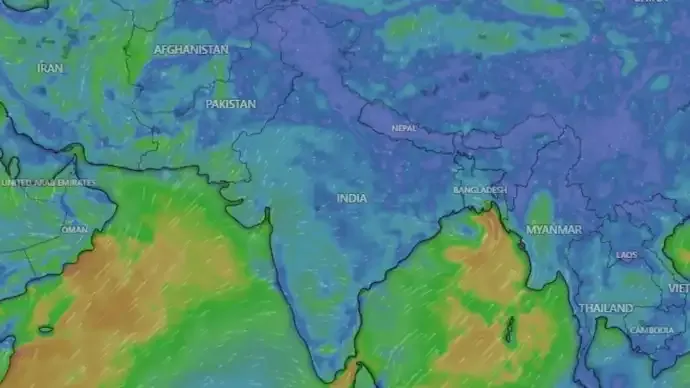

India's southwest monsoon has entered a break phase, leaving large parts of the country with significantly below-normal rainfall despite a timely nationwide onset. According to the India Meteorological Department (IMD), the national rainfall deficit has widened to nearly 14%, while strengthening El Niño conditions and a northward shift of the monsoon trough are suppressing rainfall across central, western and southern India.
Meteorologists, however, remain hopeful that a fresh low-pressure system over the Bay of Bengal could help revive rainfall in the coming days.
Why Has the Monsoon Suddenly Weakened?
After a strong low-pressure system brought widespread rain during the first week of July, the southwest monsoon covered the entire country on July 9, only one day behind schedule.

However, rainfall quickly weakened as the monsoon entered its seasonal break phase, leaving many states with dry weather during what is typically the wettest month of the year.
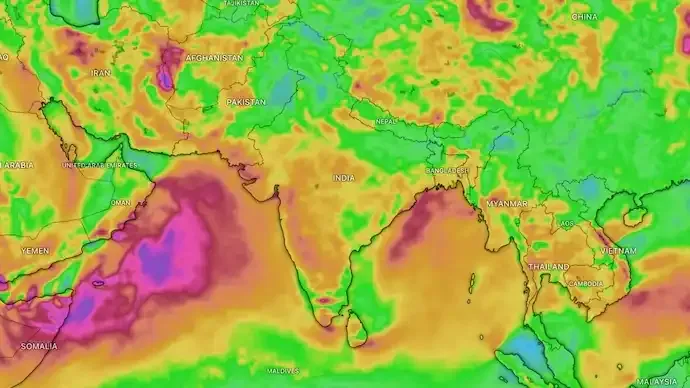
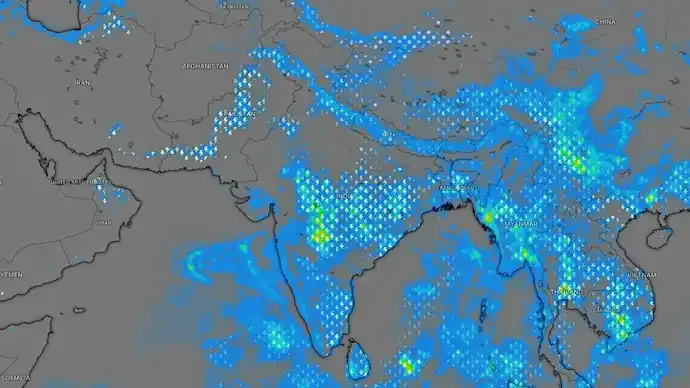
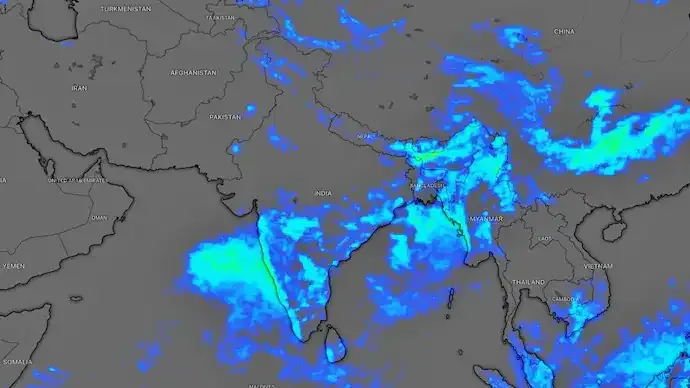
The IMD has forecast subdued rainfall over northwest India, west-central India and the southern peninsula for the next six to seven days, while the Himalayan foothills and northeastern states are expected to continue receiving heavy showers.
What Is a Monsoon Break?
A monsoon break is a natural weather phenomenon during the southwest monsoon.
Normally, the monsoon trough—an elongated low-pressure zone stretching from northwest India to the Bay of Bengal—draws moisture inland and triggers widespread rainfall.
During a break phase, this trough shifts north towards the Himalayan foothills.
As a result:
- Heavy rainfall shifts to the Himalayan region and Northeast India.
- Central, western and peninsular India witness significantly reduced rainfall.
- Dry winds replace moisture-laden monsoon currents across several regions.
According to meteorologists, this is only the third major July monsoon break in the past 11 years, after similar events in 2015 and 2021.
Why Is the 2026 Monsoon Underperforming?
Several weather systems are contributing to the weak monsoon.
1. El Niño Is Strengthening
The biggest factor is the strengthening El Niño, which involves abnormal warming of the central and eastern Pacific Ocean.
El Niño disrupts global atmospheric circulation and typically weakens the Indian monsoon by reducing moisture transport towards the subcontinent.
2. Madden-Julian Oscillation (MJO)
The Madden-Julian Oscillation, a moving band of clouds and tropical rainfall, is currently in phases that suppress monsoon activity over India instead of enhancing it.
3. Lack of Bay of Bengal Weather Systems
Low-pressure systems over the Bay of Bengal act as the primary drivers of widespread monsoon rainfall.
This season has witnessed very few such systems, limiting the monsoon's ability to spread rain across central and western India.
4. Neutral Indian Ocean Dipole (IOD)
The Indian Ocean Dipole, which can sometimes offset El Niño's impact, remains neutral this year.
Unlike 1997, when a strong positive IOD helped India avoid severe drought despite a powerful El Niño, the current ocean conditions are offering little support.
Rainfall Deficit Remains Significant
India recorded just 99.5 mm of rainfall in June, nearly 40% below the long-period average, making it one of the driest Junes since rainfall records began in 1901.
Although early July rainfall reduced the national deficit, the ongoing break phase has once again slowed rainfall across many regions.
When Will the Monsoon Return?
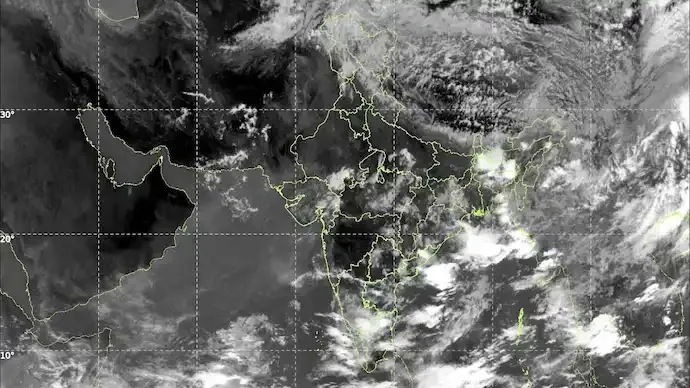
The IMD has identified a fresh low-pressure area over the northwest Bay of Bengal near the Odisha-West Bengal coast.
The system is expected to:
- Bring extremely heavy rainfall over Odisha until July 17.
- Increase rainfall across Gangetic West Bengal.
- Enhance showers over eastern Uttar Pradesh and the Western Himalayan region.
- Supply additional moisture to parts of central and western India.
Independent weather experts also believe the system may strengthen further and gradually pull the monsoon trough southward, helping end the current break phase.
What Lies Ahead?
Weather experts are also closely monitoring the Indian Ocean Dipole later this season.
If it shifts into a positive phase during August, it could weaken El Niño's influence and improve rainfall during the latter half of the monsoon season.
Until then, much of India may continue experiencing below-normal rainfall, with weather activity largely dependent on fresh low-pressure systems developing over the Bay of Bengal.
Key Highlights
- India's monsoon has entered a seasonal break phase with a 14% rainfall deficit.
- El Niño and a northward shift of the monsoon trough are weakening rainfall.
- The IMD expects subdued rainfall across northwest, central and southern India this week.
- A fresh Bay of Bengal low-pressure system may help revive monsoon activity.
- A positive Indian Ocean Dipole later this season could reduce El Niño's impact.
FAQs
Why has rainfall reduced across India?
Rainfall has reduced because the southwest monsoon has entered a break phase, during which the monsoon trough shifts north towards the Himalayan foothills, limiting rainfall across much of India.
What is El Niño?
El Niño is the abnormal warming of the central and eastern Pacific Ocean that alters global weather patterns and often weakens India's southwest monsoon.
Which regions will receive rain during the break phase?
The IMD expects heavy rainfall over Odisha, northeastern states, Gangetic West Bengal, eastern Uttar Pradesh and parts of the Western Himalayas.
When is the monsoon expected to revive?
A new low-pressure system over the Bay of Bengal is expected to strengthen rainfall over eastern India and may gradually restore monsoon activity across other regions.
Can the Indian Ocean Dipole improve the monsoon?
Yes. If the Indian Ocean Dipole turns positive later in the season, it could partially offset El Niño's weakening effect on the Indian monsoon.





Conversation
Be kind and stay on topic. Comments are moderated; abuse, spam and personal attacks are removed. Report a problem