


India has created some of the world’s most admired digital public infrastructure. The Unique Identification Authority of India built Aadhaar to transform identity verification. The National Payments Corporation of India developed UPI to revolutionise digital payments. The Account Aggregator framework is reshaping consent-based financial data sharing.
But one powerful system still operates quietly in the background — credit scoring.
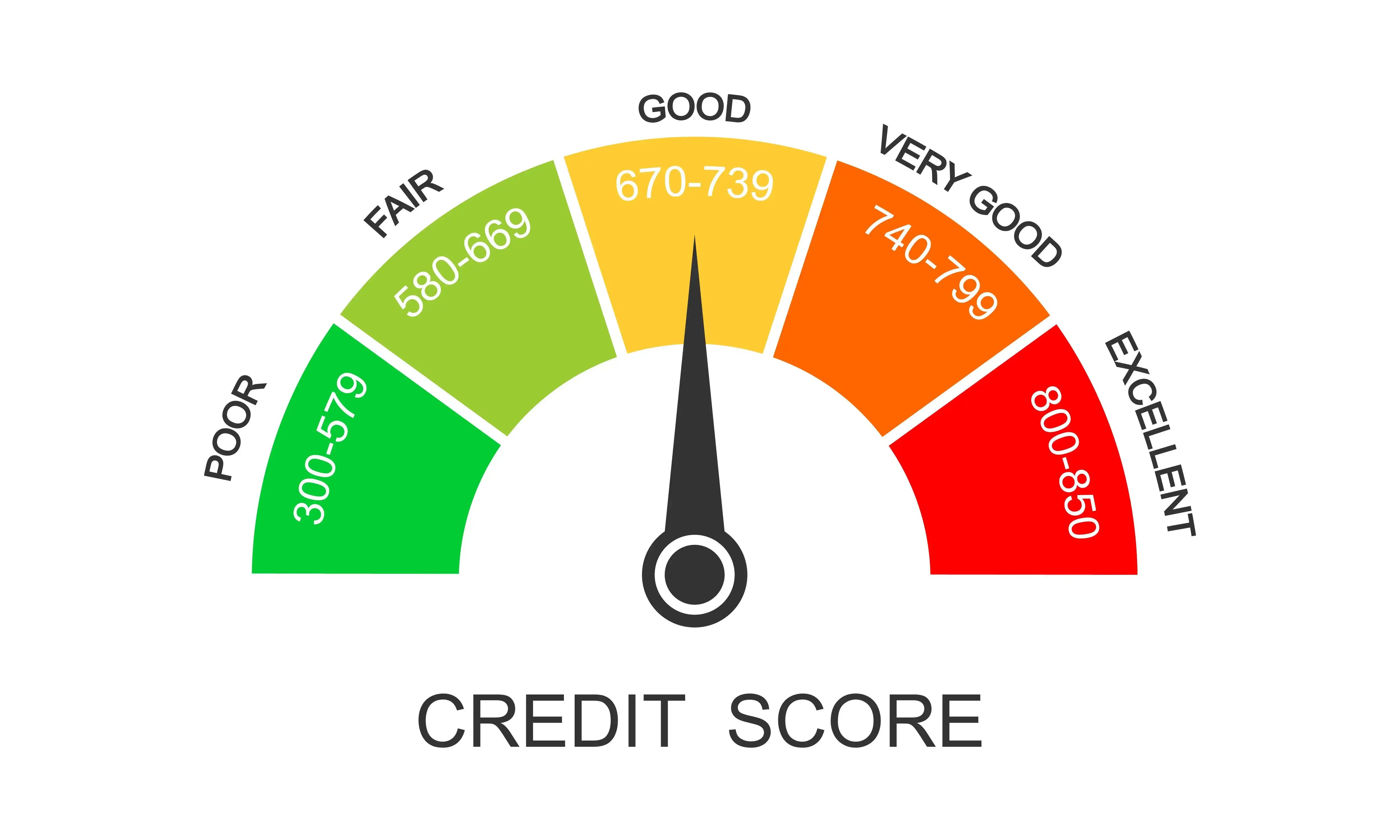
For millions of Indians, a three-digit number determines access to loans, credit cards, interest rates and sometimes even rental approvals. Yet, most borrowers do not fully understand how this score is calculated, how long past defaults remain on record, or how errors can be corrected.

As financial inclusion deepens, experts are asking a bigger question: should India build a stronger, more transparent and locally anchored credit score ecosystem to match its digital ambitions?
Who Controls Credit Scores in India?
India currently has four licensed credit bureaus regulated by the Reserve Bank of India under the Credit Information Companies (Regulation) Act, 2005 (CICRA):
-
TransUnion CIBIL
-
Experian India
-
Equifax India
-
CRIF High Mark
Banks and lenders share borrower data — EMI payments, defaults, credit usage and loan closures — with these bureaus. The bureaus use statistical models to generate credit scores ranging between 300 and 900.
Repayment history has the strongest influence. Credit utilisation, credit mix, loan tenure and frequency of applications also affect the score.
Bureaus maintain that they do not approve or reject loans — lenders use scores as one input in decision-making. However, in practice, the score has enormous influence over financial opportunity.
Why Do Scores Differ?
Many borrowers are confused when their scores differ across bureaus.
Experts explain that this happens because:
-
Each bureau may receive slightly different data updates from lenders
-
Statistical models vary
-
Timing of reporting differs
While competition exists among bureaus, concentration effects occur when lenders rely more heavily on one bureau’s score.
Greater transparency around score drivers — without revealing proprietary algorithms — could improve borrower confidence, analysts suggest.
The Thin-File and Inclusion Problem
A major challenge is the “thin-file” issue — individuals with little or no credit history.
This includes:
-
Young professionals
-
Rural borrowers
-
Informal workers
-
Many women without independent loans
Traditional models rely heavily on documented repayment history. First-time borrowers face friction because they lack formal credit footprints.
Experts suggest exploring alternative data — GST filings, UPI transactions, consent-based financial records — to make scoring more inclusive while maintaining safeguards.
Dispute Resolution and Transparency Gaps
Under CICRA, borrowers can raise disputes directly with bureaus, and resolution is expected within 30 days. However, corrections typically require confirmation from the reporting lender.
This dependency often creates delays and confusion. As a result, third-party “credit repair” services have emerged — highlighting a clarity gap in the system.
Experts argue that stronger oversight could include:
-
Clearer score explanations
-
Faster error correction mechanisms
-
Explainable AI standards
-
Fairness audits
If a number can shape a citizen’s financial future, correcting it should not feel complex.
Data Sovereignty and Domestic Anchoring
While all four bureaus operate under Indian regulation, their parent companies are headquartered abroad. This raises policy debates around data sovereignty and domestic control over sensitive financial infrastructure.
Economists argue for “regulated openness” — leveraging global analytics expertise while strengthening domestic oversight, resilience and concentration safeguards.
Should India Build Public Credit Rails?
India’s Aadhaar and UPI systems function as public rails upon which private innovation thrives.
Some experts propose:
-
A Public Credit Registry as foundational infrastructure
-
Stronger interoperability standards
-
Hybrid public-private architecture
-
Inclusion-focused credit design
An Aatmanirbhar credit score system may not mean replacing private bureaus. It could mean:
-
Stronger transparency norms
-
Public data standards
-
Reduced concentration risk
-
Greater inclusion for first-time borrowers
India’s credit ecosystem is regulated and expanding. But as more citizens enter formal finance, the question grows sharper: should credit scoring evolve into critical public financial infrastructure?
For millions of Indians whose opportunities hinge on a three-digit number, the answer could shape the next phase of financial inclusion.





Conversation
Be kind and stay on topic. Comments are moderated; abuse, spam and personal attacks are removed. Report a problem