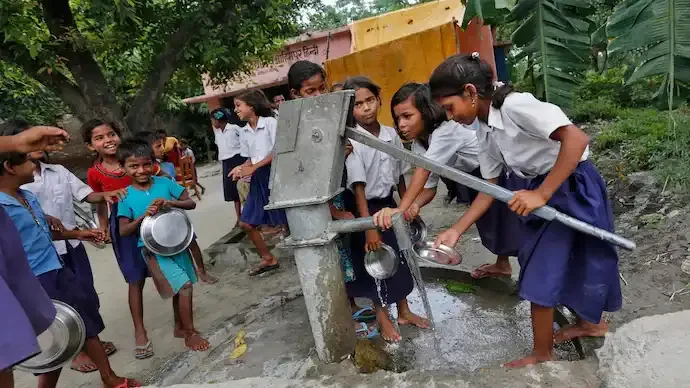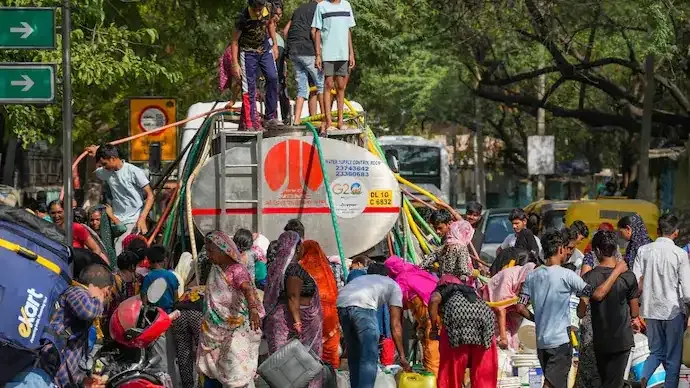
India’s fast-growing cities are facing an escalating water crisis as demand for freshwater continues to rise while natural supplies decline. Several urban centres including Delhi, Kolkata, Chennai, Bengaluru, and Hyderabad are now ranked among the 20 most water-stressed cities in the world, highlighting the scale of the problem.
The growing crisis is affecting households, businesses and city infrastructure across India, with experts warning that urgent long-term solutions are needed to secure sustainable water supplies for the future.
Cities Already Experiencing Water Shortages
Several Indian cities have already faced severe water shortages in recent years.
Chennai experienced an acute water crisis in 2019, when major reservoirs dried up and the city struggled to meet basic drinking water demand. Tanker trucks became a common sight across neighbourhoods as residents waited in long queues to collect water.
Similarly, Bengaluru faced major water shortages in 2024, affecting thousands of households and forcing authorities to impose restrictions on water usage in many areas.
In Delhi, disputes over water sharing from the Yamuna River frequently emerge during summer months when demand rises and river flows decline.
These recurring shortages highlight how fragile urban water systems have become in many Indian cities.
Why Urban Water Stress Is Increasing
Experts say several factors are contributing to the worsening water crisis in India’s cities.
Rapid urbanisation has dramatically increased demand for water. Growing populations require larger supplies for drinking, sanitation, industries and infrastructure.
At the same time, groundwater reserves are being depleted due to excessive extraction. Many cities rely heavily on underground aquifers, which are being drained faster than they can naturally recharge.
Climate change is also affecting rainfall patterns, making water availability less predictable and increasing the risk of drought conditions.
Infrastructure and Planning Challenges
Urban water management systems in many Indian cities have struggled to keep pace with population growth.
Aging pipelines, inefficient distribution networks and high levels of water loss due to leaks reduce the amount of usable water reaching households.
In some cities, water distribution is also uneven, leaving certain neighbourhoods more vulnerable to shortages than others.
Experts say improving infrastructure and adopting better water management policies will be essential to address the crisis.
Possible Solutions to the Water Crisis
Addressing the urban water crisis requires a combination of technological, environmental and policy solutions.
Rainwater harvesting systems can help cities capture and store rainwater during monsoon seasons, reducing dependence on groundwater.
Recycling and treating wastewater for industrial or non-drinking purposes can also reduce pressure on freshwater supplies.
Experts also emphasise the importance of restoring lakes, wetlands and natural water bodies that play a crucial role in maintaining local water ecosystems.
In addition, stronger regulations on groundwater extraction and improved urban planning can help cities manage water resources more sustainably.
A Growing Environmental Challenge
India’s urban water crisis reflects a broader global challenge as cities around the world struggle to manage water resources in the face of population growth and climate change.
Without long-term planning and sustainable policies, water shortages could become more frequent and severe in the coming decades.
Ensuring reliable water supplies for India’s rapidly expanding cities will require coordinated efforts from governments, scientists, urban planners and local communities.
The challenge is significant, but experts say proactive planning and sustainable water management can help prevent future crises.