Rising geopolitical tensions in the Middle East have once again highlighted India’s heavy dependence on imported energy. However, experts say the country has strengthened its energy security over the years through strategic oil reserves and diversified crude imports, helping it manage potential supply disruptions caused by the ongoing Iran conflict.
India currently imports nearly 90 percent of its crude oil, along with about 60 percent of its LPG and 50 percent of its LNG requirements. Such dependence makes the country vulnerable to global supply chain disruptions, particularly when key maritime routes such as the Strait of Hormuz face instability due to regional conflicts.
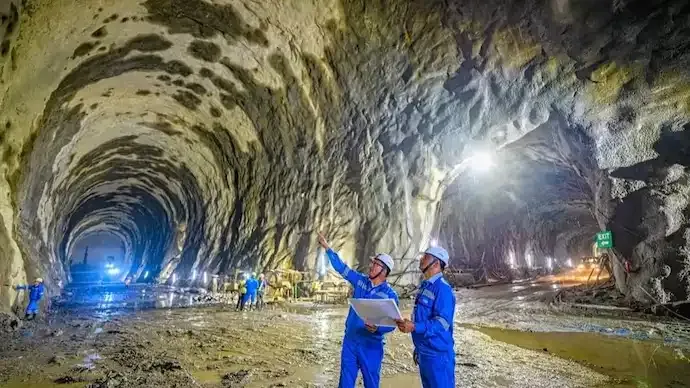
Despite these risks, India has built several safeguards to protect its fuel supply. One of the most important components of the country’s energy security strategy is the creation of underground storage facilities known as Strategic Petroleum Reserves (SPR).
These reserves are stored in massive underground rock caverns designed to hold millions of barrels of crude oil that can be used during emergencies. One such facility is located in Mangaluru, where underground caverns have been developed to store large quantities of petroleum and LPG.
Strategic storage sites have also been developed in Visakhapatnam and Padur, forming a network of reserves that can be used if global supply routes face disruptions. These underground facilities allow India to maintain a buffer stock of crude oil that can sustain the country for several days or weeks during an emergency.
Another important element of India’s strategy has been diversifying its sources of crude oil imports. In recent years, the country has increased purchases from Russia, especially after global energy markets shifted due to geopolitical developments.
By expanding its import network beyond traditional suppliers in the Middle East, India has reduced the risk of relying on a single region for energy supplies. Officials say this diversification helps protect the economy from sudden shocks caused by conflicts or disruptions in specific oil-producing regions.
The ongoing tensions involving Iran have raised fears about potential disruptions in global oil transport, particularly if shipping routes in the Persian Gulf are affected. The Strait of Hormuz is one of the world’s most critical oil corridors, with a significant portion of global crude exports passing through the narrow waterway.
Energy analysts say that any closure or disruption in this route could impact global oil markets and lead to price volatility. However, India’s preparation through strategic reserves and diversified sourcing has helped the country maintain stability despite the current geopolitical uncertainty.
India’s energy planning has increasingly focused on long-term resilience. In addition to strategic oil reserves and diversified imports, the government has also promoted renewable energy, domestic exploration and improved fuel storage infrastructure.
These steps are aimed at reducing vulnerability to external shocks while ensuring that industries, transportation systems and households continue to receive stable fuel supplies even during global crises.
As tensions in the Middle East continue to influence global energy markets, India’s multi-layered strategy for energy security is expected to play a crucial role in protecting the country’s economic stability and energy supply chain.
Prev Article
Om Birla Takes Dig at Rahul Gandhi After No-Confidence Motion Defeat in Lok Sabha
Next Article
Iran Conflict Raises Insurance Costs for Indian Airlines, Airfares May Increase