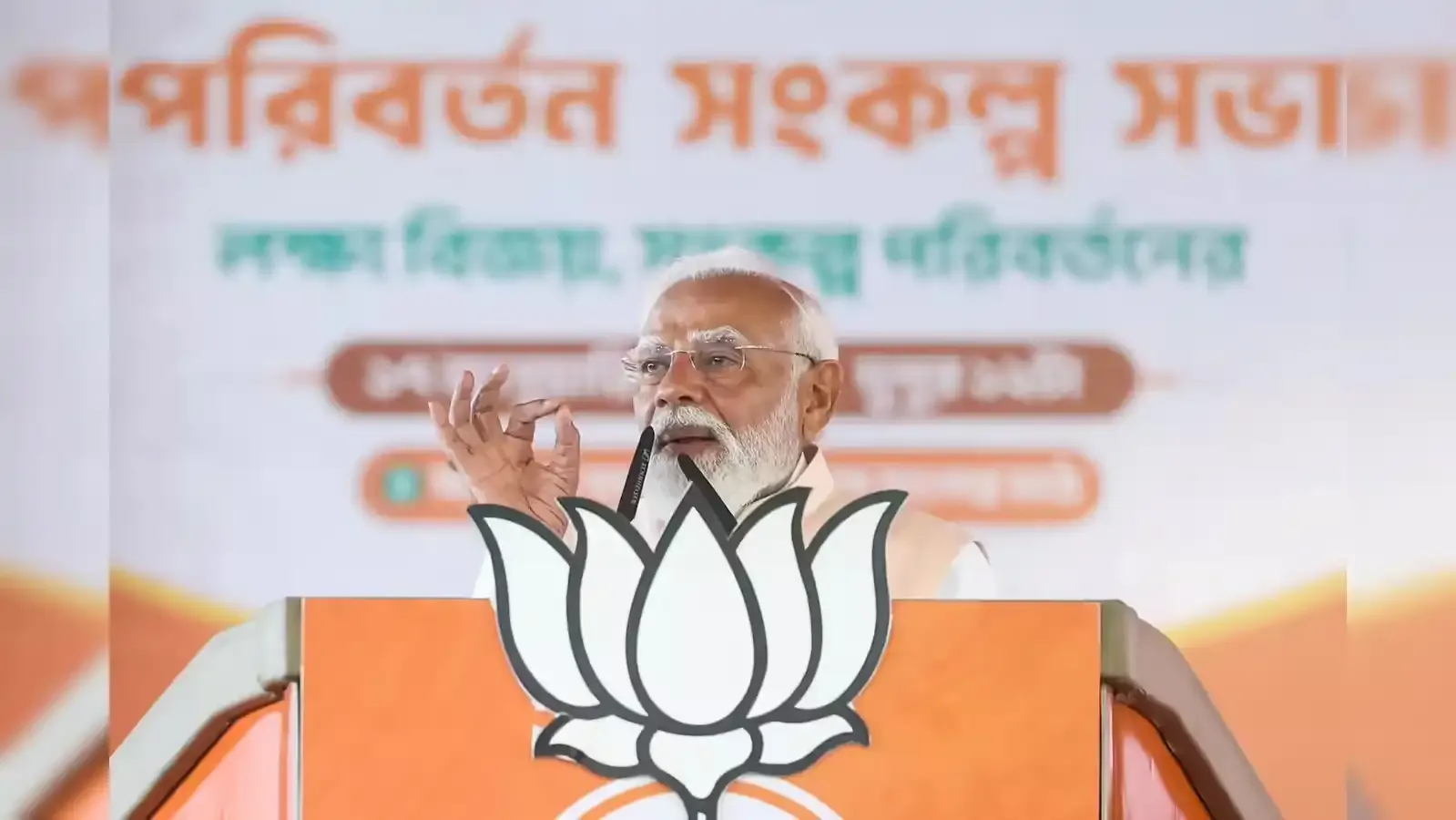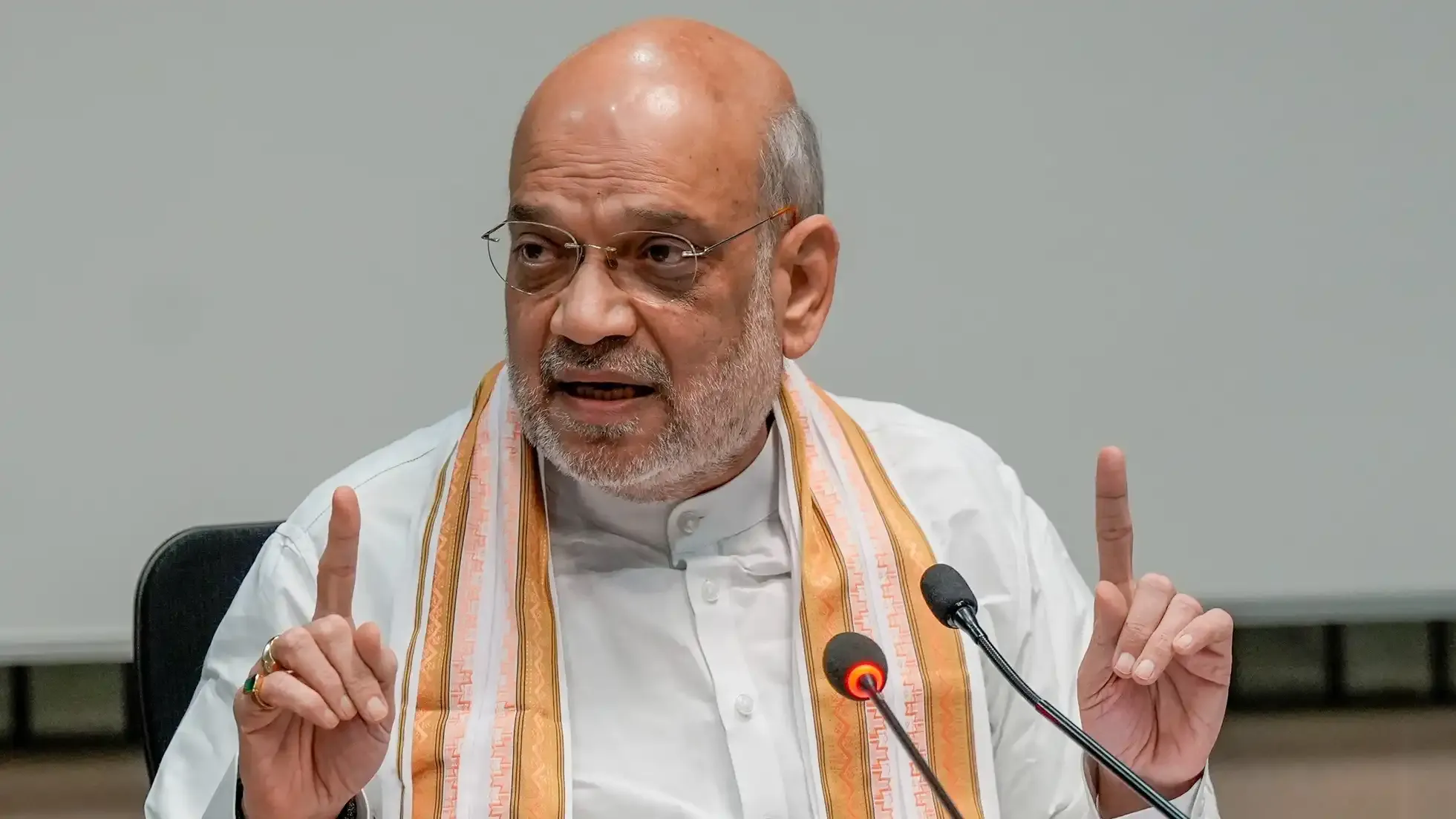
The political temperature in Tamil Nadu is rising sharply ahead of the 2026 Assembly elections, with Union Home Minister Amit Shah launching a direct attack on the ruling Dravida Munnetra Kazhagam (DMK) and Chief Minister M. K. Stalin during his two-day visit to the state.
Addressing party workers and the public, Shah accused the DMK leadership of promoting what he described as “dynasty politics,” alleging that governance in the state has taken a back seat to family-centric political succession. He claimed that the ruling party was more focused on securing political futures for family members than addressing pressing developmental and governance challenges faced by the people of Tamil Nadu.
Shah also raised cultural and ideological issues, alleging that Hindu beliefs and traditions were being undermined under the DMK government. He referred to controversies surrounding religious practices, including the ‘Deepam’ issue, and comments related to Sanatana Dharma, claiming these incidents reflected an atmosphere of intolerance toward Hindu sentiments. According to Shah, such actions were part of a broader pattern that, he argued, alienated a large section of the population.
The sharp criticism drew an immediate response from the DMK, which rejected Shah’s allegations and accused the Bharatiya Janata Party (BJP) of being “anti-Tamil” and disconnected from the state’s cultural and linguistic identity. Senior DMK leaders said the BJP was attempting to polarise voters by importing ideological narratives that, they claimed, do not resonate with Tamil Nadu’s political ethos.
The DMK asserted that the BJP has repeatedly failed to gain electoral traction in the state and would continue to remain on the political margins. Party leaders dismissed the dynasty politics charge as ironic, pointing to leadership patterns within the BJP and its allies at the national level.
As the political exchange intensified, Chief Minister Stalin moved ahead with governance-focused announcements. He is set to launch a large-scale free laptop distribution programme aimed at students, under which around 20 lakh laptops are expected to be provided. The scheme is positioned by the state government as an effort to strengthen digital access and educational opportunities, particularly for students from economically weaker sections.
However, the initiative has also drawn criticism from opposition parties. The All India Anna Dravida Munnetra Kazhagam (AIADMK) and the Pattali Makkal Katchi (PMK) have questioned the state government’s recent Pongal cash gift scheme, raising concerns about fiscal discipline and the sustainability of welfare spending.
Political observers note that Shah’s visit signals an aggressive push by the BJP to consolidate its organisational base in Tamil Nadu ahead of the 2026 polls. While the party has historically struggled to emerge as a major force in the state, it appears intent on sharpening its attacks on the DMK by focusing on issues such as governance, culture and alleged dynastic control.
With welfare schemes, cultural debates and leadership credibility dominating the discourse, Tamil Nadu’s political landscape is entering a phase of heightened confrontation. As parties position themselves for the upcoming elections, the battle lines between the BJP-led Centre and the DMK-led state government are becoming increasingly clear.