

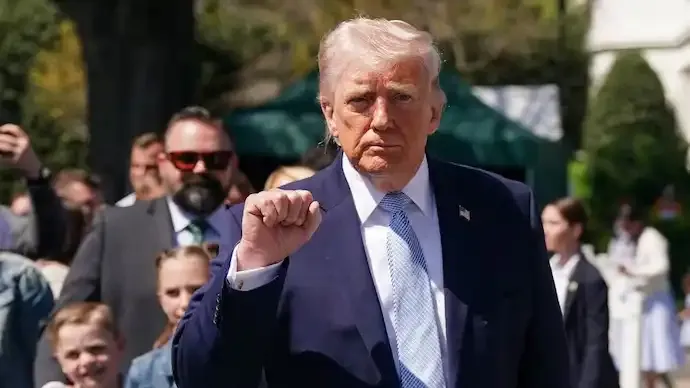

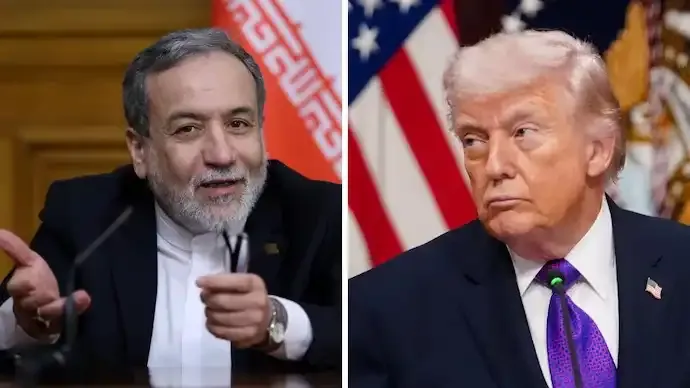
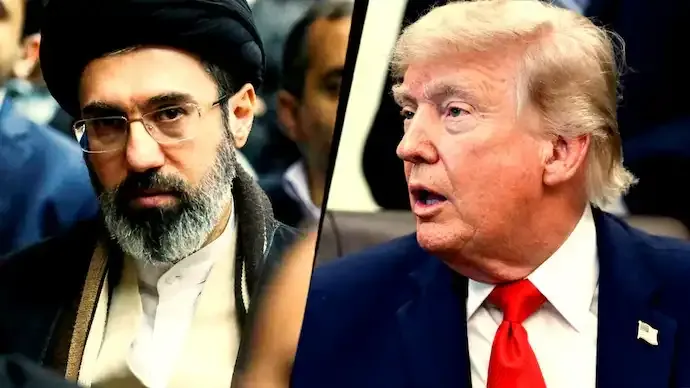
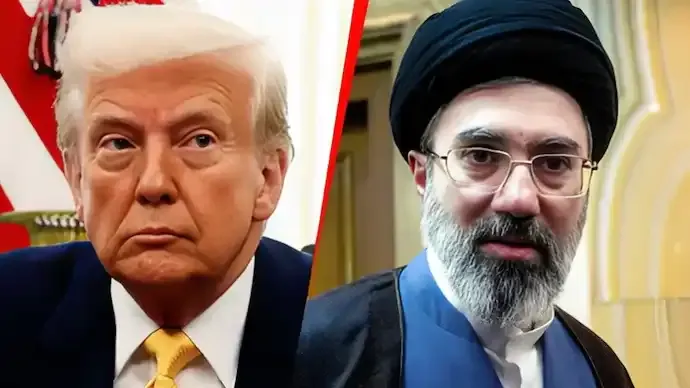
The White House recently decided against a planned national televised address by Donald Trump regarding the newly announced Iran ceasefire. The decision reflects growing caution within the administration as uncertainties continue to surround the fragile agreement.
Concerns Over Incomplete Details Behind Decision
According to senior officials, the primary reason behind cancelling the address was the lack of clarity surrounding the ceasefire terms. Advisers were still working through crucial details of the agreement and felt that delivering a national speech at such an early stage could create confusion or unrealistic expectations.
Officials were reportedly concerned that presenting the ceasefire as a finalized success might backfire if negotiations fail or conditions change. This cautious approach highlights the complexity of ongoing diplomatic efforts and the risks of premature announcements in sensitive geopolitical matters.

Ceasefire Announcement Came Amid Rising Tensions
The ceasefire was initially announced by Donald Trump through a social media post just hours before a critical deadline. The agreement aimed to pause escalating tensions between the United States and Iran and ensure stability in key global trade routes.
One of the major objectives of the ceasefire is the reopening of the strategically important Strait of Hormuz, a narrow waterway that plays a crucial role in global oil transportation. Any disruption in this region can significantly impact international markets and energy supplies.
Upcoming US-Iran Talks Add to Uncertainty
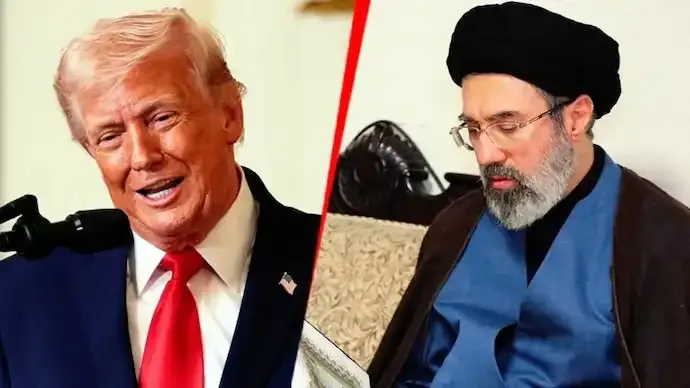
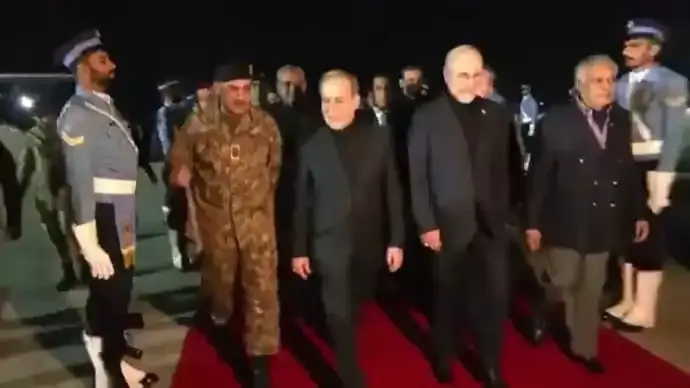
The situation remains fluid as high-level diplomatic talks between the US and Iran are scheduled to take place in Islamabad. These discussions are expected to determine whether the temporary ceasefire can evolve into a long-term agreement.
Experts believe that while the ceasefire is a positive step, it is far from a guaranteed resolution. The success of upcoming negotiations will depend on multiple factors, including political willingness, regional stability, and mutual trust between the two nations.
Strategic Communication and Political Calculations
The decision to cancel the televised address also reflects a broader communication strategy. By avoiding an early public declaration, the administration aims to maintain flexibility in negotiations and prevent potential criticism if the deal does not hold.
Political analysts suggest that such cautious messaging is essential in high-stakes international diplomacy, where premature confidence can weaken negotiating positions or create unnecessary pressure.
Global Attention on a Fragile Truce
The Iran ceasefire has drawn significant global attention, given its potential impact on international relations, oil markets, and regional stability. While the pause in hostilities offers temporary relief, uncertainty continues to dominate the narrative.
As diplomatic efforts continue, the world will closely watch whether this ceasefire can transition into a lasting peace agreement or remain a short-term solution in a complex geopolitical landscape.



Conversation
Be kind and stay on topic. Comments are moderated; abuse, spam and personal attacks are removed. Report a problem