



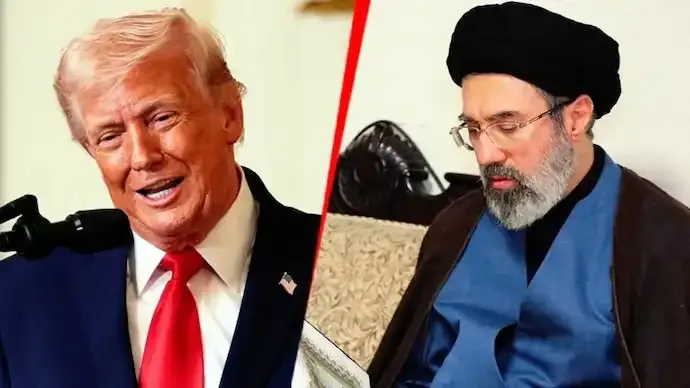
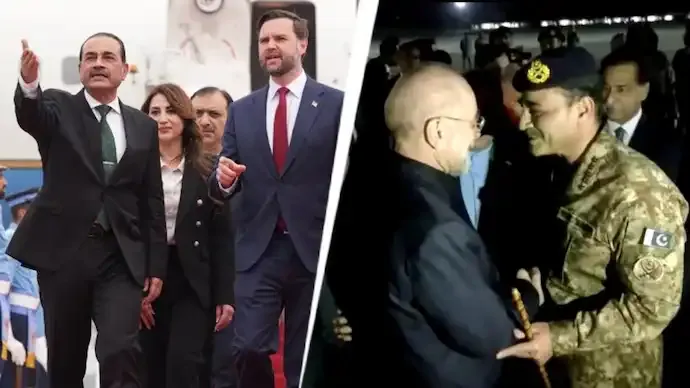
As high-level diplomatic talks begin, Iran has reportedly shown a clear preference for JD Vance to lead negotiations from the United States’ side. This choice reflects Tehran’s calculated approach to navigating complex peace discussions aimed at ending ongoing tensions.
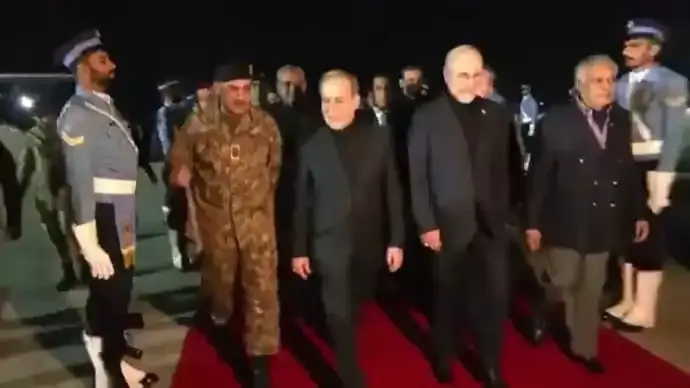
The talks are set to take place in Islamabad, marking a critical moment in efforts to stabilize relations and explore a possible resolution to the conflict.
Perception of JD Vance as an Anti-War Voice
Iranian officials reportedly view JD Vance as one of the most anti-war figures within the administration of Donald Trump. This perception has played a key role in shaping Tehran’s preference, as it signals hope for a more diplomatic and less aggressive approach during negotiations.

Vance’s stance on foreign policy, particularly his cautious approach toward military interventions, has made him a favorable choice for Iranian leadership seeking to avoid further escalation.
High-Stakes Talks Begin Amid Deep Divisions
The upcoming negotiations are expected to address critical issues, including ceasefire terms, regional stability, and long-term diplomatic relations. However, significant differences remain between the two sides, raising questions about whether a meaningful agreement can be reached.
Analysts suggest that while the presence of JD Vance may help create a more balanced environment for dialogue, structural challenges and political differences could limit progress.
Tehran’s Diplomatic Calculations
Iran’s preference for Vance highlights a broader diplomatic strategy focused on engaging with individuals perceived as open to negotiation. By supporting a figure known for advocating restraint, Tehran appears to be aiming for a more constructive dialogue.
This approach also reflects Iran’s understanding of internal dynamics within the US administration, where different leaders may hold varying views on foreign policy and military engagement.
Uncertain Path Toward Conflict Resolution
Despite the cautious optimism surrounding the talks, experts remain uncertain about the outcome. The negotiations come at a time of heightened geopolitical tension, where even minor disagreements could derail progress.
The success of these discussions will depend on multiple factors, including political will, mutual trust, and the ability to find common ground on key issues.
Global Attention on Islamabad Talks
The international community is closely monitoring the developments in Islamabad, as the outcome of these talks could have far-reaching implications for global stability. A successful negotiation could ease tensions in the Middle East, while failure may prolong uncertainty.
As discussions unfold, the focus remains on whether diplomatic efforts can overcome deep-rooted divisions and pave the way for lasting peace.





Conversation
Be kind and stay on topic. Comments are moderated; abuse, spam and personal attacks are removed. Report a problem