As the conflict between Iran, the United States, and Israel intensifies, analysts say Tehran is pursuing a strategy focused on endurance rather than immediate military victory. The approach aims to stretch the confrontation into a prolonged battle of attrition that could increase global economic pressure and test the political resolve of its opponents.
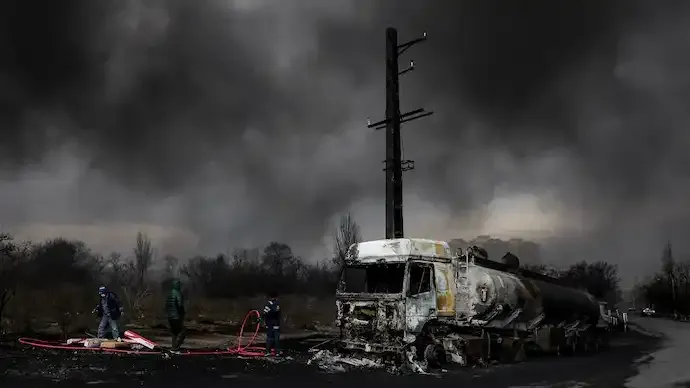
Instead of relying solely on direct military strength, Iran’s strategy involves missile and drone attacks, threats to energy supply routes, and actions designed to disrupt global markets.
War of Attrition Approach
According to analysts, Iran believes it may be able to outlast its opponents by turning the conflict into a prolonged and costly confrontation.
The strategy involves maintaining pressure through repeated attacks while avoiding actions that could lead to a rapid escalation into full-scale war.
By sustaining a continuous level of conflict, Iran hopes to create economic and political pressure on the United States and its allies, potentially influencing international responses to the crisis.
Use of Drones and Missile Strikes
Missiles and drones have become key tools in Iran’s military strategy. These systems allow Tehran to strike targets at long distances while maintaining flexibility in how and where attacks are carried out.
Such attacks can target military infrastructure, strategic facilities, and other locations linked to the ongoing conflict.
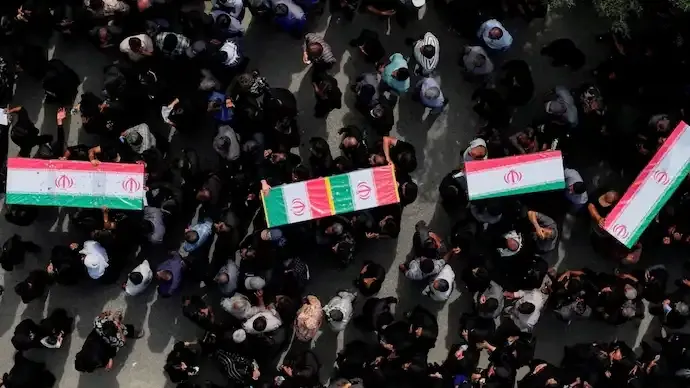
The repeated use of these systems is intended to maintain operational pressure while demonstrating Iran’s ability to continue launching strikes despite military losses.
Threat to Energy Routes
Another major element of Iran’s strategy involves the global energy market.
The country has repeatedly warned that continued attacks against it could lead to disruptions in major oil transit routes, including the Strait of Hormuz, one of the world’s most important shipping corridors for crude oil.
Because a significant portion of global oil supply passes through this region, any threat to shipping routes can immediately affect energy prices and international markets.
By raising the possibility of such disruptions, Iran may be attempting to increase the economic cost of the conflict for other countries.
Role of the Revolutionary Guards
The Islamic Revolutionary Guard Corps (IRGC) remains a central force in directing Iran’s military strategy during the conflict.
The organisation oversees operational planning, coordinates military actions, and manages contingency plans developed in advance of potential conflict scenarios.
Despite recent military losses and international pressure, analysts say the IRGC continues to maintain strong control over Iran’s strategic decisions during the war.
Economic and Political Pressure
Iran’s broader objective appears to involve creating economic shockwaves that could influence international political calculations.
Rising oil prices, disrupted shipping routes, and uncertainty in global markets can place pressure on governments that rely heavily on stable energy supplies.
By leveraging these economic factors, Iran may be attempting to influence diplomatic dynamics and shift the balance of negotiations in its favour.
Global Impact of the Conflict
The ongoing confrontation has already affected global energy markets and raised concerns among governments and businesses worldwide.
As the conflict continues, analysts believe the strategy of endurance could prolong the crisis, making diplomatic solutions more complex while increasing economic consequences.
For now, the situation remains fluid as both sides continue to monitor developments and adjust their strategies in response to the evolving conflict.
Prev Article
Iran Warns No Oil Exports as Trump Threatens Takeover of Strait of Hormuz
Next Article
Did AI Play a Role in Iran School Strike That Killed 165 Girls?