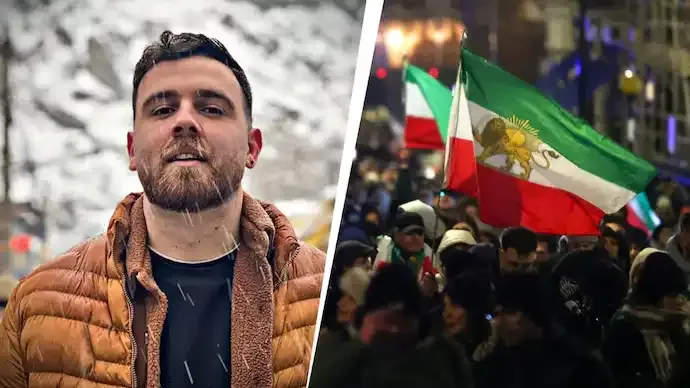
Iran is preparing to carry out what rights groups describe as the first hanging execution directly linked to the ongoing nationwide protests against the Islamic Republic, marking a sharp escalation in the state’s crackdown on dissent. The individual facing execution is Erfan Soltani, a 26-year-old resident of Fardis in Karaj, near Tehran.
Soltani was arrested on January 8 for allegedly participating in demonstrations opposing Iran’s clerical leadership, headed by Supreme Leader Ayatollah Ali Khamenei. Human rights organisations say he has been sentenced to death following an accelerated judicial process and is expected to be executed by hanging within days.
Fast-Track Sentence Raises Alarm
Activists warn that Soltani’s case may set a dangerous precedent, signalling the beginning of summary executions aimed at intimidating protesters and suppressing further unrest. While Iran has previously carried out executions during periods of political instability, most deaths linked to recent protests were reported to have occurred through shootings during security operations.
A hanging execution tied directly to protest participation would represent a significant shift in tactics, designed to send a clear message to demonstrators nationwide.
Rights groups have raised serious concerns about the absence of due process in Soltani’s case. According to multiple accounts, he was denied access to a lawyer, barred from presenting a defence, and sentenced without a transparent trial. His family reportedly learned of the death sentence only days after his arrest and were granted a brief visit lasting just minutes.
Legal Access Denied, Family Kept in the Dark
Sources familiar with the case say Soltani’s sister, who is a licensed lawyer, attempted to intervene through official channels but was denied access to case documents and prevented from representing him. Authorities have allegedly informed the family that the sentence is final and non-negotiable.
Human rights organisations argue that these actions violate Iran’s own legal standards as well as international human rights conventions to which the country is a signatory.
Protests Fueled by Economic Collapse
The current wave of protests erupted in late December 2025 amid severe economic distress, including runaway inflation, currency collapse, and soaring food and fuel prices. Demonstrations initially began in Tehran’s commercial districts before spreading rapidly to cities across the country, drawing participation from students, workers, shopkeepers, and middle-class families.
What started as economic anger has evolved into one of the largest anti-regime movements in recent years, with chants and slogans increasingly targeting Iran’s top leadership and calling for systemic political change.
Activists claim the death toll from the unrest continues to rise, with thousands arrested nationwide. Independent verification remains difficult due to internet restrictions and media censorship inside Iran.
International Pressure Mounts
Global human rights groups are urging international organisations and foreign governments to intervene urgently, warning that Soltani’s execution could open the door to mass death sentences aimed at crushing dissent.
Observers say the case underscores the Iranian government’s willingness to use extreme measures to retain control as protests show little sign of fading.
If carried out, Erfan Soltani’s execution would mark a grim turning point in Iran’s response to domestic unrest — one that could further inflame tensions both inside the country and on the international stage.
Prev Article
Germany Visa-Free Transit for Indians: What It Means for Indian Passport Holders
Next Article
Islamic NATO Talks: Turkey Eyes Pakistan–Saudi Defence Pact