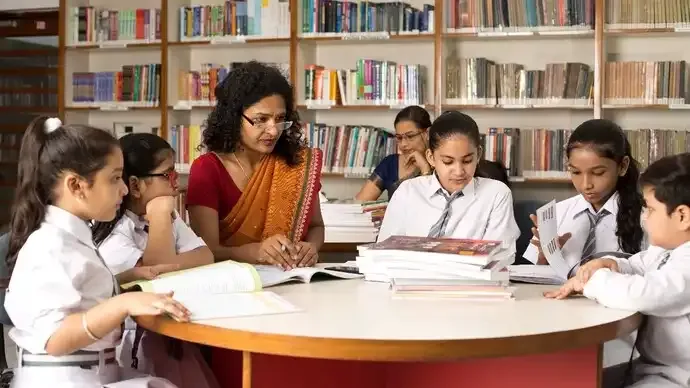
The Kerala government has approved a forward-looking draft proposal aimed at transforming the school learning environment by reducing the weight of school bags and eliminating the traditional concept of “backbenchers” in classrooms. The initiative, cleared by the State Curriculum Steering Committee, is expected to be implemented from the next academic year after public consultation.
The proposed changes are designed to address long-standing concerns around student well-being, both physical and psychological, while also promoting equality and inclusiveness in classrooms. Overloaded school bags have been a persistent issue across Indian schools, often linked to health problems such as back pain, posture issues and fatigue among children. Similarly, the rigid front-row and back-row seating system has frequently been criticised for reinforcing labels, limiting participation, and creating invisible hierarchies among students.
Speaking on the approval of the draft, General Education Minister V Sivankutty said that the proposal focuses on ensuring student happiness and dignity. He explained that the goal is to create classrooms where every child feels equally valued, without physical or symbolic barriers that may affect confidence or learning outcomes.
Focus on Student Well-Being and Classroom Equality
Under the proposal, school curricula and teaching practices will be reviewed to minimise the need for students to carry multiple heavy textbooks daily. The emphasis will shift towards smarter academic planning, optimised timetables, and possibly greater use of shared classroom resources, reducing the physical burden on students.
Equally significant is the plan to redesign classroom seating. By doing away with the idea of “backbenchers,” the government hopes to encourage active participation from all students and foster a more democratic classroom environment. The initiative aims to ensure that no child is marginalised due to seating positions, learning pace, or perceived academic ability.
Education experts involved in the process believe that inclusive seating arrangements can improve student engagement, boost confidence, and promote healthier teacher-student interactions.
Role of SCERT and Expert Review
The draft report was prepared following an in-depth study by the State Council of Educational Research and Training (SCERT). The recommendations were examined in consultation with academic experts to ensure feasibility and alignment with modern educational practices.
The committee evaluated both national and global research on student ergonomics, classroom psychology, and inclusive education before finalising the draft for approval.
Public Feedback Before Final Implementation
Before the policy is rolled out, the Kerala government has invited public feedback to ensure broad participation in the reform process. The draft report will be made available on the SCERT website, allowing teachers, parents, students, and education stakeholders to submit suggestions and concerns until January 20.
Officials have stated that the feedback received will play a crucial role in shaping the final version of the policy. The Department of General Education aims to incorporate practical suggestions to ensure smooth implementation across schools.
A Step Towards Child-Centric Education
If implemented as planned, the initiative could significantly change how classrooms function in Kerala, placing student comfort, equality and mental well-being at the centre of education policy. The move aligns with broader efforts to modernise schooling and make learning spaces more supportive and inclusive.
Kerala’s approach may also serve as a model for other states looking to rethink traditional classroom structures and prioritise holistic student development.
Prev Article
JEE Main 2026 Exam Schedule Revised: New Dates, Shifts and Admit Card Details Announced
Next Article
SNAP 2025 Results Declared: Symbiosis Opens Scorecards, MBA Admission Process Begins