
March Rain and Snowfall Impact on Farmers: Benefit or Crop Damage?

March Rain and Snowfall Impact on Farmers: Benefit or Crop Damage?

Unseasonal weather across north India has raised serious concerns among farmers as rain, snowfall, hailstorms, and thunderstorms hit during a crucial harvest period. These changes are driven by repeated Western Disturbances, which are influencing weather patterns across the Himalayan region and nearby plains.

March is typically the time when farmers prepare to harvest rabi crops like wheat, mustard, gram, and potatoes. But this year, unpredictable weather has disrupted that cycle.


What Is Causing This Weather Shift?

Western disturbances are moisture-laden weather systems originating from the Mediterranean region. When they reach India, they bring:

  • Rain in plains

  • Snowfall in Himalayan regions

  • Thunderstorms and hail

This year, multiple such systems have arrived back-to-back, intensifying their impact.


Impact on Farmers: Mostly Negative

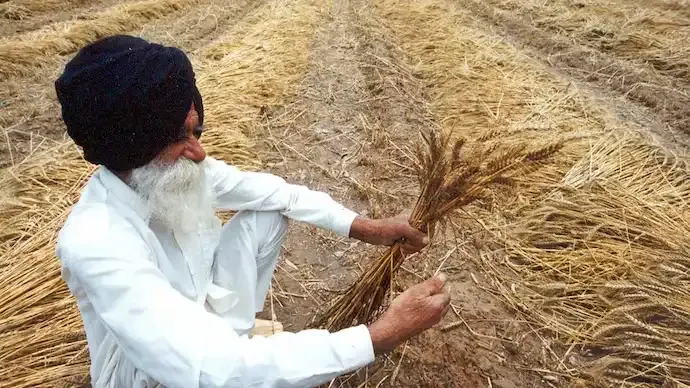
For most farmers, this unseasonal weather has caused more harm than benefit, especially because crops are at the harvesting stage.


Major Problems Faced:

  • Crop damage due to hailstorms

  • Waterlogging in fields

  • Grain quality deterioration

  • Delayed harvesting operations

Standing crops like wheat are particularly vulnerable. Excess moisture can lead to lodging (crops bending or falling), making harvesting difficult.


Which Crops Are Affected the Most?

The impact is being felt across key rabi crops:

  • Wheat: Risk of reduced yield and poor grain quality

  • Mustard: Flower and pod damage due to rain

  • Gram (chana): Sensitive to excess moisture

  • Potatoes: Storage and harvesting issues

Farmers who were just about to harvest are facing the highest losses.


Are There Any Benefits?

While the damage is significant, there are a few limited benefits:

  • Helps late-sown crops that need moisture

  • Improves soil moisture levels in some areas

  • Can reduce irrigation needs temporarily

However, these benefits are minor compared to the losses during peak harvest time.


Regional Impact: Hills vs Plains

  • Himalayan states (like Himachal Pradesh, Uttarakhand): Snowfall impacts horticulture and transport

  • Punjab, Haryana, Uttar Pradesh: Heavy rain and hail damage wheat and mustard crops

The plains, where large-scale farming happens, are facing the most economic impact.


Economic Concerns for Farmers

Crop damage at harvest time directly affects farmers’ income.

Possible consequences include:

  • Reduced market prices due to poor quality

  • Increased post-harvest losses

  • Financial stress and debt pressure

This is especially critical for small and marginal farmers.


What Can Be Done?

Experts suggest a few measures:

  • Quick harvesting during dry windows

  • Use of crop insurance schemes

  • Improved weather forecasting awareness

  • Adoption of climate-resilient farming practices

Government support and compensation may also play a key role in recovery.


A Sign of Changing Climate Patterns?

Frequent unseasonal weather events are raising concerns about climate variability in India.

Such disruptions highlight the need for:

  • Better preparedness

  • Adaptive farming techniques

  • Long-term agricultural planning


Final Take

While rainfall is usually beneficial for agriculture, timing is everything. In March, when crops are ready for harvest, unseasonal rain and snowfall can turn from a blessing into a major challenge.

For now, farmers across north India are hoping for stable weather to minimise further losses.

Prev Article
Western Disturbance Triggers Sudden Snowfall Across Western Himalayas, Travel Disrupted

Related to this topic: