

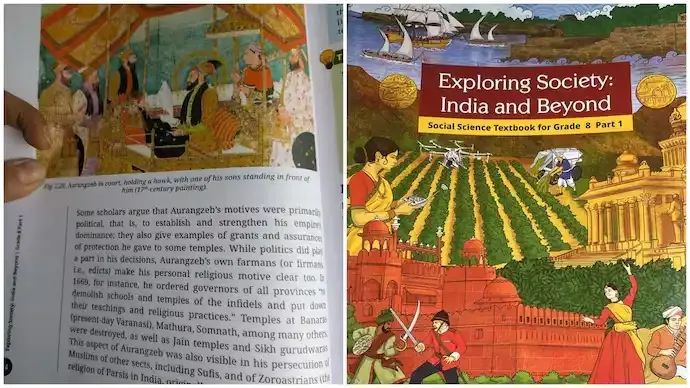

RSS leader Sunil Ambekar has said that recent updates in NCERT history textbooks include the removal of honorifics such as “the great” for Mughal emperor Akbar and Mysore ruler Tipu Sultan. He described the changes as a positive step towards presenting history in a clearer and more contextual manner for students.
Speaking at the Orange City Literature Festival, organised by the SGR Knowledge Foundation, Ambekar said the intent behind the revisions is not to erase individuals from India’s historical narrative but to ensure students learn about their actions, impact, and controversial legacies without bias.
Changes Implemented Across Multiple Classes
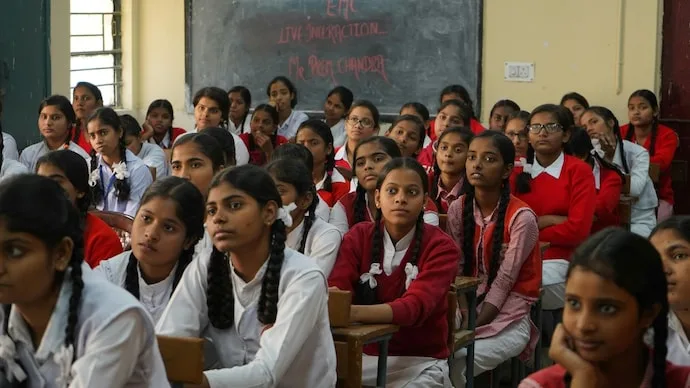
Ambekar, who serves as the Akhil Bharatiya Prachar Pramukh of the RSS, said NCERT has revised textbooks for 11 out of 15 classes. He called it a “very good initiative” and confirmed that new editions for Classes 9, 10, and 12 will be introduced next year.

He noted that several descriptions have been rewritten to remove glorifying titles, ensuring that figures like Akbar and Tipu Sultan are presented without epithets such as “the Great”. According to him, the updated approach encourages students to understand the full historical context rather than selectively glorifying certain rulers.
He acknowledged that some may disagree with highlighting particular aspects of Mughal-era history, but insisted that history must be taught transparently: “This cannot happen, and it should be told.”
Focus on India’s Knowledge Traditions and Nalanda’s Legacy
Ambekar also emphasized the importance of India’s ancient learning systems. Citing Nalanda University, he said the institution offered 76 skill-based courses ranging from agriculture and urban planning to political governance, mechanisation, make-up artistry and even secret agent training. He argued that such examples demonstrate India’s historic strength in practical education.
Culture, Development, and the Direction of Society
Reflecting on India’s socio-cultural evolution, Ambekar said that while the country is progressing rapidly, societies around the world have often lost cultural identity in the pursuit of development. He stressed the need for India to remain mindful of its values, personal relationships, and cultural roots.
Speaking about the Ram temple movement, he said the campaign was not only about constructing the temple but about helping people reconnect with cultural awareness and their relationship with Lord Ram.
Appreciation for India’s Youth
Ambekar praised young Indians, calling them competent, confident, and patriotic. He said the new generation views patriotism as “a cool thing” and believes they are fully capable of shaping India’s future with confidence and clarity.






Conversation
Be kind and stay on topic. Comments are moderated; abuse, spam and personal attacks are removed. Report a problem